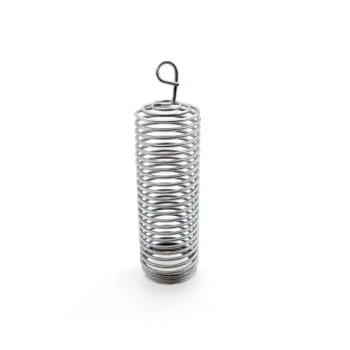
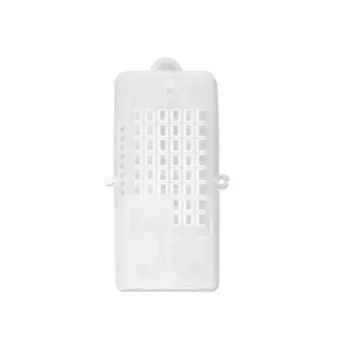
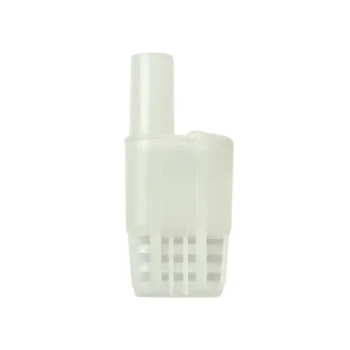
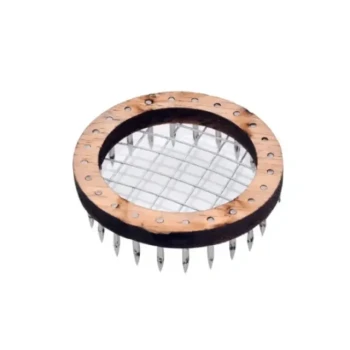
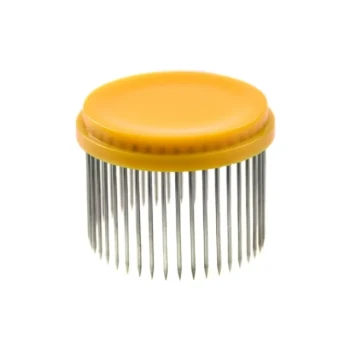
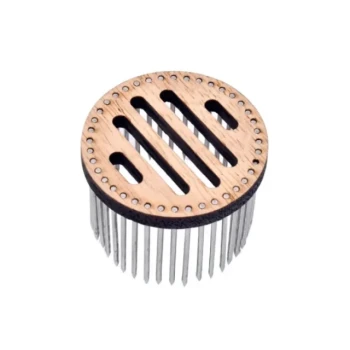
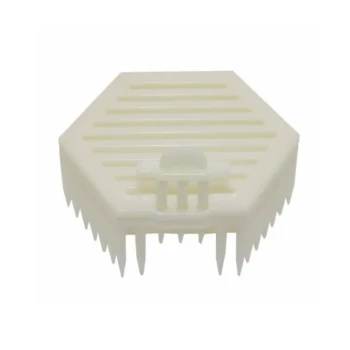
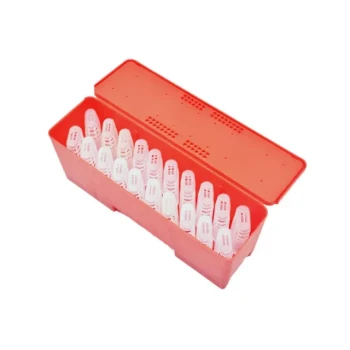
Queen cages and clips are essential safety devices used to physically isolate a queen bee while keeping her within the hive environment. They serve three primary functions: safely transporting queens, introducing a new queen to a foreign colony, and temporarily restraining a queen during hive inspections to prevent injury or loss.
Core Takeaway: These tools act as a "permeable barrier," preventing lethal physical contact between the queen and aggressive worker bees (or rival queens) while allowing the essential transfer of pheromones required for the colony to accept her.
The Mechanics of Queen Introduction and Transport
Facilitating Gradual Acceptance
When a new queen is introduced to a colony, the resident worker bees often view her as an intruder and may attempt to kill her.
A queen cage protects her from direct attacks while allowing her pheromones to circulate through the mesh.
This isolation period gives the workers time to acclimatize to her scent, shifting their behavior from aggression to acceptance.
Safe Transportation
Breeders use these cages to ship queens to beekeepers.
The cage confines the queen and a few attendant bees, ensuring they remain secure during transit while still having access to food (usually sugar candy).
Queen Banking
In advanced apiary management, "banking" involves storing multiple mated queens in a single strong reservoir colony.
Individual cages prevent the queens from fighting to the death—a natural instinct when multiple queens meet.
The mesh structure allows the colony's nurse bees to feed and groom the isolated queens through the bars, preserving them for future use.
Handling and Identification Tools
Protection During Inspections
A "queen clip" is a specific variation often used during routine hive maintenance.
It is a spring-loaded, clamshell-like device designed to catch and hold the queen safely while the beekeeper manipulates frames.
This prevents the queen from being accidentally crushed or falling off a frame into the grass during complex inspections.
Assisting with Marking
Specialized cages, often called "plunger cages" or marking tubes, are used to immobilize the queen gently.
This keeps her still so the beekeeper can apply a dot of paint to her thorax.
This marking helps determine the year she hatched and makes her easier to spot during future inspections.
Common Pitfalls to Avoid
Premature Release
The most common error is releasing a new queen from her cage before the colony has accepted her pheromones.
If the workers are still aggressive (clinging tightly to the cage mesh), releasing the queen will likely result in her death ("balling").
Physical Injury
Improper use of queen clips can damage the queen's delicate legs or wings.
Great care must be taken to ensure no appendages are caught in the clip's closing mechanism or mesh.
Making the Right Choice for Your Goal
To select the correct tool, you must define the specific task at hand:
- If your primary focus is introducing a new queen: Use a standard shipping cage with a candy plug that allows workers to release her slowly over several days.
- If your primary focus is routine inspection: Keep a spring-loaded catch clip in your pocket to quickly isolate the queen if you need to perform heavy manipulation of the brood box.
- If your primary focus is tracking queen age: Use a marking cage (plunger style) to safely immobilize her for painting without direct handling.
Effective use of these tools turns a potentially fatal encounter for the queen into a managed, safe biological transition.
Summary Table:
| Tool Type | Primary Function | Key Benefit |
|---|---|---|
| Shipping Cage | Transport & Introduction | Allows pheromone circulation while preventing worker attacks. |
| Queen Clip | Temporary Restraint | Prevents queen loss or crushing during hive maintenance. |
| Plunger/Marking Cage | Immobilization | Provides a safe way to mark the queen's thorax without injury. |
| Queen Banking | Multiple Storage | Enables storage of several queens in one colony without fighting. |
Maximize Your Apiary Productivity with HONESTBEE
Protecting your most valuable asset—the queen—is critical to the success of any commercial operation. At HONESTBEE, we specialize in supporting commercial apiaries and distributors with a robust selection of high-quality beekeeping tools and equipment.
Whether you need precision queen cages, marking tools, or advanced honey-filling machinery, our wholesale portfolio is designed to meet the rigorous demands of large-scale beekeeping. From essential consumables to specialized hive-making hardware, we provide the durability and performance your business depends on.
Ready to upgrade your equipment? Contact us today to discuss our wholesale offerings and discover how HONESTBEE can streamline your operations and boost your bottom line.
Related Products
- Durable Galvanized Steel Spring Queen Bee Cage
- Classic Wooden and Mesh California Queen Cage
- Professional Queen Bee Introduction and Transport Cage
- Professional Queen Cage with Sliding Gate and Feeder Plug
- Professional Multi-Compartment Queen Cage with Sliding Lid
People Also Ask
- Why are specialized queen bee cages used for the banking of mated queen bees? Maximize Commercial Apiary Storage Efficiency
- What is the mechanism of action for using temporary queen bee cages? Master Successful Queen Introduction
- What is the step-by-step process for installing a queen bee's cage onto a frame? Ensure Hive Acceptance Safely
- What is the optimal placement for a queen bee cage? Essential Strategies for Successful Re-queening
- What are the advantages and disadvantages of introducing a queen bee by embedding the cage? Boost Your Queen Acceptance