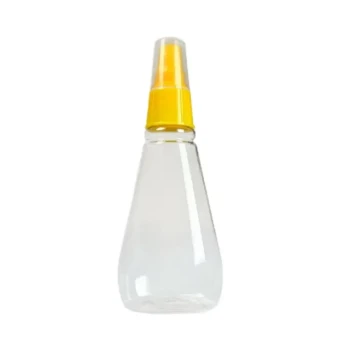
Honey pouches are a high-utility packaging solution designed to bridge the gap between industrial bulk containers and consumer-grade jars. Unlike single-serve sachets, these flexible bags hold substantial quantities of honey and feature resealable spouts for controlled dispensing. Constructed from composite materials like plastic and aluminum foil, they are engineered to optimize logistics and user convenience.
The core value of the honey pouch lies in its ratio of durability to weight. While glass prioritizes premium aesthetics, pouches prioritize supply chain efficiency, offering a shatterproof, lightweight alternative that significantly lowers shipping costs and improves ease of use.
The Functional Architecture of Honey Pouches
Precision Dispensing
The defining feature of the modern honey pouch is the resealable spout. Unlike wide-mouth jars that require utensils, spouted pouches allow for direct, spill-free pouring.
This design eliminates the mess typically associated with transferring honey. It renders the package highly suitable for both commercial kitchens and home use where cleanliness and speed are priorities.
Flexible Material Composition
Honey pouches are constructed from multi-layered laminates, typically combining food-grade plastic with aluminum foil. This composite structure provides necessary strength while remaining flexible.
The inclusion of aluminum foil acts as a barrier to light and oxygen, which helps maintain the honey's integrity. The flexible nature of the bag also allows users to squeeze out nearly every drop of product, reducing waste compared to rigid containers.
Strategic Advantages for Distribution
Reduction of Shipping Costs
Shipping weight is a critical factor in packaging economics. Pouches are significantly lighter than glass jars or rigid plastic containers of equivalent volume.
By reducing the dead weight of the packaging, businesses can lower freight costs. This makes pouches an ideal format for e-commerce businesses where shipping fees directly impact profit margins.
Durability and Storage
Rigid containers, particularly glass, suffer from breakage during transit and handling. Pouches are inherently shatterproof, virtually eliminating inventory loss due to drops or rough handling.
For the end-user, the pouch's malleability offers superior storage options. They can be squeezed into tight pantry spaces or stored flat, maximizing shelf efficiency in a way rigid shapes cannot.
Understanding the Trade-offs
Shelf Life and Crystallization
While pouches are convenient, they may not offer the absolute inertness of glass. Plastic-based materials can be slightly porous, potentially leading to the gradual evaporation of water content.
This evaporation can accelerate crystallization, turning liquid honey semi-solid faster than it would in a sealed glass jar. Furthermore, while rare in high-quality pouches, there is a theoretical risk of chemical leaching compared to completely inert glass.
Brand Perception
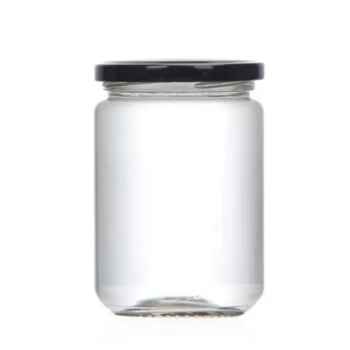
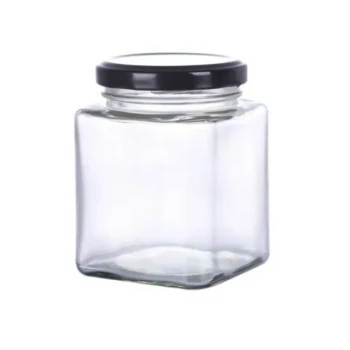
Packaging dictates value perception. Glass is traditionally associated with premium, artisanal products and allows consumers to visually inspect the honey's clarity and color.
Pouches, by contrast, are viewed as utilitarian. They are excellent for refills or bulk use, but they may not command the same high-end price point on a retail shelf as a heavy, custom-molded glass jar.
Making the Right Choice for Your Goal
To select the correct packaging, you must weigh logistical efficiency against brand positioning.
- If your primary focus is E-commerce Efficiency: Choose honey pouches to minimize shipping weights and eliminate breakage claims during transit.
- If your primary focus is Premium Retail: Choose glass jars to convey high value, allow visual inspection, and ensure long-term preservation of flavor.
- If your primary focus is Commercial Utility: Choose large-format pouches to provide chefs and high-volume users with a shatterproof, easy-to-pour dispensing method.
Ultimately, the honey pouch is the superior choice for brands seeking to modernize their supply chain and offer consumers a highly functional, waste-free experience.
Summary Table:
| Feature | Advantage | Ideal Use Case |
|---|---|---|
| Resealable Spout | Precision dispensing & zero mess | Commercial kitchens & home use |
| Multi-layer Laminate | Oxygen/light barrier & durability | E-commerce shipping & long-haul logistics |
| Lightweight Design | Dramatically lower freight costs | High-volume distribution & bulk refills |
| Shatterproof Material | Zero breakage & inventory loss | Online retail & rugged transport |
| Flexible Form | 99% product evacuation (less waste) | Value-conscious consumers |
Scale Your Honey Business with HONESTBEE
Are you looking to modernize your honey distribution? HONESTBEE provides commercial apiaries and global distributors with a complete spectrum of beekeeping tools, machinery, and innovative packaging solutions. From high-efficiency honey-filling machines designed for spouted pouches to comprehensive wholesale consumables, we empower your brand to reduce shipping costs and maximize operational efficiency.
Ready to optimize your supply chain? Contact our expert team today to explore our wholesale equipment and specialized hardware tailored to your apiary’s needs.
Related Products
- Food Grade Plastic Honey Bucket Pail for Beekeeping
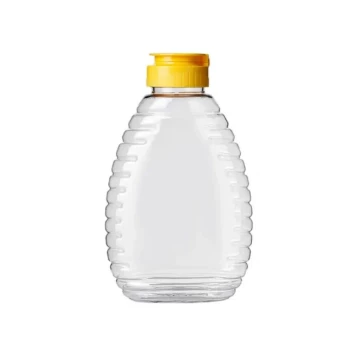
- Squeezable No-Drip Beehive-Shaped Honey Jars with Flip-Top Cap
- Classic Drum Shaped Glass Honey Jar with Airtight Lid
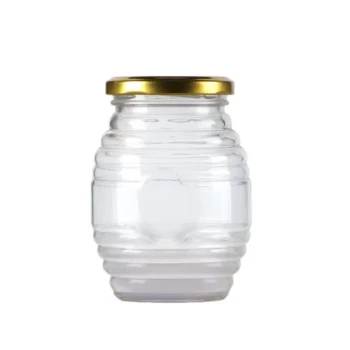
- Classic Glass Honey Jar with Metal Lug Cap for Beehive Storage
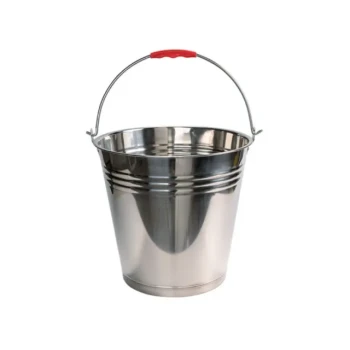
- Premium Stainless Steel Honey Tank Bucket Pail with Reinforced Handle and Polished Finish
People Also Ask
- What key operational precautions should be taken when using honey buckets and extractors fitted with bottom drain taps?
- What functions do food-grade honey buckets perform? Safeguard Your Harvest and Optimize Apiary Logistics
- Why are food-grade plastic buckets preferred for honey? Protect Quality with Modern Honey Collection Tools
- What is the significance of food-grade plastic honey collection buckets? Boost Quality in Forest Honey Logistics
- What is a honey pail? The Essential Container for Protecting Your Honey's Value