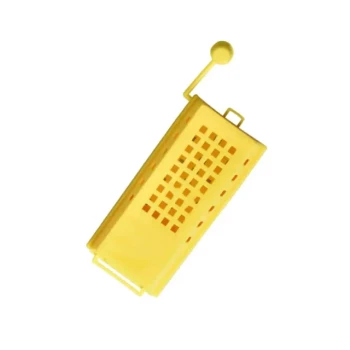
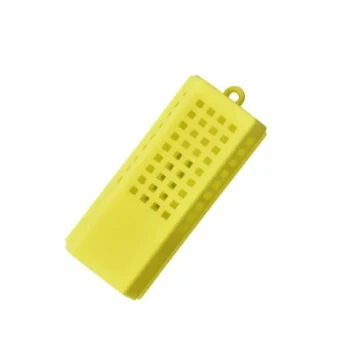
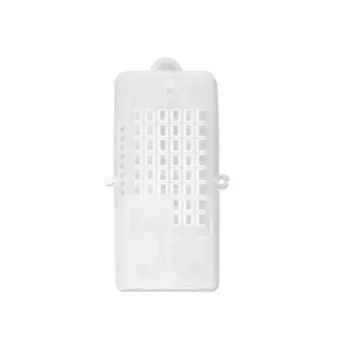
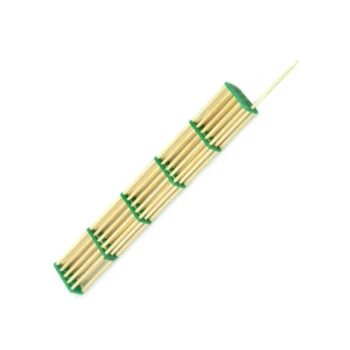
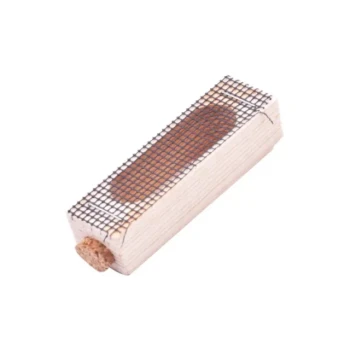
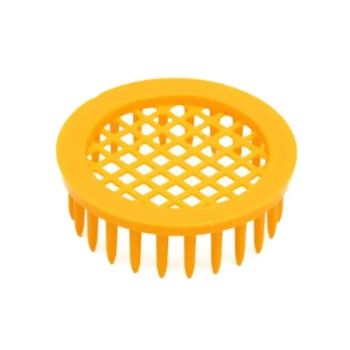
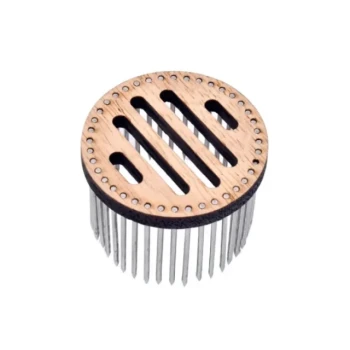
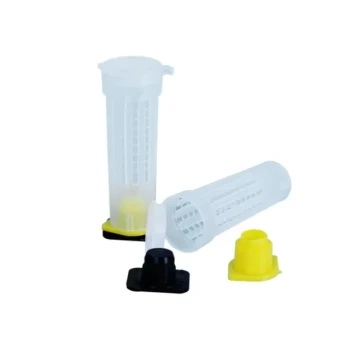
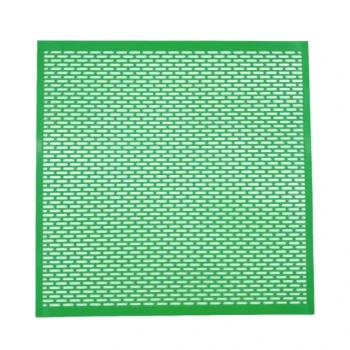
The removable drawer design in advanced Queen Monitoring Cages (QMCs) offers a critical functional advantage by decoupling the management of the bee population from the main cage structure. This mechanism simplifies the logistics of introducing and removing worker bees, significantly reducing handling time. Furthermore, it supports larger colony subsets of approximately 300 workers while facilitating the extraction of samples for physiological or biochemical analysis.
The removable drawer design transforms the QMC from a static container into a dynamic tool, solving the logistical bottlenecks of multi-factor studies by allowing high-volume sampling and population maintenance with minimal experimental disruption.
Streamlining Experimental Workflows
Simplified Introduction and Removal
In traditional setups, adding or removing bees often requires dismantling components, which risks escapes or injury.
The removable drawer acts as a modular transfer unit. This allows researchers to introduce or clear worker bees quickly and safely, preserving the integrity of the remaining experimental setup.
Support for Larger Populations
Standard cages often struggle to maintain the density required for robust data.
The structural design associated with the removable drawer specifically accommodates larger populations of approximately 300 worker bees. This increased capacity is essential for studies requiring a more representative social environment or higher statistical power.
Efficient Sample Extraction
For experiments requiring frequent data collection, access is everything.
The drawer mechanism enables the easy extraction of worker bee samples. This is particularly valuable for physiological or biochemical analyses, where minimizing stress on the bees during capture is crucial for data accuracy.
Operational Impact on Research
Efficiency in Multi-Factor Studies
Complex experiments often involve tracking multiple variables simultaneously.
The operational efficiency gained by the drawer design significantly aids in multi-factor studies. By reducing the time and effort required for routine maintenance and sampling, researchers can scale their experiments without becoming overwhelmed by logistics.
Understanding the Trade-offs
Mechanical Complexity and Maintenance
While the drawer adds functionality, it also introduces moving parts to the cage design.
Users must ensure the mechanism remains clean of propolis or wax buildup, which could jam the drawer. Regular cleaning protocols are necessary to maintain the smooth operation that makes the design efficient in the first place.
Potential for Gap Exploitation
Any removable component relies on precise manufacturing tolerances.
If the drawer does not seat perfectly, it creates a risk of unintended gaps. Researchers should verify the fit of the drawer prior to use to prevent worker bees from escaping or getting crushed during insertion.
Making the Right Choice for Your Goal
To determine if a QMC with a removable drawer is the right tool for your specific research needs, consider your experimental priorities:
- If your primary focus is frequent physiological sampling: This design is essential, as it allows you to extract specific worker bees for biochemical analysis without disrupting the entire cage.
- If your primary focus is population density: The ability to support approximately 300 worker bees makes this design superior for studies requiring larger, more natural social clusters.
By prioritizing accessibility and capacity, the removable drawer design allows you to focus less on the mechanics of bee handling and more on the integrity of your data.
Summary Table:
| Feature | Functional Advantage | Research Impact |
|---|---|---|
| Modular Transfer Unit | Simplified bee introduction & removal | Reduces handling time & minimizes escape risk |
| High Capacity Design | Supports ~300 worker bees | Enhances statistical power & social density |
| Extraction Mechanism | Easy access for physiological samples | Minimizes bee stress during biochemical analysis |
| Decoupled Structure | Maintenance without cage dismantling | Increases efficiency in multi-factor studies |
Elevate Your Apiary Research and Operations with HONESTBEE
Precision is paramount in commercial beekeeping and research. HONESTBEE specializes in supporting commercial apiaries and global distributors with a premium selection of beekeeping tools, advanced machinery, and essential consumables. Whether you are scaling up with our specialized hive-making and honey-filling machines or outfitting your team with high-performance Queen Monitoring Cages and hardware, we provide the industrial-grade solutions you need to succeed.
Ready to optimize your workflow and scale your productivity?
Contact HONESTBEE Today to explore our wholesale offerings and discover how our comprehensive equipment portfolio can drive value for your business.
References
- Julia D. Fine, Gene E. Robinson. Quantifying the effects of pollen nutrition on honey bee queen egg laying with a new laboratory system. DOI: 10.1371/journal.pone.0203444
This article is also based on technical information from HonestBee Knowledge Base .
Related Products
- Professional Queen Cage with Sliding Gate and Feeder Plug
- Professional Multi-Compartment Queen Cage with Sliding Lid
- Professional Multi-Functional Queen Bee Cage
- Professional Bamboo Queen Isolation Cage
- Professional Queen Bee Introduction and Transport Cage
People Also Ask
- Why are specialized queen bee cages used for the banking of mated queen bees? Maximize Commercial Apiary Storage Efficiency
- What is the mechanism of action for using temporary queen bee cages? Master Successful Queen Introduction
- How is a queen bee released from a queen cage? Ensure Safe Colony Integration & Hive Success
- What is the step-by-step process for installing a queen bee's cage onto a frame? Ensure Hive Acceptance Safely
- What technical precaution must be taken regarding the mesh or grill side of a queen bee cage? Ensure Queen Survival