Using disposable latex gloves over standard leather beekeeping gloves provides a dual-layer system that enhances both experimental integrity and data collection. While the inner leather layer ensures the wearer remains protected from stings, the outer latex layer transforms the gear into a scientific tool by preventing pheromone cross-contamination and creating a high-contrast surface for counting stings.
By isolating chemical variables and improving visual contrast, this layering technique converts standard protective equipment into a precision instrument for measuring colony defensive intensity.
Enhancing Data Precision
Visualizing Defensive Intensity
Standard leather gloves are often dark, textured, or worn, making it difficult to spot individual bee stings. This obscures critical data regarding how aggressively a colony is reacting.
Light-colored latex gloves provide a smooth, high-contrast background. This makes deposited stings highly visible to the observer.
Consequently, researchers can perform an accurate quantitative assessment of defensive intensity by counting the exact number of stings embedded in the outer layer.
Ensuring Operator Safety
While data collection is vital, physical protection cannot be compromised during aggression testing.
Latex alone offers virtually no protection against the penetration of a honeybee sting. The inner leather glove remains the primary barrier, providing the necessary physical shield to keep the operator safe while the outer layer acts as the data collection surface.
Maintaining Experimental Controls
Eliminating Pheromone Carryover
When bees sting or interact aggressively with gloves, they deposit alarm pheromones.
If an operator moves from one colony to another wearing the same gloves, these residual pheromones can trigger a pre-emptive defensive response in the second colony. This artificially inflates aggression scores and skews the data.
The "Reset" Protocol
The primary functional advantage of the outer latex layer is its disposability.
By replacing the latex gloves between every colony inspection, the researcher effectively removes the chemical history of the previous interaction. This ensures that each colony is responding only to the current stimulus, not the chemical signals of the previous hive.
Operational Considerations and Trade-offs
Impact on Dexterity
Layering gloves inevitably increases bulk.
Wearing latex over thick leather may reduce tactile sensitivity and fine motor control. This can make handling frames or delicate equipment more challenging than using a single layer.
Thermal Discomfort
Latex is non-breathable. When worn over leather, it traps heat and moisture against the skin.
During extended testing periods, this can lead to hand fatigue or discomfort, potentially affecting the operator's speed or focus.
Making the Right Choice for Your Goal
This dual-glove protocol is specifically designed for scenarios where data integrity is as important as physical safety.
- If your primary focus is Quantitative Accuracy: Utilize the light-colored latex layer to ensure every sting is visible for exact counting.
- If your primary focus is Comparative Reliability: Change the outer latex layer strictly between every colony to eliminate pheromone bias in your results.
This method allows you to quantify defensive behavior with scientific rigor without sacrificing the physical security provided by traditional gear.
Summary Table:
| Feature | Single Leather Gloves | Dual-Layer (Leather + Latex) |
|---|---|---|
| Sting Protection | High | High (Dual Barrier) |
| Data Precision | Low (Stings hard to see) | High (High-contrast surface) |
| Pheromone Control | Poor (Absorbed by leather) | Excellent (Disposable outer layer) |
| Cross-Contamination | High Risk | Zero (With Reset Protocol) |
| Tactile Sensitivity | Moderate | Lower (Increased Bulk) |
Elevate Your Research with Professional Beekeeping Gear
Maintaining scientific rigor in aggression testing requires the right tools. At HONESTBEE, we empower commercial apiaries and distributors by supplying a full spectrum of high-quality beekeeping equipment, from specialized protective gear to advanced honey-processing machinery.
Our comprehensive wholesale offering ensures your operations are efficient, safe, and data-driven. Whether you need industry-standard consumables or specialized hardware for large-scale production, we deliver the quality you need to succeed.
Ready to scale your apiary operations? Contact us today to discuss your wholesale needs!
References
- Daniela Zárate, James C. Nieh. Seasonal variation in defense behavior in European and scutellata-hybrid honey bees (Apis mellifera) in Southern California. DOI: 10.1038/s41598-023-38153-2
This article is also based on technical information from HonestBee Knowledge Base .
Related Products
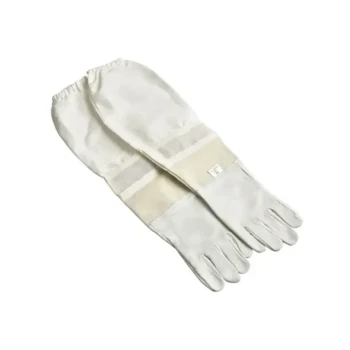
- Beekeeping Gloves Goatskin Leather with Long Cotton Sleeve for Beekeepers
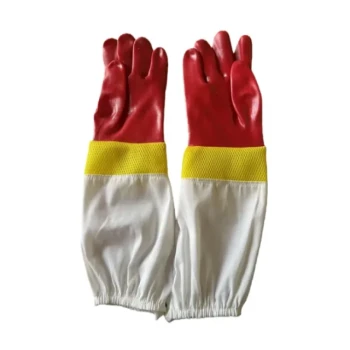
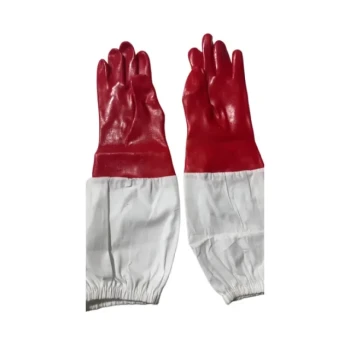
- Heavy Duty Red Rubber Beekeeping Gloves with Vented Mesh Cotton Sleeves
- Heavy Duty Red Rubber Beekeeping Gloves with Extended Pure Cotton Sleeves for Beekeepers
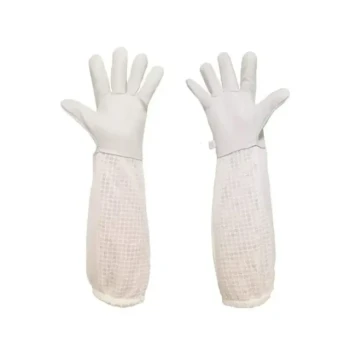
- Goatskin Leather Beekeeper Gloves with Vent Long Sleeve for Beekeeping Honey Bee Sting Proof Protection
- Premium Ventilated Goatskin Beekeeping Gloves with Full 3-Layer Mesh Sleeve
People Also Ask
- What are the characteristics of the best gloves for beekeeping? Choose Protection & Dexterity
- What are the primary purposes of using beekeeping gloves? Protect Your Hands and Ensure Apiary Hygiene
- What types of gloves are available for beekeeping? Choose the Right Protection for Your Hive
- Why is it important for beekeepers to wear gloves? Essential Safety and Confidence for Hive Management
- Why do some experienced beekeepers opt not to wear gloves? Discover the Benefits of Tactile Precision