To wash and rinse leather beekeeping gloves correctly, begin by removing loose debris with a soft brush, then gently clean the gloves in a solution of warm water and mild soap or specialized leather cleaner. You must avoid aggressive scrubbing; instead, work the material gently to lift dirt, then rinse thoroughly under running water until every trace of soap is removed to prevent the leather from cracking.
The goal of cleaning leather gloves is not just sanitation, but preservation. Leaving soap residue or exposing wet leather to high heat will strip natural oils, turning essential protective gear into brittle, unusable equipment.
The Washing Procedure
Pre-Cleaning Preparation
Before introducing water, use a soft brush to remove loose dirt, bee stingers, or large debris. This prevents grinding particulate matter deeper into the leather grain during the wet phase.
Creating the Cleaning Solution
Prepare a basin with warm water and a mild soap or a specialized leather cleaner. Warm water is essential as it helps dissolve honey and wax residues more effectively than cold water.
The Gentle Washing Technique
Submerge the gloves in the solution and work the leather gently. A practical technique is to wear the gloves while washing them; this keeps the leather taut and allows you to easily access stained areas.
Targeting Creases and Seams
For stubborn build-up, particularly propolis or wax in the seams, use a soft-bristled brush or a toothbrush. You may use a small amount of white vinegar for tough propolis stains, but avoid harsh scrubbing that could damage the stitching or surface.
The Critical Rinse
Once the dirt is lifted, rinse the gloves under running water. Continue rinsing until the water runs completely clear, ensuring absolutely no soap residue remains, as dried soap is a primary cause of leather deterioration.
Drying and Conditioning
Removing Excess Moisture
Do not wring or twist the gloves, as this distorts the leather. Instead, pat them down firmly with a clean, dry towel to absorb as much water as possible.
Proper Air Drying
Lay the gloves flat to dry at room temperature, ideally in a shaded area. To help the gloves retain their shape and improve internal airflow, stuff the fingers and palms with crumpled newspaper.
Conditioning
Once the gloves are dry, the leather may feel stiff. Apply a leather conditioner to replenish the oils lost during washing, buffing it in with a clean cloth to keep the material supple.
Common Pitfalls to Avoid
The Dangers of Machine Washing
Never place leather beekeeping gloves in a washing machine. The mechanical agitation is too aggressive for the leather and can damage the protective gauntlets or mesh attachments.
Heat Damage
Avoid high-heat sources such as clothes dryers, radiators, or direct sunlight. Rapid drying forces moisture out of the animal skin too quickly, causing the protein bonds to break and the leather to become brittle and crack.
Harsh Chemical Detergents
Avoid strong laundry detergents or bleach. These chemicals strip the leather of its natural oils aggressively, reducing the lifespan of the gloves and potentially compromising their sting resistance.
Making the Right Choice for Your Goal
Maintenance depends on the severity of the soil and the type of leather.
- If your primary focus is routine maintenance: Use a damp cloth dipped in the soapy solution to wipe down the exterior without fully soaking the interior.
- If your primary focus is removing heavy propolis or wax: Wear the gloves during the wash to apply targeted pressure to sticky spots, and consider a specialized leather cleaner over standard soap.
- If your primary focus is longevity: Prioritize the rinsing and conditioning steps above all else, as these determine whether the leather stays soft or turns hard.
Treat your leather gloves as a second skin; gentle cleaning and proper hydration ensure they remain a safe barrier between you and the hive.
Summary Table:
| Step | Action | Key Benefit |
|---|---|---|
| Preparation | Brush away loose debris & stingers | Prevents scratching leather grain |
| Washing | Use warm water & mild soap while wearing | Maintains shape and targets stains |
| Rinsing | Rinse under running water until clear | Prevents soap-induced cracking |
| Drying | Pat with towel; air dry at room temp | Avoids heat damage and brittleness |
| Conditioning | Apply leather conditioner when dry | Restores oils and ensures flexibility |
Maximize Your Apiary Productivity with HONESTBEE
At HONESTBEE, we understand that high-quality protective gear is the backbone of any successful beekeeping operation. Whether you are managing a large-scale commercial apiary or operating as a regional distributor, our comprehensive wholesale solutions are designed to meet your specific needs.
We provide a full spectrum of premium beekeeping equipment, including:
- Durable Protective Gear: High-grade leather gloves and ventilated suits built for safety.
- Precision Machinery: Hive-making and honey-filling machines to scale your production.
- Essential Consumables: A wide array of industry-standard supplies for daily operations.
- Retail-Ready Merchandise: Honey-themed cultural products to diversify your inventory.
Ready to upgrade your equipment or stock your shelves with the best in the industry? Contact us today to discuss our wholesale pricing and how we can support your business growth.
Related Products
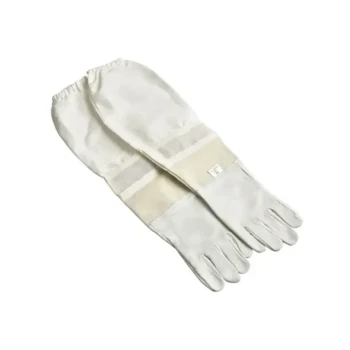
- Goatskin Leather Beekeeper Gloves with Vent Long Sleeve for Beekeeping Honey Bee Sting Proof Protection
- Beekeeping Gloves Goatskin Leather with Long Cotton Sleeve for Beekeepers
- Goat Skin Leather Bee Sting Proof Beekeeping Gloves with Canvas Sleeve
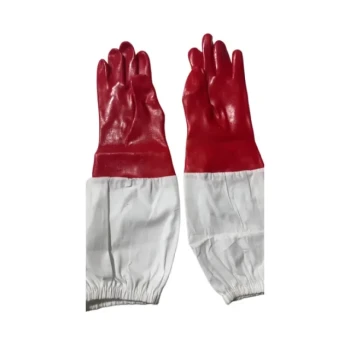
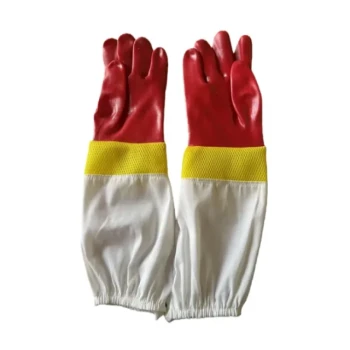
- Heavy Duty Red Rubber Beekeeping Gloves with Extended Pure Cotton Sleeves for Beekeepers
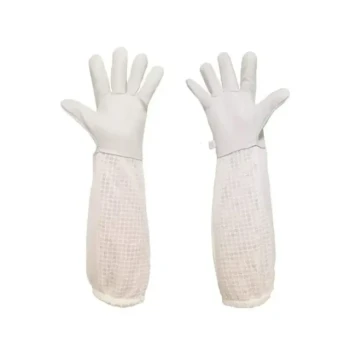
- Premium Ventilated Goatskin Beekeeping Gloves with Full 3-Layer Mesh Sleeve
People Also Ask
- What are the characteristics of goatskin beekeeping gloves? Enhance Dexterity and Protection in Your Apiary
- Why is it important to have gloves available even if not always worn? Essential Risk Management for Beekeepers
- What are the primary purposes of using beekeeping gloves? Protect Your Hands and Ensure Apiary Hygiene
- Why do some experienced beekeepers opt not to wear gloves? Discover the Benefits of Tactile Precision
- Why is it important for beekeepers to wear gloves? Essential Safety and Confidence for Hive Management