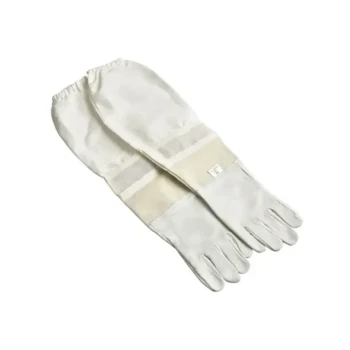
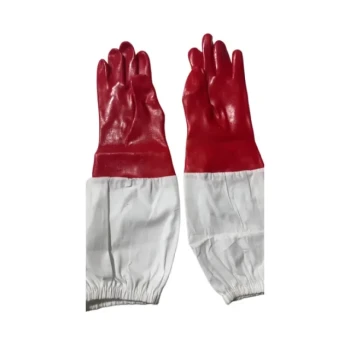
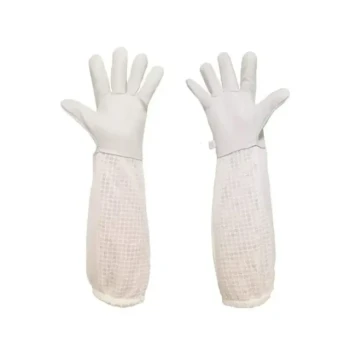
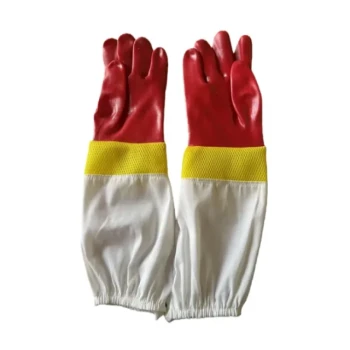
The correct method for washing leather beekeeping gloves is strictly a manual process. You must never place them in a washing machine or dryer, as this will irreparably damage the leather. Instead, wash them by hand using warm water, mild detergent, and a soft-bristled brush, followed by a thorough cold water rinse and air drying in the shade.
The Golden Rule of Leather Care Leather is a skin, not a fabric, and washing it strips away natural oils essential for flexibility. While gentle scrubbing removes wax and propolis, the process is not complete until you have restored those oils to prevent the gloves from becoming brittle and useless.
The Step-by-Step Cleaning Process
Preparation and Solutions
Fill a bucket with warm water and add a mild laundry detergent or specialized leather cleaner. Avoid harsh chemicals or bleach, which can chemically burn the leather.
For gloves with heavy propolis or wax buildup, you may add a small amount of white vinegar to the solution. Vinegar helps break down sticky bee products and offers mild antibacterial properties.
The Scrubbing Technique
Dip a soft-bristled brush (such as a toothbrush or soft scrub brush) into the soapy water. Gently scrub the gloves to lift dirt, honey, and wax.
Pro-Tip: Wear the gloves while washing them. This keeps the leather stretched to its natural shape and allows you to easily scrub the creases, seams, and between the fingers where propolis tends to accumulate.
Rinsing Properly
Once the debris is loosened, rinse the gloves thoroughly with cold water.
You must ensure every trace of soap is removed. Leftover soap residue is a primary cause of leather drying out and cracking later. Continue rinsing until the water runs completely clear.
Drying the Gloves
Gently squeeze the gloves to remove excess water; do not wring them out aggressively like a rag.
Hang the gloves to dry in a shaded area with good air circulation. Never use a tumble dryer, hair dryer, or place them in direct sunlight. Rapid heating causes the leather fibers to shrink and harden.
Understanding the Trade-offs
Cleanliness vs. Flexibility
Washing leather is a trade-off. While water and soap remove sanitary risks and sticky residue, they also strip the leather of its natural moisture.
If you wash your gloves frequently without proper aftercare, the leather will become stiff (boardy). This makes it difficult to feel what you are doing in the hive, potentially leading to crushed bees and increased stings.
Cowhide vs. Goat Leather
Be aware of your material. Goat leather tends to dry faster and absorbs conditioners more easily, making it more forgiving during the cleaning process. Cow leather is thicker and requires more patience during the drying phase to ensure it does not retain moisture that could lead to mold.
The Critical Finishing Step: Conditioning
Restoring Essential Oils
Because washing strips natural oils, you must replace them to keep the gloves functional. Once the gloves are fully dry, the leather will likely feel stiff.
Application
Apply a leather conditioner, such as mink oil, leather cream, or a specialized leather preservative. Rub the conditioner into the leather, paying attention to the seams and high-movement areas.
Allow the conditioner to penetrate the pores, then buff away any excess with a clean cloth. This step creates a barrier against future stains and keeps the gloves supple.
Making the Right Choice for Your Goal
To ensure your equipment lasts and remains safe to use, apply the following strategy based on your immediate needs:
- If your primary focus is longevity: Prioritize the conditioning step immediately after drying to prevent the leather from cracking and becoming unusable.
- If your primary focus is hygiene: Use a small amount of white vinegar during the scrub phase to help break down propolis and neutralize bacteria.
Treat your gloves with the same care you would treat your own skin, and they will continue to offer protection for seasons to come.
Summary Table:
| Step | Action | Key Tools/Materials |
|---|---|---|
| 1. Preparation | Mix cleaning solution | Warm water, mild detergent, or leather cleaner |
| 2. Scrubbing | Gentle manual cleaning | Soft-bristled brush, white vinegar (optional) |
| 3. Rinsing | Remove soap residue | Thorough cold water rinse |
| 4. Drying | Air dry in shade | Shaded area with air circulation (No heat!) |
| 5. Conditioning | Restore flexibility | Mink oil, leather cream, or preservative |
Elevate Your Beekeeping Operation with HONESTBEE
Proper gear maintenance is just the beginning of a successful apiary. At HONESTBEE, we specialize in empowering commercial apiaries and distributors with high-performance equipment that stands the test of time.
Why partner with us?
- Comprehensive Wholesale Catalog: From durable leather gloves to professional-grade protective suits.
- Precision Machinery: Scale your production with our advanced honey-filling and hive-making machines.
- End-to-End Supply: We provide the full spectrum of tools, machinery, and industry consumables to keep your business running smoothly.
Ready to upgrade your equipment or stock your shelves with premium beekeeping gear? Contact us today to explore our wholesale solutions and see how HONESTBEE can grow your business.
Related Products
- Goatskin Leather Beekeeper Gloves with Vent Long Sleeve for Beekeeping Honey Bee Sting Proof Protection
- Beekeeping Gloves Goatskin Leather with Long Cotton Sleeve for Beekeepers
- Goat Skin Leather Bee Sting Proof Beekeeping Gloves with Canvas Sleeve
- Heavy Duty Red Rubber Beekeeping Gloves with Extended Pure Cotton Sleeves for Beekeepers
- Premium Ventilated Goatskin Beekeeping Gloves with Full 3-Layer Mesh Sleeve
People Also Ask
- What are the characteristics of goatskin beekeeping gloves? Enhance Dexterity and Protection in Your Apiary
- Why is it important to have gloves available even if not always worn? Essential Risk Management for Beekeepers
- What are the primary purposes of using beekeeping gloves? Protect Your Hands and Ensure Apiary Hygiene
- Why do some experienced beekeepers opt not to wear gloves? Discover the Benefits of Tactile Precision
- Why is it important for beekeepers to wear gloves? Essential Safety and Confidence for Hive Management