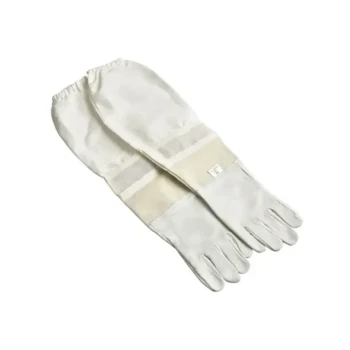
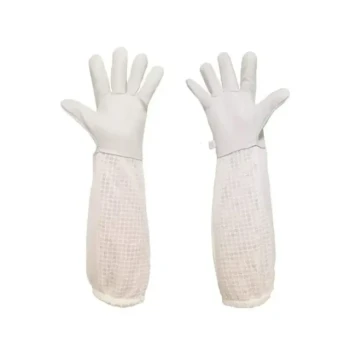
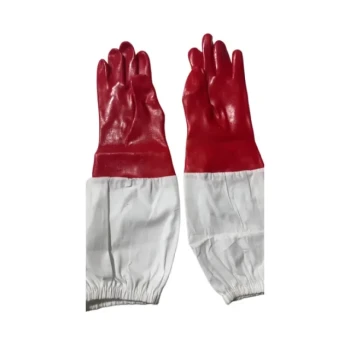
Cowhide leather beekeeping gloves are characterized by their substantial density and structural rigidity, making them the "heavy-duty" option for apiary protection. They are defined by their superior thickness, which provides a near-impenetrable barrier against stings and physical abrasions, though this comes at the cost of tactile sensitivity.
The core trade-off of cowhide is straightforward: it offers the highest level of sting protection and durability available, but significantly reduces dexterity, making fine motor tasks more challenging than with thinner leathers.
The Protective Advantage
Cowhide is favored when safety and longevity are the top priorities.
Maximum Sting Resistance
According to the primary technical data, cowhide is the thickest leather option available for beekeepers. This density offers the highest level of security against stings, making it difficult for even aggressive bees to penetrate the material.
Physical Durability
Beyond stings, the heavy nature of cowhide provides a robust shield against environmental hazards. It effectively protects hands from wood splinters, sharp hive tools, and rough foliage that might tear thinner materials.
Uniform Surface Texture
Cowhide typically presents a smoother, more uniform grain compared to alternatives like goatskin. This tight grain structure contributes to its durability and resistance to wear over time.
Understanding the Trade-offs
While cowhide excels at protection, it imposes specific limitations on usability that you must consider.
Reduced Dexterity
The significant thickness of cowhide inhibits fine motor control. You will likely find it more challenging to perform delicate tasks, such as handling queens or grafting larvae, while wearing these gloves.
Stiffness and Break-in Period
Unlike softer leathers that are pliable immediately, cowhide is naturally stiffer. It requires a dedicated break-in period to become flexible enough for comfortable daily use.
Breathability Issues
These gloves do not breathe well. In hot weather, the dense leather can trap heat, potentially causing discomfort during long inspections.
Maintenance Requirements
To maintain the protective qualities of cowhide without ruining the leather, specific care is required.
Cleaning Protocol
You must never soak these gloves. Instead, brush off loose dirt, then wipe them gently with a solution of mild soap and warm water.
Conditioning
Because cowhide can dry out and crack, you must apply a leather conditioner after cleaning and air-drying. This keeps the material supple and extends the life of the glove.
Making the Right Choice for Your Goal
If you are deciding whether cowhide is the right material for your specific beekeeping needs, consider these distinct use cases:
- If your primary focus is maximum safety: Choose cowhide if you react badly to stings, work with aggressive genetics, or prioritize absolute protection over ease of movement.
- If your primary focus is intricate hive management: You may want to avoid cowhide for tasks like queen marking or grafting, as the lack of tactile feedback will hinder your precision.
Ultimately, cowhide is the superior choice for heavy lifting and rough work, acting as a durable shield rather than a precision instrument.
Summary Table:
| Feature | Characteristic | Benefit for Beekeepers |
|---|---|---|
| Material Thickness | Highest density among leathers | Maximum sting resistance and protection |
| Physical Durability | Robust and rigid structure | Resists punctures from hive tools and splinters |
| Tactile Sensitivity | Reduced dexterity | Best for heavy lifting, not for queen grafting |
| Longevity | Requires break-in and conditioning | Extremely long-lasting with proper care |
| Ideal Use Case | Heavy-duty apiary work | Safety and protection against aggressive bees |
Elevate Your Apiary Operations with HONESTBEE
As a dedicated partner for commercial apiaries and distributors, HONESTBEE provides the professional-grade equipment necessary to scale your business safely and efficiently. We offer a comprehensive wholesale portfolio designed to meet every industry need:
- High-Performance Gear: From heavy-duty cowhide protection to specialized beekeeping tools.
- Advanced Machinery: Streamline your production with our hive-making and honey-filling machines.
- Essential Consumables: A full spectrum of industry supplies and honey-themed cultural merchandise.
Ready to equip your team with the best tools in the industry? Contact HONESTBEE today to explore our wholesale offerings and discover how our expertise can drive your success.
Related Products
- Beekeeping Gloves Goatskin Leather with Long Cotton Sleeve for Beekeepers
- Goatskin Leather Beekeeper Gloves with Vent Long Sleeve for Beekeeping Honey Bee Sting Proof Protection
- Goat Skin Leather Bee Sting Proof Beekeeping Gloves with Canvas Sleeve
- Beekeeper Cowboy Hat and Veil for Beekeeping
- Premium Cowboy Beekeeper Hat with Visibility Veil Outdoor Professional Beekeeping Protective Gear
People Also Ask
- What are the characteristics of the best gloves for beekeeping? Choose Protection & Dexterity
- What are the primary purposes of using beekeeping gloves? Protect Your Hands and Ensure Apiary Hygiene
- What types of gloves are available for beekeeping? Choose the Right Protection for Your Hive
- Why is it important for beekeepers to wear gloves? Essential Safety and Confidence for Hive Management
- Why do some experienced beekeepers opt not to wear gloves? Discover the Benefits of Tactile Precision