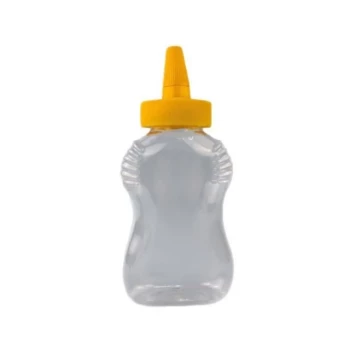
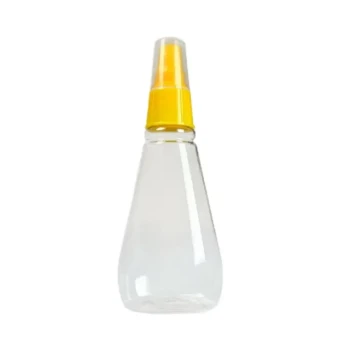
The combination of 96% concentration ethanol and sealed sampling bottles functions as a specialized preservation system designed to halt biological decay and maintain the structural integrity of bee specimens for analysis. The ethanol acts as a potent chemical fixative to prevent rot, while the sealed bottles provide a physical barrier that ensures specimens remain continuously submerged during transport.
Core Takeaway Using 96% ethanol creates a high-purity environment that immediately fixes tissues for geometric morphometric analysis and potential genetic work. The sealed bottle is the mechanical fail-safe that guarantees this chemical environment remains stable and leak-proof from the field to the lab.
The Specific Function of 96% Ethanol
Immediate Tissue Fixation
The primary role of 96% ethanol is to act as a preservation medium that rapidly fixes bee tissues. By penetrating the body quickly, it effectively inactivates internal biological processes that would otherwise lead to degradation or rot.
Preserving Wing and Body Structure
For researchers conducting geometric morphometric analysis, the physical shape of the specimen is data. 96% ethanol maintains the external morphology, specifically the integrity of wing structures, ensuring they do not distort or decay.
Stabilizing Genetic Material
While standard storage often utilizes lower concentrations, high-purity ethanol (95-96%) is essential for molecular stability. It inactivates enzymes that cause DNA degradation, preserving genetic material in tissues like flight muscles for future genomic analysis.
The Critical Role of Sealed Sampling Bottles
Ensuring Total Submersion
The sampling bottle acts as a physical vessel to keep the bee specimens completely submerged in the preservative liquid. Without total submersion, exposed tissues can dry out and degrade, rendering the specimen useless for study.
A Leak-Proof Barrier
These bottles provide a leak-proof barrier against the physical rigors of transport. This seal prevents the loss of the ethanol medium, ensuring the chemical concentration remains constant around the specimen.
Preventing Evaporation
Beyond preventing spills, the seal creates a secure environment that stops the volatile ethanol from evaporating over time. This maintenance of fluid volume is critical for keeping the exoskeleton rigid and colored correctly for long-term measurement.
Understanding the Trade-offs
Concentration Requirements
It is important to note that while 96% ethanol is excellent for preventing rot and preserving DNA, it is a stronger concentration than the 70% "industry standard" often used for general entomological flexibility.
Rigidity vs. Flexibility
High-concentration ethanol (95-96%) dehydrates tissues more thoroughly, maintaining high rigidity for morphometric measurements. However, this can make specimens more brittle compared to those stored in 70% ethanol, requiring careful handling during dissection.
Making the Right Choice for Your Goal
When planning your biodiversity survey, select your preservation method based on your downstream analytical needs:
- If your primary focus is Geometric Morphometrics or DNA: Use 96% ethanol, as it prioritizes structural rigidity and genetic stability, ensuring the wings and flight muscles are perfectly preserved for high-precision analysis.
- If your primary focus is General Collection and Handling: Be aware that while 96% prevents rot effectively, it may render specimens more rigid than the 70% standard often used for general taxonomy.
By aligning your preservation medium with your analytical goals, you ensure your field efforts yield valid, high-quality data.
Summary Table:
| Component | Primary Function | Scientific Benefit |
|---|---|---|
| 96% Ethanol | Rapid Tissue Fixation | Prevents rot; stabilizes DNA & wing structures |
| Sealed Bottle | Mechanical Containment | Prevents evaporation; ensures total submersion |
| 96% vs 70% | Higher Dehydration | Increases rigidity for geometric morphometrics |
| Sealing Mechanism | Leak-proof Barrier | Maintains chemical concentration during transport |
Elevate Your Research with HONESTBEE Precision Equipment
Successful biodiversity surveys depend on the quality of your field tools. HONESTBEE empowers commercial apiaries and industry distributors with high-grade equipment designed for professional standards. From specialized hive-making and honey-filling machinery to durable field consumables and cultural merchandise, we provide the full spectrum of tools you need to scale your operations.
Why partner with HONESTBEE?
- Comprehensive Wholesale Catalog: One-stop sourcing for all beekeeping hardware and machinery.
- Industry Expertise: Solutions tailored for commercial-scale honey production and research.
- Reliable Logistics: Ensuring your equipment arrives ready for the field.
Ready to upgrade your apiary’s capabilities? Contact us today to discuss our wholesale offerings and how we can support your growth.
References
- Merve Kambur Acar, Meral Kekeçoğlu. Is The Natural Honey Bee Biodiversity of Anatolia in the Process of Extinction?. DOI: 10.29133/yyutbd.708186
This article is also based on technical information from HonestBee Knowledge Base .
Related Products
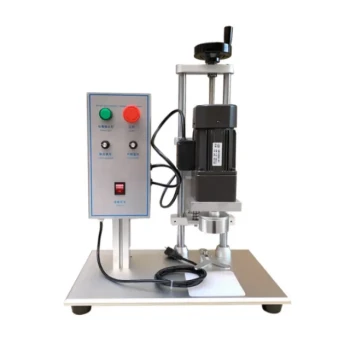
- Semi Automatic Electric Bottle Capping Machine
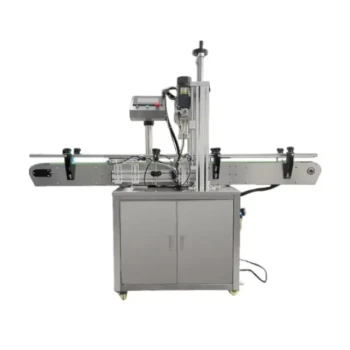
- Automatic Inline Spindle Bottle Capping Machine for Honey Production
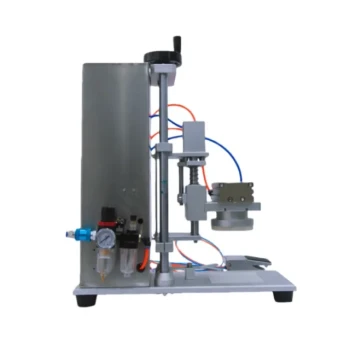
- HONESTBEE Professional Benchtop Pneumatic Bottle Capping Machine Capper
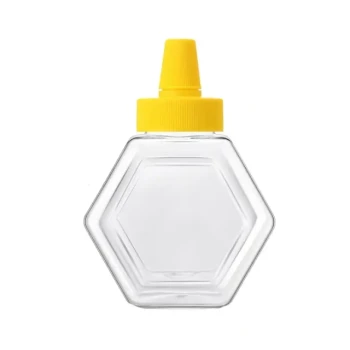
- Hexagonal Squeeze Honey Bottle with No Drip Lid
- Ergonomic Squeezable Honey Bottle with Precision Twist Nozzle Cap
People Also Ask
- How does a bottle capping machine work? Unlock Efficient, Consistent Sealing for Your Production Line
- What is the purpose of a bottle capping machine? Boost Efficiency and Ensure Product Integrity
- What are the categories of bottle capping machines? Choose the Right Automation for Your Line
- What type of machine is recommended for smaller businesses? The Smart Choice for Growing Operations
- What is the purpose of bottle capping equipment and what types are available? Professional Sealing Solutions