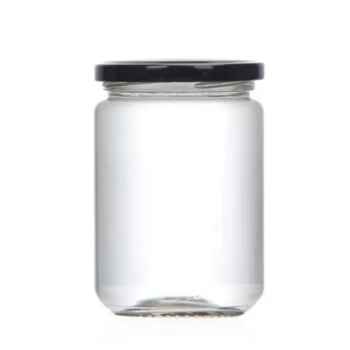
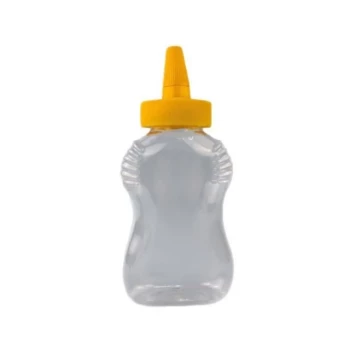
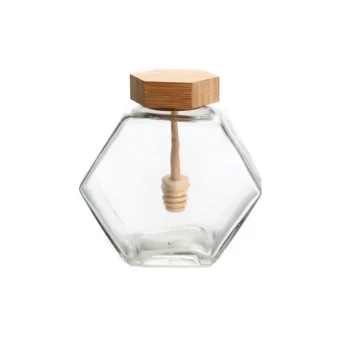
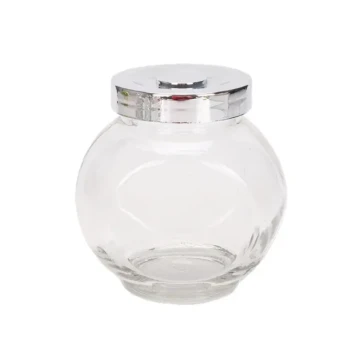
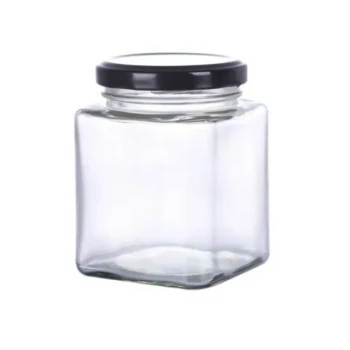
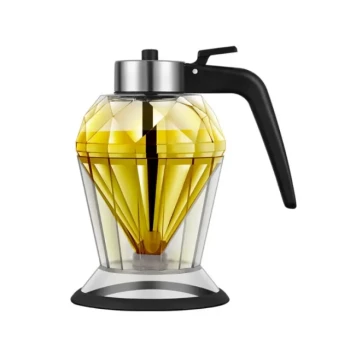
Standardized glass bottles and professional labeling are the foundational tools for transforming stingless bee honey from a raw agricultural commodity into a viable commercial product.
The glass packaging ensures an airtight environment that prevents moisture absorption and contamination, while professional labels communicate critical technical data—such as bee species, origin, and quality standards—to distinguish the product from inferior alternatives.
Core Takeaway Success in the stingless bee honey market relies on overcoming its high moisture content and susceptibility to fermentation through rigorous packaging standards. Together, airtight glass and transparent labeling protect the product's biological integrity and provide the "proof of quality" necessary to build consumer trust and justify premium pricing.
Ensuring Product Stability and Safety
The Moisture Barrier
Stingless bee honey is naturally hygroscopic, meaning it readily absorbs moisture from the air. Standardized glass bottles provide an essential airtight seal that stops this absorption, maintaining the honey's specific gravity and consistency.
Preventing Spoilage and Fermentation
Because this honey type has a naturally high water content, it is prone to fermentation if exposed to external elements. The sterile, sealed environment of a glass container is critical for preventing secondary contamination and arresting spoilage processes that would ruin the product's commercial value.
Enhancing Value Through Aging
High-quality, well-sealed containers do more than just preserve; they allow for beneficial maturation. When stored correctly, stingless bee honey can undergo natural aging, which reduces moisture content and concentrates antioxidants and flavonoids, effectively transforming it into a higher-value functional food.
Building Commercial Trust and Valuation
The Role of Technical Data
Professional labels serve as the primary carrier for essential technical information. By clearly displaying production dates, specific bee species, and geographical origins, producers provide the transparency required to validate the product's authenticity.
Combating Counterfeits
In markets saturated with diluted or fake products, professional packaging acts as a security feature. High-quality labeling and distinct packaging design help consumers distinguish genuine, high-potency honey from lower-quality substitutes, protecting the producer's intellectual property.
Accessing Premium Markets
Standardized packaging is often a prerequisite for entry into modern retail and e-commerce platforms. Clear communication of attributes—such as Halal certification, superfood status, or specific health benefits—allows the product to compete in premium pharmaceutical and health food sectors.
Adapting to Market Realities
Managing Low Yields
Stingless bee honey is a low-yield, high-value resource. Specialized small glass flasks are often used to align with this economic reality, allowing producers to sell smaller quantities at a high unit price without the product looking "empty" in a standard jar.
Mechanized Consistency
Standardized bottles enable the use of high-precision industrial filling machines. Because this honey has unique viscosity, automated filling into standardized containers ensures strict hygiene control and precise quantitative packaging that manual methods cannot match.
Understanding the Trade-offs
The Cost of Standardization
While standardization enables scale, it requires an upfront investment in specific inventory and machinery. Relying on standardized glass means producers must commit to specific filling equipment capable of handling the unique viscosity of stingless bee honey, rather than using cheaper, flexible manual packing methods.
Logistics and Handling
Glass offers superior protection and chemical neutrality compared to plastic, but it introduces logistical challenges. It is heavier and more fragile, increasing shipping costs and the risk of breakage during distribution, particularly for export markets.
Making the Right Choice for Your Goal
To maximize the commercial potential of stingless bee honey, align your packaging strategy with your specific market objectives:
- If your primary focus is Premium Health Markets: Prioritize small, high-quality glass flasks that highlight the "medicinal" and "low-yield" exclusivity of the product.
- If your primary focus is Export and Retail: Invest heavily in professional labeling that clearly displays certifications (e.g., Halal) and technical origin data to meet strict entry requirements.
- If your primary focus is Product Potency: Ensure your sealing process is industrial-grade to allow for safe natural aging, enhancing the antioxidant profile over time.
Standardization is not just about aesthetics; it is the primary defense against fermentation and the key to unlocking the premium valuation of your honey.
Summary Table:
| Feature | Role in Commercialization | Benefit for Stingless Bee Honey |
|---|---|---|
| Airtight Glass | Moisture & Fermentation Barrier | Prevents spoilage and allows for beneficial aging/maturation. |
| Small Flask Design | Market-Yield Alignment | Justifies premium pricing for low-yield, high-value honey products. |
| Technical Labels | Authentication & Traceability | Builds consumer trust by detailing bee species, origin, and certifications. |
| Industrial Standard | Mechanized Consistency | Enables the use of precision honey-filling machines for hygiene and scale. |
Scale Your Honey Business with HONESTBEE
Transitioning from raw production to a commercial brand requires professional equipment and reliable supply chains. HONESTBEE empowers commercial apiaries and distributors with the tools needed to dominate the premium market. From high-precision honey-filling machines designed for unique viscosities to a complete range of wholesale beekeeping tools and hardware, we provide the technical foundation for your success.
Ready to elevate your honey brand? Contact us today to explore our wholesale solutions and machinery and see how we can streamline your path to the premium global market.
References
- Henny Herwina, Syakira Tiara Rezvi. Potential of Stingless Beekeeping in Community Empowerment Strategy for Building Sustainable Creative Economy in a Forest Farmer Group of Puncak Labuang, Padang City. DOI: 10.25077/jwa.32.3.343-356.2025
This article is also based on technical information from HonestBee Knowledge Base .
Related Products
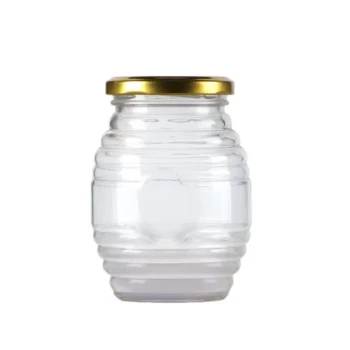
- Classic Glass Honey Jar with Metal Lug Cap for Beehive Storage
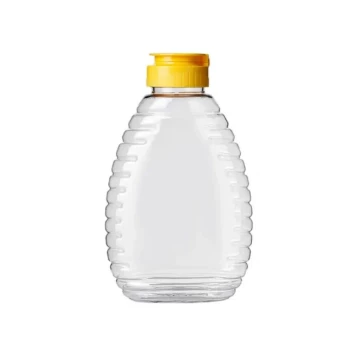
- Classic Beehive Honey Bottle Jar with Squeeze Dispenser Lid
- Squeezable No-Drip Beehive-Shaped Honey Jars with Flip-Top Cap
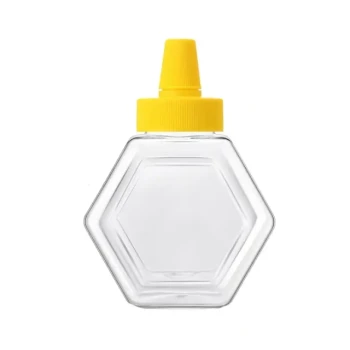
- Hexagonal Squeeze Honey Bottle with No Drip Lid
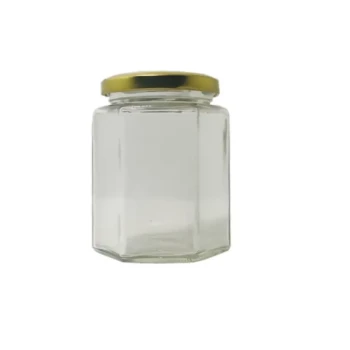
- Hexagonal Glass Honey Jars with Metal Lug Caps Elegant Versatile Packaging
People Also Ask
- What are the benefits of glass jars regarding strength and safety for storing honey? Ensure Purity and Long-Term Quality
- What are the advantages of using glass jars for honey storage? Ensure Purity and Premium Appeal for Your Product
- What are the benefits of using high-transparency Glass Jars for honey? Elevate Purity and Premium Branding
- What is the aesthetic appeal of using glass jars for honey? Elevate Your Brand with Premium Packaging
- Which container is best for storing honey? Preserve Purity & Flavor with the Right Choice