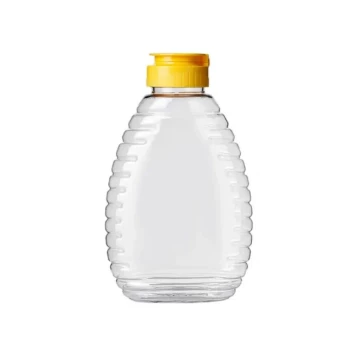
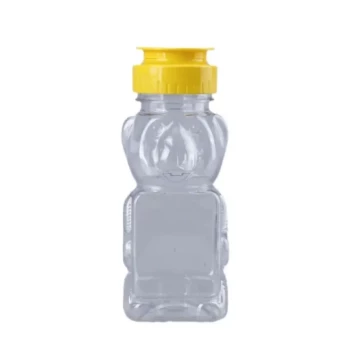
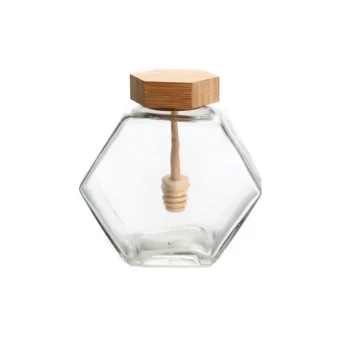
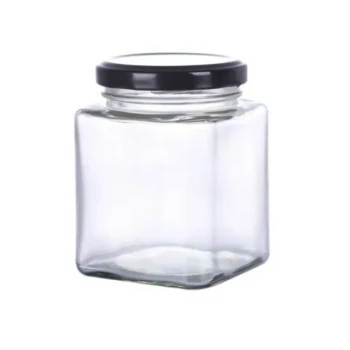
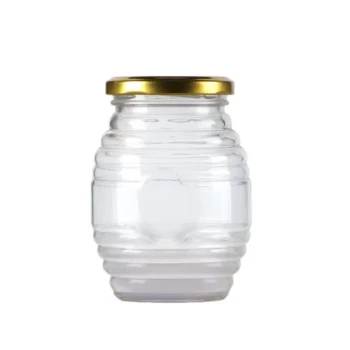
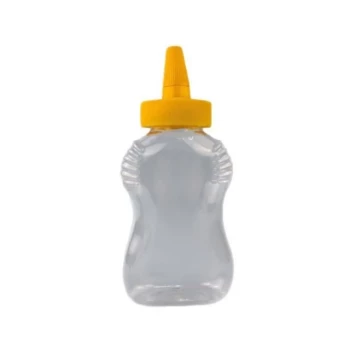
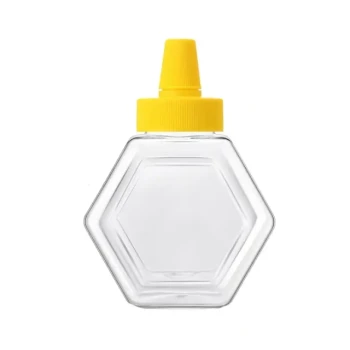
Plastic honey containers present distinct disadvantages regarding environmental sustainability and premium brand positioning. They suffer from lower recycling rates compared to glass and are widely perceived as utilitarian rather than luxurious. Furthermore, the rising consumer awareness of microplastics can undermine marketing strategies focused on raw or organic product purity.
Although practical for mass production, plastic containers limit a brand's ability to command premium pricing and complicate logistics due to the lack of protective shipping dividers.
The Environmental and Branding Disconnect
The Sustainability Gap
Common honey plastics, such as PET and LDPE, struggle with significantly lower recycling rates compared to glass.
For brands targeting eco-conscious consumers, this creates a verifiable disconnect between the natural product and its long-term environmental footprint.
The "Premium" Barrier
Plastic is functionally excellent but esthetically limited. It is viewed by the market as a practical material, rather than a premium one.
The quality of packaging—including the container and the seal—reflects a brand's commitment to excellence. Plastic often fails to convey the attention to detail required to justify a higher price point.
The Microplastic Contradiction
Marketing honey as "raw" or "organic" implies absolute purity.
Consumer anxiety regarding microplastics creates a psychological barrier. This creates a conflict for health-focused buyers who may worry that the container compromises the integrity of the honey inside.
Operational and Logistical Trade-offs
Increased Handling Requirements
A commonly overlooked limitation is the arrival state of the inventory. Plastic bottles typically lack protective dividers in their bulk shipping configuration.
Glass jars, by contrast, frequently arrive in reusable shipping boxes with built-in partitions, ready for the production line.
The Hidden Cost of Labor
Because plastic containers often arrive loosely packed, they require extra handling by your production team to organize and process.
While the raw unit cost of plastic is often lower, these labor inefficiencies can erode those savings during the manufacturing process.
Making the Right Choice for Your Goal
To select the correct packaging, you must weigh the utility of plastic against the identity of your brand.
- If your primary focus is premium branding: Avoid plastic to escape the "budget" perception and demonstrate attention to detail through higher-quality materials.
- If your primary focus is organic or raw markets: Choose glass to align with consumer expectations of purity and eliminate friction regarding microplastics.
- If your primary focus is operational efficiency: Be prepared for the trade-off that plastic containers often require more manual labor to unpack and organize than glass options.
Align the material choice not just with your budget, but with the story you want your honey to tell.
Summary Table:
| Factor | Plastic Containers | Glass Containers |
|---|---|---|
| Environmental Impact | High; lower recycling rates & microplastic risk | Low; 100% recyclable & chemical-free |
| Brand Perception | Utilitarian / Budget-friendly | Premium / Artisanal |
| Consumer Purity | Potential friction for organic buyers | Aligns with raw/organic purity |
| Shipping Logistics | Loose bulk; requires extra labor | Divided boxes; production-ready |
| Retail Price Point | Harder to justify premium pricing | Commands higher shelf value |
Elevate Your Honey Brand with HONESTBEE
Is your packaging holding back your premium positioning? At HONESTBEE, we specialize in empowering commercial apiaries and distributors with high-quality solutions that reflect the purity of your harvest.
From specialized honey-filling machinery and hive-making equipment to a comprehensive range of professional beekeeping tools and essential consumables, we provide the infrastructure you need to scale efficiently. Our diverse portfolio also includes honey-themed cultural merchandise to help you build a loyal brand community.
Ready to upgrade your operation and reach eco-conscious customers?
Contact us today to explore our wholesale offerings and see how we can help you transition from utility to excellence.
Related Products
- Squeezable No-Drip Beehive-Shaped Honey Jars with Flip-Top Cap
- Classic Beehive Honey Bottle Jar with Squeeze Dispenser Lid
- Food Grade Plastic Honey Bucket Pail for Beekeeping
- Classic Honey Bear Jars with Flip Top Dispensing Cap for Liquid Sweeteners
- Hexagonal Glass Honey Jar with Wooden Lid Integrated Dipper Elegant Functional Storage
People Also Ask
- What food safety standards must honey containers meet? Expert Guide to Packaging Integrity & Hygiene
- Why is it important to distinguish between weight and volume when selecting honey containers? Maximize Profits Now
- What are the benefits of purchasing honey containers in bulk? Maximize Margins & Secure Your Supply Chain
- What types of containers are ideal for storing liquid honey? Preserve Quality with Glass or Plastic
- How many jars of honey can you get from a hive? Maximize Your Yield with Strong Hive Management