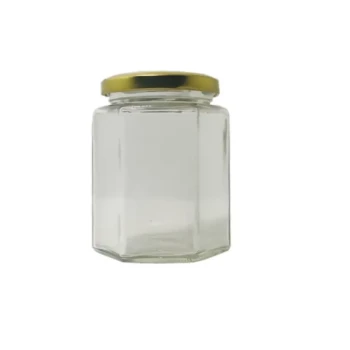
The primary function of inert gas protection and light-shielding materials is to arrest the chemical degradation of propolis caused by environmental exposure. By replacing oxygen with nitrogen and utilizing composite barriers against ultraviolet radiation, these packaging methods isolate the material to prevent the oxidative rancidity of its sensitive active compounds.
Propolis is biologically active and chemically unstable. The core value of these preservation techniques lies in creating an isolated environment that prevents external factors from altering the material's original composition before it reaches the lab or processing plant.
The Mechanisms of Protection
Blocking Oxidative Reactions
Propolis is highly sensitive to oxygen. When exposed to air, the material undergoes oxidation, a chemical reaction that degrades its quality.
The Role of Inert Gas
To counter oxidation, storage containers are filled with inert gases like nitrogen. This displaces the oxygen within the package, effectively removing the fuel required for oxidative breakdown.
Eliminating Light Damage
Ultraviolet (UV) rays act as a catalyst for chemical degradation. Composite laminated light-shielding packaging creates a physical barrier that completely isolates the propolis from light sources.
Preserving Chemical Integrity
Protecting Phenolic Substances
The value of propolis lies largely in its phenolic compounds. These substances are prone to "oxidative rancidity," which renders them ineffective.
Ensuring Technical Consistency
Proper packaging ensures that the material maintains high technical indicator consistency. This guarantees that the propolis entering advanced processing stages is chemically identical to the propolis that was harvested.
Facilitating Transport
Beyond chemical preservation, standardized packaging provides the physical sealing necessary for long-distance transportation. It acts as a robust carrier that protects the physical structure of the product during transit.
The Broader Preservation Ecosystem
Packaging is Not Enough
While gas and light shielding address chemical reactivity, they are most effective when combined with temperature control. Industrial low-temperature freezing is required to reduce molecular thermal motion.
The Synergy of Cold and Shielding
Freezing slows down volatilization, while packaging prevents oxidation. Together, they ensure the chemical stability of heat-sensitive components.
Sealing Against Moisture
While the primary threat to propolis is oxidation, specialized packaging also offers superior sealing properties. This prevents the absorption of environmental moisture, which is a critical factor in maintaining the stability of bee products generally.
Making the Right Choice for Your Goal
To ensure your propolis samples retain their value, align your preservation strategy with your end goals:
- If your primary focus is Analytic Accuracy: Prioritize nitrogen filling and light-shielding to ensure samples reflect the exact compositional characteristics possessed at the time of collection.
- If your primary focus is Commercial Viability: Focus on standardized, composite packaging that ensures durability during transport and meets the aesthetic requirements of high-end retail markets.
Effective preservation is not just about containment; it is about suspending time to keep bioactive compounds alive.
Summary Table:
| Preservation Factor | Method Used | Primary Function |
|---|---|---|
| Oxidation | Nitrogen (Inert Gas) | Displaces oxygen to prevent chemical breakdown and rancidity. |
| UV Radiation | Composite Laminated Films | Blocks light to stop ultraviolet-catalyzed degradation. |
| Temperature | Low-Temp Freezing | Reduces molecular motion to stabilize heat-sensitive components. |
| Moisture | Hermetic Sealing | Prevents absorption of environmental humidity and external contaminants. |
| Transport | Standardized Packaging | Ensures physical durability and technical consistency during transit. |
Maximize Your Apiary's Potential with HONESTBEE
Preserving the integrity of sensitive products like propolis is critical for maintaining commercial value. As a dedicated partner to commercial apiaries and global distributors, HONESTBEE provides the professional-grade tools and machinery needed to scale your operations. From specialized hive-making and honey-filling machines to a comprehensive range of beekeeping hardware and industry consumables, we offer everything you need to ensure product quality from harvest to retail.
Ready to upgrade your production and preservation capabilities? Contact us today to explore our wholesale solutions!
References
- TC Puspha, MS Reddy. Pharmacological potentials of Propolis in urban landscapes. DOI: 10.30574/gscbps.2019.8.1.0116
This article is also based on technical information from HonestBee Knowledge Base .
Related Products
- 8 Frame and 10 Frame Propolis Trap Collector Screen for Propolis Collection
- Hexagonal Glass Honey Jars with Metal Lug Caps Elegant Versatile Packaging
People Also Ask
- Why is a specific wooden frame required when installing a propolis screen? Optimize Your Propolis Harvest Efficiency
- What are the advantages of using propolis collector screens? Elevate Your Harvest to Pharmaceutical Purity
- How do propolis collection screens work? Discover material specs for commercial harvesting equipment
- How does the mesh size of a propolis collection screen influence the efficiency of propolis harvesting? Optimize Yields!
- How do commercial-grade plastic screens compare to custom fine-mesh screens? Maximize Your Propolis Yield & ROI