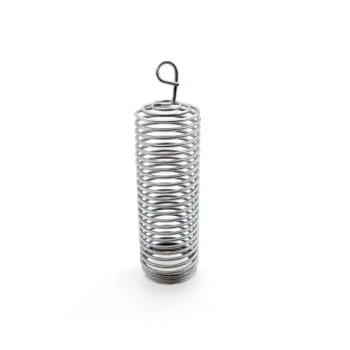
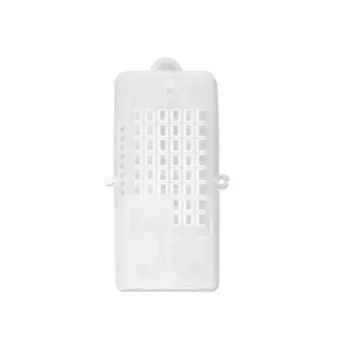
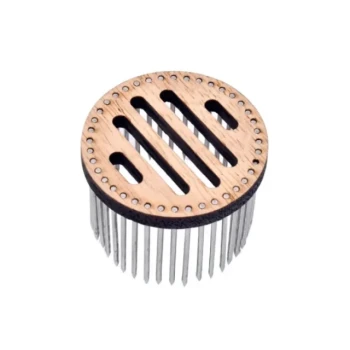
Two-chambered nest boxes and bee collection cages function as precision control systems in the artificial domestication of bumblebee queens. They are designed to create a stabilized microenvironment that isolates specific activity zones, ensuring consistent temperature and humidity levels essential for queen health. By physically separating these areas, breeders can execute precise feeding regimens, directly impacting the success of early colony foundation.
The primary value of these tools lies in their ability to maintain a constant environment—specifically 25–30°C and 60–70% humidity—while facilitating the targeted nutrition necessary for high queen survival rates.
Creating the Optimal Microenvironment
Regulating Climate Variables
The fundamental purpose of these enclosures is to eliminate environmental volatility. The design creates a buffer that maintains the internal temperature strictly between 25 and 30 degrees Celsius.
Humidity Retention
Alongside temperature control, these tools stabilize relative humidity. They ensure the moisture levels remain constant at 60 to 70 percent, which is critical for brood development and preventing desiccation.
The Strategic Role of Spatial Isolation
Separating Activity Zones
The "two-chamber" aspect of the nest box allows for the isolation of different behaviors. By delineating space, the equipment prevents cross-contamination of activities and helps maintain hygiene within the nesting core.
Precision Nutrition Delivery
The spatial layout is specifically engineered to allow for precise feeding. Breeders can administer exact quantities of sucrose solutions and pollen to individual queens.
Enhancing Early Development
This controlled feeding is not merely for sustenance; it is a strategic intervention. Proper use of these cages improves the survival rate of early spring queens and significantly increases the success rate of initial colony establishment.
Understanding the Trade-offs
The Requirement for Active Management
While these tools provide a "highly controlled" environment, they are not set-and-forget solutions. The benefit of precise feeding implies a requirement for rigorous monitoring by the breeder.
Dependency on Parameters
The success of this equipment relies entirely on sticking to the specific ranges mentioned (25–30°C / 60–70% RH). Deviating from these parameters renders the specialized design ineffective, as the equipment is built to sustain these specific conditions, not to correct extreme external fluctuations.
Making the Right Choice for Your Goal
To get the most out of two-chambered nest boxes and collection cages, align your usage with your specific breeding objectives:
- If your primary focus is Queen Survival: Strictly monitor the microenvironment to ensure temperature never fluctuates outside the 25–30°C range, protecting vulnerable early spring queens.
- If your primary focus is Colony Establishment: Leverage the spatial isolation to provide uninterrupted access to high-quality pollen and sucrose, ensuring the energy reserves needed for nesting.
By leveraging these specialized enclosures, you convert the volatile variables of breeding into a repeatable, high-success process.
Summary Table:
| Feature | Function/Specification | Impact on Breeding |
|---|---|---|
| Temperature Control | Maintains 25–30°C | Ensures queen health and metabolic stability |
| Humidity Regulation | Stabilizes 60–70% RH | Prevents brood desiccation and promotes development |
| Two-Chamber Design | Separates nesting and feeding zones | Enhances hygiene and prevents cross-contamination |
| Precision Feeding | Targeted sucrose/pollen delivery | Increases early queen survival and colony success |
Maximize Your Colony Success with HONESTBEE
As a leading provider for commercial apiaries and distributors, HONESTBEE understands that precision equipment is the backbone of successful bumblebee breeding. Whether you need specialized nesting hardware, honey-processing machinery, or essential industry consumables, our comprehensive wholesale offering is designed to scale your operations.
Ready to elevate your beekeeping output? Partner with HONESTBEE for the high-performance tools and cultural merchandise your business needs to thrive. Contact us today to explore our full product range!
References
- Sunanda Ghosh, Rakesh Das. Non-Apis bee pollinators: A way out to the future pollinators’ challenge. DOI: 10.33545/26174693.2024.v8.i4b.935
This article is also based on technical information from HonestBee Knowledge Base .
Related Products
- Langstroth Honey Bee Box Hive Boxes for Different Depths
- Styrofoam Mini Mating Nuc Box with Frames Feeder Styrofoam Bee Hives 3 Frame Nuc Box
- Twin Queen Styrofoam Honey Bee Nucs Mating and Breeding Box
- Australian Langstroth Beehive Boxes for Beekeeping Wholesales
- Portable Bee Mating Hive Boxes Mini Mating Nucs 8 Frames for Queen Rearing
People Also Ask
- What role do standardized Langstroth boxes play in commercial apiary management and honey bee research? | HONESTBEE Guide
- What are the primary advantages of using standardized Langstroth boxes? Scale Your Commercial Beekeeping Operation
- What are the differences between the three standard depths of Langstroth boxes? Choose the Best Size for Your Apiary
- What features of Langstroth hive boxes contribute to expandability and honey yield? Maximize Your Apiary Production
- What are the typical uses for the different box sizes in a Langstroth hive? Master Hive Management & Efficiency