The practical difference is operational, not simply material preference. Wooden frames provide flexibility, easier repair, and better compatibility with natural beeswax foundation, while plastic frames offer greater dimensional stability, durability, and resistance to wax moth damage. For commercial apiaries, the choice should be based on bee acceptance, extraction conditions, maintenance capacity, replacement economics, and supply reliability.
Wooden frames are usually the more adaptable choice; plastic frames are usually the more durable and production-consistent choice. Select wood when rapid comb acceptance, repairability, and foundation flexibility matter most, and select plastic when high-volume handling, mechanical extraction, and reduced routine maintenance justify the higher initial cost.
How Wooden and Plastic Frames Differ Functionally
Foundation flexibility
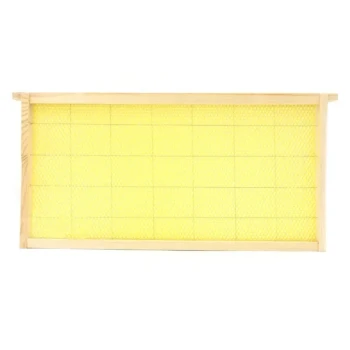
Wooden frames can accept wax, wire, or plastic foundation, and they can also be used without foundation where the beekeeping system permits it. This gives operators greater control over comb-building methods and replacement parts.
Plastic frames generally include an integrated plastic foundation. The foundation cannot normally be replaced separately, so damage to the comb or frame can require discarding the complete unit.
Bee acceptance and comb construction
Wooden frames paired with natural beeswax foundation are typically accepted more readily by honeybees. Under suitable nectar conditions, bees generally draw natural wax into comb more quickly and consistently.
Plastic foundation may require an even coating of beeswax to encourage acceptance and comb building. Without adequate preparation or strong nectar flow, colonies may be slower to draw plastic foundation.
Structural strength and handling
Plastic frames provide high rigidity and dimensional stability during routine handling. This is especially valuable when frames are moved frequently or processed through high-speed centrifugal extractors.
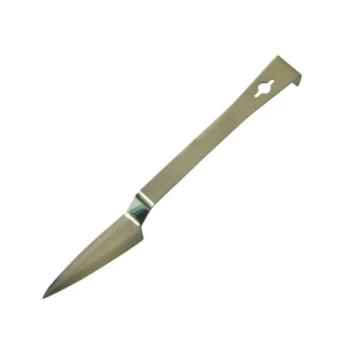
Wooden frames are sufficiently durable for most operations, but nails, joints, and frame ears can loosen or break during repeated levering with a hive tool. The advantage is that many wooden-frame failures are repairable.
Resistance to pests and moisture
Plastic is resistant to rot and offers strong protection against wax moth damage. It is therefore useful in operations where frames are stored for extended periods or exposed to significant pest pressure.
Wood can degrade under persistent moisture and may require more inspection and maintenance. Its condition depends heavily on storage, ventilation, handling, and general apiary management.
Selection Criteria for Commercial Apiaries
Choose based on operating scale and workflow
Large commercial operations often benefit from the consistency of plastic frames during repetitive manipulation, transport, and extraction. Their rigidity can reduce mechanical breakage and interruptions during processing.
Wooden frames may be preferable where operators assemble, repair, and customize equipment internally. They are also practical for businesses that need to support multiple foundation formats across different customers or apiary systems.
Evaluate total cost rather than purchase price
Wooden frames generally have a lower initial cost and can often be repaired rather than replaced. However, assembly labor, foundation installation, inspection, and moisture-related maintenance add ongoing costs.
Plastic frames typically cost more upfront but can reduce assembly time and routine maintenance. Their economic advantage is strongest where durability, labor savings, and reduced breakage outweigh the higher replacement price.
Consider replacement and inventory requirements
Wooden frames allow separate replacement of foundation, wire, or damaged wooden components. This supports a more modular inventory strategy and makes it easier to maintain mixed customer requirements.
Plastic frames simplify initial deployment but create a less flexible replacement model. If the integrated foundation or frame becomes unusable, the complete frame may need to be removed from service.
Match the frame to extraction equipment
Plastic frames are well suited to commercial honey houses using high-throughput or high-speed extraction equipment. Their rigidity helps maintain frame integrity under mechanical stress.
Wooden frames can also perform effectively, but frame condition and construction quality become more important. Loose joints, weak nails, or damaged ears increase the risk of failure during extraction.
Account for storage and climate
Plastic frames are advantageous in damp environments and in storage conditions where wax moth damage is a concern. They do, however, require protection from excessive heat because plastic can warp or become irreparably deformed outside the hive.
Wooden frames are more tolerant of some heat exposure but are more vulnerable to moisture-related deterioration. Proper storage and regular inspection are essential for preserving their service life.
Understanding the Trade-offs
Plastic is not maintenance-free
Plastic frames resist rot and wax moth damage, but they still require correct preparation and handling. Bees may accept them slowly unless the surface receives a sufficiently even beeswax coating and colony conditions support rapid comb construction.
Plastic components can also crack, warp, or suffer irreparable damage to ears and top bars. Unlike a loose nail or wooden joint, these failures are generally not practical to repair.
Wood is flexible but labor-intensive
Wooden frames require assembly and may need wiring or foundation installation before use. This increases labor and creates additional quality-control steps for commercial users and distributors.
Their repairability is a major advantage, but it does not eliminate maintenance. Moisture exposure, loose fasteners, and repeated tool use must be managed through inspection and timely repairs.
Durability does not guarantee better productivity
Frame material does not inherently determine honey yield. Productivity is influenced more directly by colony strength, forage availability, management, and seasonal conditions.
Material choice affects productivity indirectly through factors such as bee acceptance, comb construction speed, equipment reliability, and processing downtime.
Cleaning and end-of-life management require planning
Plastic frames are generally easy to clean and resistant to many forms of deterioration. However, cleaning methods must not expose them to conditions that cause warping or cracking.
Wood is renewable, repairable, and recyclable in ways that may support a lower-impact equipment strategy. Plastic can offer a longer service life in demanding workflows, but end-of-life disposal and replacement should be included in sustainability and procurement decisions.
What Distributors and B2B Buyers Should Evaluate
Product consistency and specifications
Commercial buyers should confirm frame dimensions, hive standard compatibility, frame spacing, foundation configuration, and extractor compatibility before placing repeat orders. Small dimensional differences can create handling problems across an apiary fleet.
A dependable supplier should provide consistent specifications across batches and clearly identify whether plastic frames are fully assembled, wax-coated, or supplied without an acceptance coating.
Availability and fulfillment speed
Wooden frames may require separate sourcing of foundation, wire, nails, or assembly labor. Plastic frames can simplify deployment when supplied as ready-to-use units.
For distributors and wholesalers, the better product is often the one that can be replenished quickly and consistently. Rapid response, dependable inventory, and coordinated delivery can matter as much as the frame material itself.
Customer segmentation
Beekeepers focused on natural comb construction or flexible equipment repair may favor wooden frames. Commercial honey producers using intensive extraction and standardized workflows may place greater value on plastic-frame durability.
Maintaining both options can support a one-stop product portfolio. It also allows resellers to recommend equipment based on operating conditions rather than forcing every customer into one material category.
Making the Right Choice for Your Goal
The best selection depends on the operating priority, not on a universal claim that one material is superior.
- If your primary focus is rapid bee acceptance and flexible comb management: Choose wooden frames, preferably with natural beeswax foundation, because they support faster acceptance and allow foundation replacement or customization.
- If your primary focus is high-volume extraction and mechanical durability: Choose plastic frames because their rigidity and resistance to wax moth damage can reduce breakage and maintenance interruptions.
- If your primary focus is low initial cost and repairability: Choose wooden frames because individual components can often be repaired or replaced rather than discarding the entire frame.
- If your primary focus is simplified deployment and reduced routine maintenance: Choose plastic frames, while accounting for beeswax coating, heat protection, and complete-unit replacement.
- If your primary focus is supplying diverse commercial customers: Stock both types and provide clear guidance on compatibility, acceptance preparation, extraction requirements, and replacement economics.
The right frame is the one that fits your bees, equipment, labor model, climate, and supply requirements over its complete service life.
Summary Table:
| Criteria | Wooden Frames | Plastic Frames |
|---|---|---|
| Foundation Flexibility | Accepts wax, wire, or plastic foundation; foundation can be replaced separately | Integrated plastic foundation; generally not replaceable |
| Bee Acceptance | High acceptance with natural beeswax; rapid comb building | May require beeswax coating; acceptance can be slower |
| Durability | Susceptible to moisture, rot, and damage from hive tools; but repairable | High rigidity; resistant to rot and wax moth; but can crack or warp |
| Maintenance | Requires assembly, wiring, and regular inspection; repairable | Low routine maintenance; but complete unit replacement if damaged |
| Cost | Lower initial cost; ongoing labor and replacement parts | Higher upfront cost; potential savings in labor and reduced breakage |
| Best For | Operations prioritizing bee acceptance, repairability, and foundation flexibility | High-volume extraction, mechanical handling, and reduced maintenance |
Looking for high-quality beehive frames tailored to your commercial operation? HONESTBEE offers a full spectrum of beekeeping tools, machinery, and equipment, including durable wooden and plastic frames. With our one-stop sourcing, rapid response, and ultra-fast delivery, we ensure your supply chain stays efficient and reliable. Whether you're a distributor or large-scale beekeeper, our team provides expert guidance and premium trading services. Contact us today at #ContactForm to discuss your needs and get a customized quote!
Related Products
- Wooden Bee Hive Frames for Beekeeping and Wholesale
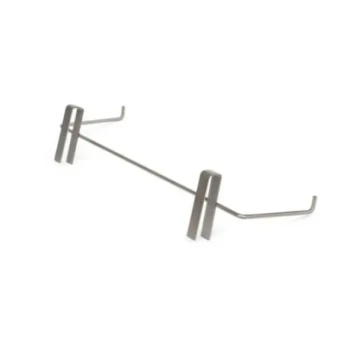
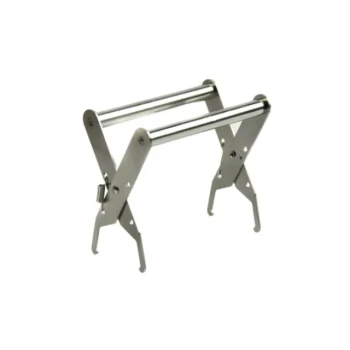
- Heavy-Duty Stainless Steel Clip-On Frame Perch
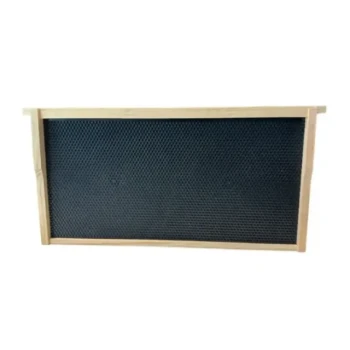
- Assembled Wooden Bee Frames with Plastic Foundation for Durability and Convenience by HONESTBEE
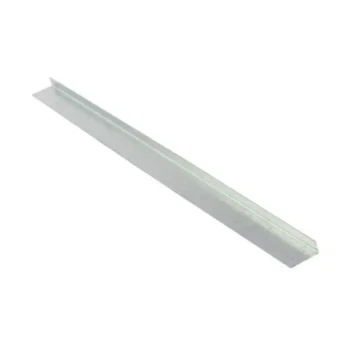
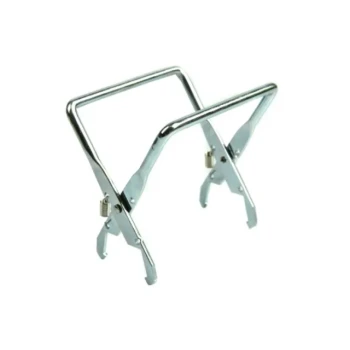
- Professional Galvanized Steel Frame Rest for Beehives
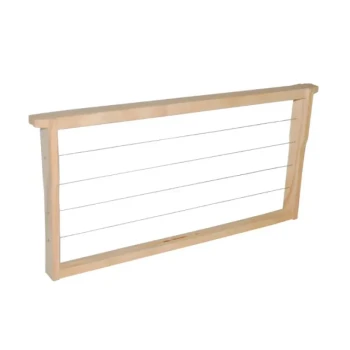
- HONESTBEE Wired and Assembled Wooden Bee Frames Foundation for a Thriving Hive
People Also Ask
- How does balancing the number of frames impact hive productivity? Optimize Your Apiary's Biological Output
- How do wooden and plastic hive frames compare in terms of durability? Wood vs. Plastic Longevity & Repairability
- What are the main considerations when choosing between wooden and plastic bee hive frames? Optimize Your Apiary's Efficiency
- How should beehive frames be maintained to prolong their lifespan? 5 Pro Tips for Durable Beekeeping Equipment
- Can I reuse old beehive frames? Save Money and Boost Hive Productivity