Constant temperature storage systems function as the primary defense against chemical and physical degradation in bee products. For honey, these systems precisely regulate heat to prevent unwanted crystallization, fermentation, and browning. For royal jelly, they provide critical stability against oxidation, preserving the fragile proteins and lipids required for the product to remain an effective health supplement.
Core Takeaway Temperature control is not merely about storage; it is an active preservation strategy that arrests the formation of harmful byproducts like HMF in honey and prevents the biological inactivation of royal jelly. This stability allows producers to maintain product efficacy and texture throughout the supply chain.
Preserving the Chemical Integrity of Honey
Preventing Physical and Biological Spoilage
Honey is an active biological product that reacts poorly to temperature fluctuations. Constant temperature systems maintain the environment—typically around 20°C or lower—to inhibit natural fermentation.
By stabilizing the temperature, these systems also control the rate of crystallization. While crystallization is natural, uncontrolled temperature shifts can lead to uneven textures that are unappealing to consumers.
Inhibiting Chemical Degradation
The most significant chemical threat to honey quality is the formation of hydroxymethylfurfural (HMF). HMF levels rise significantly when honey is exposed to heat, serving as a marker of poor quality or age.
Controlled storage acts as a brake on HMF formation. Simultaneously, it prevents browning and flavor degradation, ensuring the honey retains its original enzyme activity and taste profile from harvest to sale.
Ensuring the Efficacy of Royal Jelly
Protecting Against Oxidation
Royal jelly is a high-value product that is highly susceptible to oxidation. Unlike honey, which is relatively robust, royal jelly behaves more like a fresh dairy or meat product in terms of fragility.
Constant temperature systems, specifically refrigeration and cold chain solutions, prevent the degradation of essential proteins and lipids. Without this control, the product rapidly loses the structural integrity that defines its quality.
Maintaining Bioactive Potency
The market value of royal jelly lies in its health benefits, specifically its antibacterial properties and unique components like 10-HDA. These bioactive substances are heat-sensitive.
If temperatures rise (particularly above 40°C), these active ingredients can be inactivated. Strict temperature regulation ensures the product remains a viable health supplement rather than just a caloric sweetener.
Understanding the Operational Trade-offs
While constant temperature storage is essential for quality, it introduces specific challenges that producers must manage.
The Cost of Consistency
maintaining a precise climate requires significant energy consumption and specialized infrastructure. This increases the operational cost per unit, meaning high-value storage is most economically viable for premium products rather than bulk, lower-grade syrup.
Supply Chain Vulnerability
The system is only as strong as its weakest link. A "broken cold chain"—where temperature control fails during transport—can undo months of proper storage. This requires specialized logistics equipment to ensure the controlled environment moves with the product.
Strategic Application for Market Success
Implementing constant temperature storage is a strategic decision that impacts both product quality and economic timing.
- If your primary focus is International Export: Prioritize temperature suppression to minimize HMF levels, as exceeding HMF limits is a common reason for rejection in global markets.
- If your primary focus is Economic Leverage: Use controlled storage to extend shelf life, allowing you to bypass harvest-season price drops and sell during peak demand periods.
- If your primary focus is High-Value Supplements: Invest in an unbroken cold chain for royal jelly to guarantee the retention of 10-HDA and antibacterial properties, which justifies a premium price point.
By controlling the environment, you transform storage from a passive holding period into an active quality assurance process.
Summary Table:
| Product Type | Storage Goal | Primary Benefit | Key Quality Marker |
|---|---|---|---|
| Honey | Inhibition of fermentation | Prevents HMF rise and browning | Enzyme activity & texture |
| Royal Jelly | Protection against oxidation | Preserves proteins and lipids | 10-HDA & antibacterial potency |
| Supply Chain | Temperature stability | Extends shelf life for peak sale | Global export compliance |
Maximize Your Harvest's Value with HONESTBEE
Maintaining the integrity of honey and royal jelly requires more than just storage—it requires precision engineering. HONESTBEE provides commercial apiaries and distributors with the professional-grade tools and machinery needed to protect product efficacy.
From advanced honey-filling machines to specialized hive-making hardware and essential industry consumables, we empower your business to deliver premium quality to the global market.
Ready to upgrade your production and storage capabilities? Contact HONESTBEE Today for Wholesale Solutions
References
- Steven Yeow, Khong Sin Tan. Consumer Purchase Intentions and Honey Related Products. DOI: 10.5171/2013.197440
This article is also based on technical information from HonestBee Knowledge Base .
Related Products
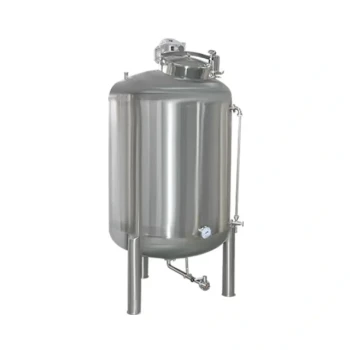
- Professional Honey Storage Tank with Agitation System
- Stainless Steel Honey Storage and Settling Tank with Double Strainer
- Stainless Steel Honey Storage Tank with Lid for Honey
- Classic Glass Honey Jar with Metal Lug Cap for Beehive Storage
- Classic Drum Shaped Glass Honey Jar with Airtight Lid
People Also Ask
- What economic role do honey storage tanks play? Boost Your Revenue Through Strategic Inventory Management
- What roles do industrial honey storage tanks and filtration meshes play in processing? Ensure Purity & Consistency
- What is the purpose of a honey storage tank? Streamline Your Honey Processing for Quality & Efficiency
- What are honey storage tanks used for? Essential Features for Quality Preservation and Profit
- How do large honey storage tanks and gravity fall filling systems improve honey packaging efficiency and safety?