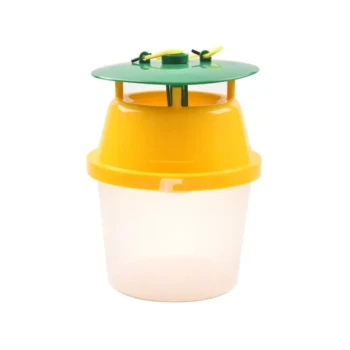
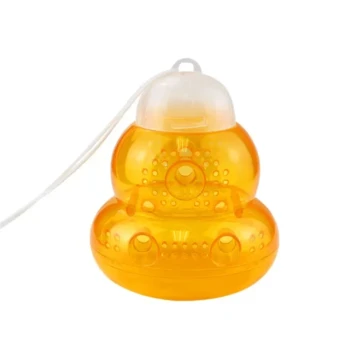
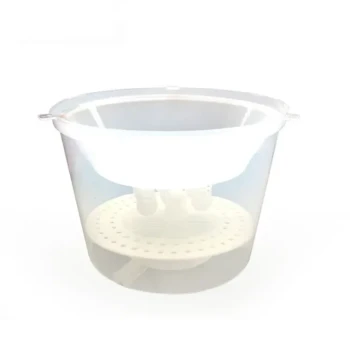
Front porch style pollen traps are entry-level collection units designed to mount directly over the existing hive entrance, acting as a filter for returning foragers. While accessible, these units are defined by significant limitations, specifically a small pollen storage capacity and high susceptibility to warping and mold, necessitating a rigorous daily maintenance schedule to prevent spoilage and mechanical failure.
Core Insight: Front porch traps trade initial affordability for increased labor. Because they are exposed elements with low capacity, they require daily intervention to preserve the quality of the harvest and the physical integrity of the trap.
Analyzing the Physical Limitations
Restricted Storage Capacity
The most immediate operational bottleneck is volume. These traps feature a small collection drawer or bin compared to bottom-mounted alternatives.
During a heavy pollen flow, this limited space can result in rapid overfilling. If the drawer is not emptied frequently, the trap becomes ineffective or clogged.
Susceptibility to Environmental Damage
Because these traps hang off the front of the hive, they are fully exposed to the elements.
This exposure makes the materials, particularly wood or lower-grade plastics, highly prone to warping. Over time, this distortion can alter the fit of the trap components.
Mechanical Operation Issues
Warping leads directly to mechanical failure. As the unit changes shape, the moving parts—specifically the doors used to bypass the trap or access the pollen—may become difficult to operate.
If the doors stick or fail to close properly, you lose the ability to control when the bees are trapping pollen versus when they are foraging freely.
High Risk of Spoilage
The combination of small capacity and external exposure creates a perfect environment for mold growth.
Pollen contains moisture; if it sits in a cramped, damp "front porch" container for too long, it will mold quickly. This renders the harvest unusable for human consumption.
Critical Maintenance Protocols
Ensuring a Hermetic Seal
Bees are resourceful and will actively seek the path of least resistance. A primary maintenance requirement is verifying that the trap is tightly sealed against the hive body.
If there are gaps between the trap and the hive face, bees will bypass the collection grid entirely. You must regularly inspect the mounting points to ensure no alternative entrances have formed.
The Necessity of Frequent Harvesting
To mitigate the risks of molding and overfilling, you must adopt a high-frequency harvesting schedule.
Unlike larger traps that can be checked every few days, front porch traps generally require daily emptying. This is the only way to ensure the pollen remains dry and the drawer does not overflow.
Cleaning Moving Parts
Regular cleaning is essential to maintain the functionality of the trap's mechanism.
You must clear away propolis, wax, and debris that accumulate around the doors and sliders. Keeping these surfaces clean ensures the parts operate smoothly despite the potential for weathering.
Understanding the Trade-offs
Affordability vs. Longevity
These traps are an affordable introduction to pollen collection, lowering the barrier to entry for beekeepers.
However, the trade-off is durability. The susceptibility to warping means these units may have a shorter service life than more robust, integrated systems.
Collection Efficiency Limits
While not a maintenance issue strictly, users should be aware of the efficiency ceiling.
Typically, pollen traps collect between 30% and 70% of the pollen brought back by foragers. Operational issues, such as a poor seal or warped grid, will significantly drop this efficiency to the lower end of that spectrum.
Making the Right Choice for Your Goal
These traps function best when the beekeeper understands the labor commitment involved.
- If your primary focus is low-cost experimentation: These traps provide a budget-friendly way to learn pollen collection mechanics without modifying your hive equipment.
- If your primary focus is high-volume production: You may find the small capacity and daily harvesting requirement to be a bottleneck that outweighs the initial cost savings.
- If your primary focus is pollen quality: You must commit to a strict daily harvesting routine to prevent the molding issues inherent to this design.
Success with a front porch trap relies less on the equipment itself and more on your discipline in checking and clearing it every single day.
Summary Table:
| Feature | Front Porch Trap Limitation | Maintenance Requirement |
|---|---|---|
| Storage Capacity | Small drawer/bin; prone to overflowing | Daily emptying to prevent clogs |
| Durability | High exposure; susceptible to warping | Regular inspection of seals and fit |
| Pollen Quality | High risk of moisture and mold growth | Frequent harvesting to ensure freshness |
| Mechanicals | Doors and sliders may stick or fail | Periodic cleaning of propolis and wax |
| Efficiency | Bees may find gaps to bypass the grid | Verify hermetic seal against hive body |
Scaling Your Pollen Production? Partner with HONESTBEE
While front porch traps offer a low-cost entry point, commercial success requires durable, high-efficiency equipment. HONESTBEE specializes in supporting commercial apiaries and distributors with a comprehensive wholesale range of beekeeping tools and machinery.
From robust pollen collection systems to honey-filling machines and specialized hive-making hardware, we provide the industrial-grade solutions your business needs to reduce labor and maximize yield.
Ready to upgrade your apiary’s efficiency? Contact us today to discuss our wholesale offerings and how we can support your growth." growth!"
Related Products
- 30 cm Plastic Entrance Hole Bee Pollen Trap and Collector
- Removable Plastic Pollen Trap With Ventilated Tray for Bees Pollen Collector
- Plastic Bee Pollen Trap Strips Comb Catcher Collector
- Professional Bucket Style Wasp and Moth Pheromone Trap
- High-Efficiency Diamond Maze Bee Escape for Clearing Supers
People Also Ask
- What are the design principles and advantages of pollen traps in the collection of bee pollen? Boost Your Apiary Yield
- Why is frequent harvesting of bee pollen from traps necessary for quality control? Ensure Freshness and Prevent Mold.
- How often should bee pollen be harvested from a trap and why? Master Freshness and Prevent Spoilage
- What function do pollen traps serve in quantitative collection? Boost Your Apiary's Data & Production Efficiency
- What is the primary function of bee pollen traps? Optimize Your Pollen Harvest with Advanced Extraction Efficiency