A Pollen Trap acts as a critical, non-invasive diagnostic tool for assessing the interface between a honey bee colony and its environment. It is a specialized hardware device installed at the hive entrance that employs a mechanical grid to strip pollen pellets from the legs of returning foragers, collecting them in a drawer for analysis without requiring technicians to open the hive or disrupt the colony's internal organization.
By intercepting foraging returns, a Pollen Trap converts biological activity into quantifiable data, allowing researchers to precisely correlate external flowering dynamics with the colony's nutritional intake and foraging intensity.
The Mechanics of Collection
The Interception Grid
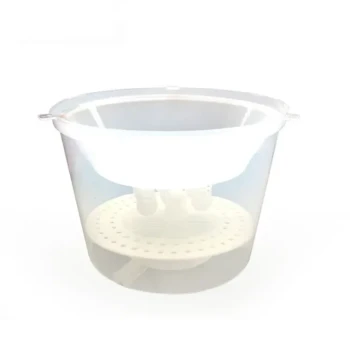
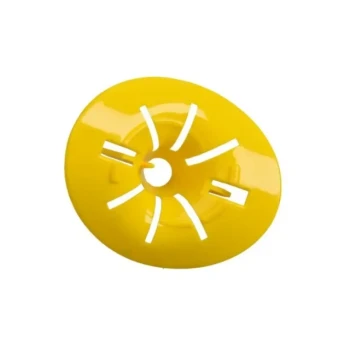
The core mechanism of a Pollen Trap is an aperture grid, often featuring specific pore sizes or star-shaped holes. This structure is placed directly in the path of returning worker bees.
Mechanical Separation
As foragers attempt to squeeze through these specific openings to enter the hive, the walls of the grid physically scrape the pollen pellets (bee bread) from their hind legs. These pellets fall into a secure collection tray below, separating the resource from the insect without harming the bee.
Non-Invasive Sampling
Crucially, this design allows for the continuous collection of biological samples without disturbing the hive's internal structure. Technicians can retrieve data without triggering defensive behaviors or altering the colony's temperature and humidity balance.
Monitoring Seasonal Pollen Flow
Tracking Flowering Dynamics
The primary role of the trap in environmental monitoring is to provide a physical record of plant phenology. By analyzing the collected pellets, technicians can identify exactly which plant species are blooming in the surrounding geography at any given time.
Assessing Nutritional Availability
The volume of pollen collected serves as a direct metric of the environment's carrying capacity. It enables the quantitative analysis of how much nutritional resource is actually available to the bees across different seasons.
Diversity Analysis
Regular collection allows for taxonomic studies to determine the diversity of pollen source plants. This data reveals whether the bees are relying on a monoculture or a diverse floral landscape, which directly impacts colony resilience.
Monitoring Population Dynamics
Gauging Foraging Intensity
The trap acts as a barometer for the colony's workforce activity. High volumes of collected pollen indicate a robust population of active foragers, while sudden drops may signal a decline in the adult bee population or a brood break.
Detecting Environmental Hazards
Pollen traps are essential for obtaining fresh samples for pesticide residue analysis. This allows managers to verify if the foraging population is being exposed to treated crops, which is a leading indicator of potential population crashes.
Understanding the Trade-offs
Nutritional Balance
While traps are excellent for monitoring, they physically remove the colony's primary protein source. Leaving a trap engaged too long can lead to nutritional stress, inhibiting brood rearing and actually damaging the population dynamics you are trying to monitor.
Sample Hygiene
Standard entrance traps can sometimes collect ground dust or bee excrement along with the pollen. Specialized designs, such as "Wall Traps," are often required to alter entry paths and elevate the collection port to ensure sanitary samples suitable for precise microbial analysis.
Making the Right Choice for Your Goal
To effectively utilize a Pollen Trap for your specific monitoring needs, consider the following:
- If your primary focus is Environmental Surveillance: Prioritize traps with star-shaped entrance holes to maximize the diversity of pollen species collected for taxonomic study.
- If your primary focus is Colony Health Assessment: Use bottom-mounted or specific grid traps to collect fresh samples for pesticide residue analysis to determine chemical exposure levels.
- If your primary focus is Pure Population Metrics: Monitor the volume of pollen (foraging intensity) over time, but ensure you employ a rotation schedule to prevent colony protein starvation.
By controlling the flow of nutrients into the hive, you gain a window into the health of the landscape and the colony simultaneously.
Summary Table:
| Monitoring Metric | Role of the Pollen Trap | Impact on Management |
|---|---|---|
| Flowering Dynamics | Identifies plant species currently in bloom via pellet analysis | Helps map local forage availability |
| Nutritional Intake | Measures the volume of protein entering the colony | Identifies periods of nutritional stress |
| Foraging Intensity | Tracks activity levels of the worker bee population | Acts as a barometer for colony strength |
| Chemical Exposure | Provides fresh samples for pesticide residue testing | Enables early detection of environmental hazards |
| Diversity Analysis | Quantifies taxonomic variety of pollen sources | Assesses landscape resilience and health |
Maximize Your Apiary’s Potential with HONESTBEE
At HONESTBEE, we understand that precision data is the backbone of a successful commercial operation. As a leading global supplier for commercial apiaries and distributors, we provide more than just equipment; we provide the tools for growth.
Our comprehensive wholesale portfolio includes high-performance pollen traps, hive-making machinery, and honey-filling systems, along with all the essential consumables your business needs to thrive. Whether you are scaling your honey production or looking for specialized hardware to streamline your workflow, HONESTBEE delivers industry-leading quality and value.
Ready to elevate your beekeeping enterprise? Contact us today to discuss our wholesale offerings and discover how our expertise can support your long-term success.
References
- Mekonnen Wolditsadik, Desta Abi. Establishing Honey Bee Floral Calendar in West Arsi and East Shewa Zones of Oromia, Ethiopia. DOI: 10.36344/ccijavs.2022.v04i03.002
This article is also based on technical information from HonestBee Knowledge Base .
Related Products
- Removable Plastic Pollen Trap With Ventilated Tray for Bees Pollen Collector
- 30 cm Plastic Entrance Hole Bee Pollen Trap and Collector
- Plastic Bee Pollen Trap Strips Comb Catcher Collector
- High-Efficiency Diamond Maze Bee Escape for Clearing Supers
- Professional Bucket Style Wasp and Moth Pheromone Trap
People Also Ask
- What are the design principles and advantages of pollen traps in the collection of bee pollen? Boost Your Apiary Yield
- What is the function of professional pollen traps in evaluating honey plants? Quantifying Pollination and Crop Potential
- What functions do pollen traps serve for bee bread production? Optimize Your Raw Material Collection
- What maintenance and pest prevention measures should be taken for pollen traps? Protect Your Hive and Harvest Quality
- How does the use of pollen traps in honeybee hives enhance crop fertilization? Boost Your Yield Through Induced Activity