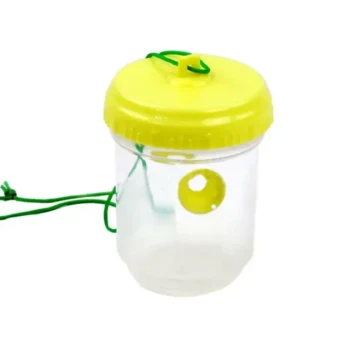
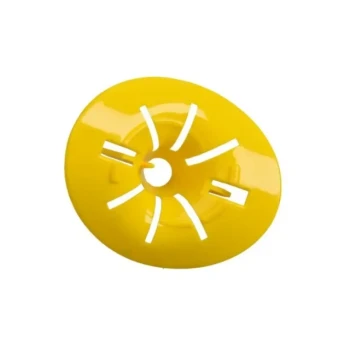
Specialized pollen-collecting devices serve as the frontline mechanism for obtaining biological samples directly from forager bees. These industrial traps intercept pollen loads at the hive entrance, allowing scientists and apiarists to measure the initial concentration of pesticides before the pollen is stored or consumed.
By capturing pollen loads immediately upon the forager's return, these devices provide the empirical data necessary to define the "pollen forager exposure fraction." This transforms abstract risk assessment models into tangible, real-time monitoring of environmental hazards.
The Role of Sampling in Risk Assessment
Isolating the Initial Concentration
The primary function of these devices is to capture pollen at the exact moment of arrival.
Inside the hive, pollen is quickly processed, stored, or consumed, which can alter its chemical composition.
By using a trap to collect the load from the forager's legs immediately, researchers obtain a snapshot of the initial concentration of pesticides. This provides an accurate baseline of what is currently circulating in the environment.
Validating Risk Models
Pesticide risk assessment relies heavily on mathematical models to predict harm.
A critical variable in these models is the pollen forager exposure fraction—essentially, a calculation of how much pesticide a foraging bee encounters compared to the total application.
Data collected from these devices provides the empirical support needed to define and validate this fraction, ensuring that safety regulations are based on real-world evidence rather than theoretical assumptions.
Operational Benefits
Real-Time Hazard Monitoring
Beyond long-term studies, these devices function as an early warning system.
Because the samples represent the immediate foraging radius of the hive, they allow for real-time monitoring of environmental hazards.
Commercial apiaries and environmental agencies can detect spikes in pesticide levels as they occur, allowing for quicker intervention strategies to protect local pollinator populations.
Standardizing Data Collection
Using specialized industrial traps ensures consistency across different study sites.
Manual collection can be variable and invasive.
Automated traps provide a standardized method for obtaining samples, which is essential for comparing data across different regions or time periods.
Understanding the Limitations
Impact on Hive Nutrition
While essential for monitoring, these devices function by stripping pollen from bees.
If left attached for too long, they can deprive the colony of protein resources needed for brood rearing.
Sampling Bias
Traps generally collect pellets that are dislodged easily.
It is important to acknowledge that smaller loads or pollen carried on the bee's body hairs (rather than in corbicular pellets) may be underrepresented in the sample.
Making the Right Choice for Your Goal
## Implementing an Effective Monitoring Strategy
To effectively use pollen traps for risk assessment, consider your specific objectives:
- If your primary focus is model validation: Ensure your sampling schedule aligns with pesticide application windows to accurately calculate the exposure fraction.
- If your primary focus is hive health: Use the devices intermittently to gather real-time data without causing nutritional stress to the colony.
Data is only as valuable as the method used to collect it; precise sampling is the key to accurate risk assessment.
Summary Table:
| Feature | Function in Risk Monitoring | Key Benefit |
|---|---|---|
| Initial Concentration | Captures pollen before hive processing | Provides an accurate baseline of environmental pesticides |
| Model Validation | Calculates the 'pollen forager exposure fraction' | Bases safety regulations on empirical, real-world data |
| Real-Time Monitoring | Detects immediate chemical spikes in foraging radius | Acts as an early warning system for hive protection |
| Standardized Trapping | Uniform sample collection across study sites | Ensures data consistency for commercial and scientific use |
Secure Your Apiary’s Future with HONESTBEE Professional Equipment
As a commercial apiary or distributor, maintaining the health of your colonies is paramount. HONESTBEE specializes in providing high-performance beekeeping tools, specialized hardware, and industrial-grade machinery designed to meet the rigorous demands of modern beekeeping. From pollen-collecting devices and hive-making machines to precision honey-filling equipment, our comprehensive wholesale portfolio ensures you have the reliable technology needed to monitor environmental risks and scale your operations efficiently.
Ready to upgrade your equipment or stock your distribution line?
Contact HONESTBEE Today to explore our full spectrum of beekeeping solutions and learn how we can bring industrial-grade value to your business.
References
- Eleonora Crenna, Peter Fantke. Characterizing honey bee exposure and effects from pesticides for chemical prioritization and life cycle assessment. DOI: 10.1016/j.envint.2020.105642
This article is also based on technical information from HonestBee Knowledge Base .
Related Products
- Removable Plastic Pollen Trap With Ventilated Tray for Bees Pollen Collector
- 30 cm Plastic Entrance Hole Bee Pollen Trap and Collector
- Plastic Bee Pollen Trap Strips Comb Catcher Collector
- High-Efficiency Diamond Maze Bee Escape for Clearing Supers
- Professional Bucket Style Wasp and Moth Pheromone Trap
People Also Ask
- What are the design principles and advantages of pollen traps in the collection of bee pollen? Boost Your Apiary Yield
- What is the function of professional pollen traps in evaluating honey plants? Quantifying Pollination and Crop Potential
- What functions do pollen traps serve for bee bread production? Optimize Your Raw Material Collection
- What maintenance and pest prevention measures should be taken for pollen traps? Protect Your Hive and Harvest Quality
- How does the use of pollen traps in honeybee hives enhance crop fertilization? Boost Your Yield Through Induced Activity