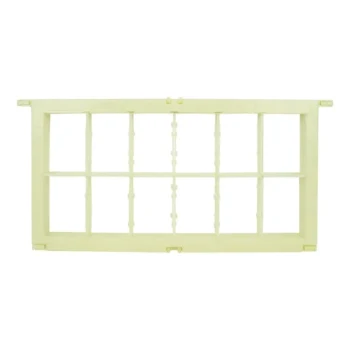
Standardized beehive frames and foundation consumables function as a scientific spatial framework that directly optimizes the distribution density of larvae within the colony. By establishing a fixed physical layout, these components significantly reduce the internal resource competition between larvae and adult bees, effectively lowering the energy cost of nursing and ensuring population stability.
The physical architecture of the hive is not just for storage; it is a regulatory mechanism for population dynamics. By standardizing the spatial distribution of larvae, these consumables lower the "nursing regulation coefficient," stabilizing the colony across changing seasons.
Optimizing Spatial Distribution and Nursing Efficiency
The Role of Physical Layout
Standardized frames and foundations provide a scientific physical layout that removes the randomness from comb construction. This structure dictates exactly where and how densely larvae can be reared. By controlling this spacing, the hive hardware ensures that the brood is distributed in a way that is accessible and manageable for nurse bees.
Reducing Internal Regulation Pressure
Within bee population models, the nursing regulation coefficient measures the stress of resource competition between developing larvae and the adult bees caring for them. Standardized components are designed to minimize this coefficient. A well-optimized layout reduces the "regulation pressure," meaning adult bees spend less energy navigating or competing for space to feed the brood.
Improving Adult Nursing Efficiency
When the physical environment is optimized, the nursing efficiency of adult bees increases. Because the spatial distribution is predictable and compact, nurse bees can attend to more larvae with less effort. This efficiency is crucial for maintaining a stable population, particularly when seasonal resources fluctuate.
Supporting Environmental and Nutritional Factors
Facilitating Beebread Production
Beyond larval spacing, frames provide organized storage for processing forage. Worker bees compress pollen into these cells, excluding air and adding salivary secretions and beneficial bacteria. This physical compression creates a micro-environment suitable for anaerobic lactic acid fermentation, transforming raw pollen into highly digestible, spoilage-resistant beebread.
Hardware for Thermoregulation
The physical structure of the hive acts as a "hardware guarantee" for survival. It provides a controlled dark space that assists bees in maintaining a constant internal temperature of approximately 37 degrees Celsius. This consistent thermal environment is a prerequisite for successful larval development and overall nursing success.
Understanding the Trade-offs
The Necessity of Precision
While standardization improves efficiency, it relies heavily on the accuracy of the "scientific layout." If the dimensions of the foundation or frames deviate from the biological optimum, the distribution density may become inefficient rather than optimized.
Dependence on Hardware Quality
The colony's ability to regulate the nursing coefficient is strictly limited by the physical constraints of the consumables. Poorly designed frames that do not support proper spacing or thermoregulation will artificially inflate regulation pressure, forcing the colony to work harder to achieve the same population stability.
Making the Right Choice for Your Goal
To leverage standardized components effectively, you must align the hardware with your colony's specific biological needs.
- If your primary focus is Population Stability: Prioritize foundation consumables that offer scientifically verified cell sizing to minimize the nursing regulation coefficient and reduce resource competition.
- If your primary focus is Nutritional Health: Ensure your frames provide structured, sturdy cells that facilitate the heavy compression required for anaerobic fermentation and beebread production.
Ultimately, the correct standardized hardware acts as a force multiplier for the colony, converting raw biological energy into efficient growth and survival.
Summary Table:
| Feature | Physical Function | Biological Impact |
|---|---|---|
| Scientific Layout | Standardized cell spacing | Minimizes internal resource competition and regulation pressure |
| Structural Framework | Fixed spatial distribution | Optimizes nurse bee efficiency by reducing energy expenditure |
| Storage Cells | Compression-ready chambers | Facilitates anaerobic fermentation of beebread for nutritional health |
| Hive Architecture | Controlled dark environment | Provides hardware guarantee for 37°C thermal regulation |
Maximize Your Colony Potential with HONESTBEE
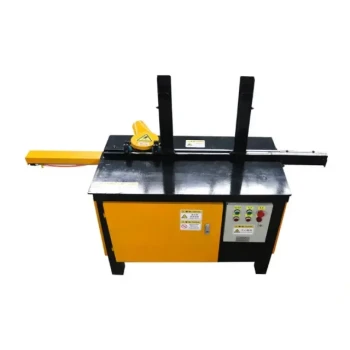
At HONESTBEE, we understand that precision-engineered hardware is the backbone of a thriving apiary. We provide commercial apiaries and distributors with a comprehensive wholesale range of high-quality beehive frames, foundation consumables, and advanced hive-making machinery. Our products are designed to reduce the nursing regulation coefficient, ensuring your colonies translate biological energy into maximum productivity. Whether you are scaling your operation or supplying the industry, our portfolio of beekeeping tools and honey-themed merchandise offers the reliability you need.
Ready to elevate your beekeeping efficiency? Contact us today to discuss our wholesale solutions and how we can support your growth!
References
- Jun Chen, Yun Kang. How to model honeybee population dynamics: stage structure and seasonality. DOI: 10.5206/mase/10559
This article is also based on technical information from HonestBee Knowledge Base .
Related Products
- HONESTBEE Wired and Assembled Wooden Bee Frames Foundation for a Thriving Hive
- Assembled Wooden Bee Frames with Plastic Foundation for Durability and Convenience by HONESTBEE
- Plastic Bee Frame Beekeeping Hive Frames for Wholesale
- Assembled Wooden Bee Frames with Beeswax Foundation Ready to Use by HONESTBEE
- Wooden Bee Hive Frames for Beekeeping and Wholesale
People Also Ask
- What role does replacing foundation and frames play in controlling American Foulbrood (AFB)? A Key to Hive Sanitation
- What is the role of frames and foundation in a bee hive? Build a Stable and Productive Apiary with Modern Design
- What is the difference between frames and foundation in a bee hive? A Guide to Hive Structure and Comb Building
- What is the purpose of frames and foundations in a beehive? Achieve a Healthy, Manageable Hive
- How do wooden and plastic hive frames compare in terms of durability? Wood vs. Plastic Longevity & Repairability