Leaving a queen bee confined for an excessive period creates a bottleneck in the colony's development. The most immediate consequence is a delay in the breeding cycle and honey production, which causes the hive's population growth to stagnate and ultimately hinders the colony's overall success and productivity for the season.
The timing of a queen's release is a balance between safety and productivity. While she must be caged long enough for the colony to accept her, every day beyond that point is a lost opportunity for egg-laying and resource gathering.
The Cost of Delayed Release
Stalled Population Growth
The primary function of the queen is to lay eggs to replace dying bees and expand the workforce. As long as she is trapped in the cage, breeding cannot begin. This results in a gap in the brood cycle, preventing the population from reaching the numbers necessary for a thriving hive.
Reduced Honey Production
Honey production is directly tied to the number of available worker bees. A delay in the breeding season means a delay in the emergence of new foragers. Without a rapidly growing workforce, the colony cannot take full advantage of nectar flows, reducing the total honey harvest.
Compromised Seasonal Success
Beekeeping is highly dependent on seasonal timing. Delays in the early stages of a queen's introduction ripple through the rest of the season. If the colony does not build up strength quickly enough, it may struggle to sustain itself or defend against pests later in the year.
Why the Cage is Necessary (Briefly)
Pheromone Acclimatization
According to standard practices, a queen typically remains in the cage for 2 to 3 days. This duration is critical because it allows the colony to adjust to her unique pheromone signature. Without this adjustment period, the existing bees would view her as an intruder.
Physical Protection
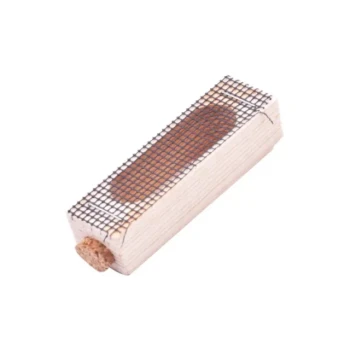
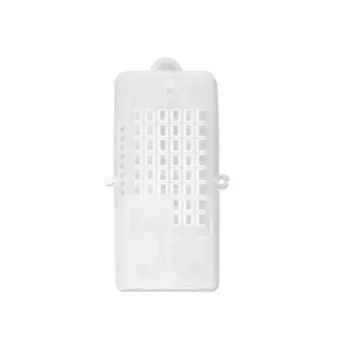
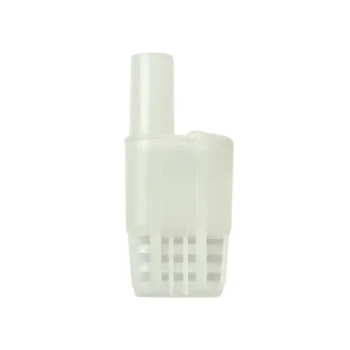
The cage serves as a physical barrier against aggression. It keeps the queen safe while the worker bees stop attacking the mesh and begin to accept her presence. Only once this aggression subsides can the cork be manually removed for her natural release.
Understanding the Trade-offs
The Risk of Rushing (Releasing Too Early)
If you bypass the necessary waiting period to speed up egg-laying, you risk the queen's life. If the colony has not fully adjusted to her pheromones, they may attack and kill her immediately upon release, setting the colony back weeks rather than days.
The Risk of Waiting (Releasing Too Late)
Conversely, leaving the queen caged after the bees have accepted her serves no purpose. Excessive caution becomes detrimental. Once the bees are feeding her through the mesh and ignoring the cage, keeping her confined strictly limits the colony's potential without adding any safety benefits.
Making the Right Choice for Your Hive
To ensure the best outcome, observe the behavior of the bees on the cage rather than watching the calendar alone.
- If your primary focus is Colony Acceptance: Ensure the queen remains caged for the standard 2 to 3 days until the bees stop attacking the mesh and accept her pheromones.
- If your primary focus is Maximizing Productivity: Remove the cork manually as soon as acceptance is confirmed to allow egg-laying to commence immediately.
The goal is to transition the queen from "intruder" to "productive mother" as efficiently as safety allows.
Summary Table:
| Consequence | Impact on Colony | Key Cause |
|---|---|---|
| Stalled Population | Gap in brood cycle; no new workers | Queen unable to lay eggs |
| Reduced Honey | Lower nectar collection capacity | Lack of foragers from delayed breeding |
| Seasonal Failure | Hive struggles against pests/winter | Population doesn't reach critical mass |
| Rejection Risk | Death of the queen | Releasing before pheromone acceptance |
| Opportunity Cost | Wasted time during nectar flow | Keeping queen caged after bees accept her |
Maximize Your Colony’s Potential with HONESTBEE
Efficiency in the hive is the difference between a record harvest and a struggling colony. At HONESTBEE, we understand the precision required by commercial apiaries and distributors. We provide a full spectrum of professional beekeeping tools, from advanced queen-rearing supplies to automated honey-filling machines and hive-making equipment. Our comprehensive wholesale offering ensures you have the high-quality hardware and essential consumables needed to scale your operations and minimize downtime.
Ready to elevate your beekeeping business? Contact us today to explore our wholesale solutions and see how our expertise can drive your productivity forward.
Related Products
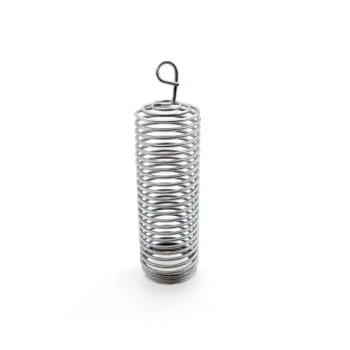
- Durable Galvanized Steel Spring Queen Bee Cage
- Classic Wooden and Mesh California Queen Cage
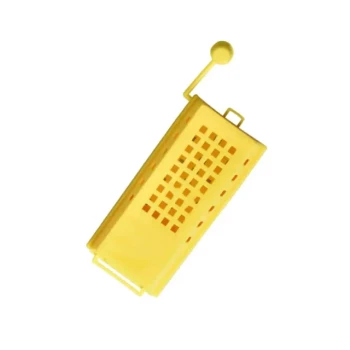
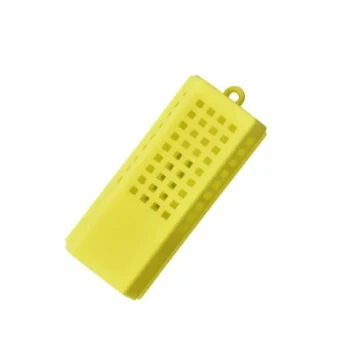
- Professional Queen Bee Introduction and Transport Cage
- Professional Queen Cage with Sliding Gate and Feeder Plug
- Professional Multi-Compartment Queen Cage with Sliding Lid
People Also Ask
- Why are specialized queen bee cages used for the banking of mated queen bees? Maximize Commercial Apiary Storage Efficiency
- What is the mechanism of action for using temporary queen bee cages? Master Successful Queen Introduction
- What is the step-by-step process for installing a queen bee's cage onto a frame? Ensure Hive Acceptance Safely
- What is the optimal placement for a queen bee cage? Essential Strategies for Successful Re-queening
- What are the advantages and disadvantages of introducing a queen bee by embedding the cage? Boost Your Queen Acceptance