Compromising on storage standards directly endangers honey purity and stability. Using substandard containers or neglecting environmental controls creates two critical risks: the leaching of hazardous substances from the container materials into the product and the triggering of irreversible, adverse chemical changes within the honey itself. To prevent contamination and ensure long-term stability, the use of high-quality, industrial-grade storage equipment is mandatory.
The preservation of honey is not a passive process; it requires active protection against contamination and degradation. Utilizing non-professional storage tanks or ignoring temperature and humidity controls inevitably leads to chemical instability and safety hazards.
The Hidden Dangers of Material Incompatibility
Migration of Hazardous Substances
When you utilize non-professional or substandard storage tanks, the vessel itself becomes a contaminant. Materials that are not industrial-grade may not be chemically inert when in contact with honey.
This leads to the migration of hazardous substances from the container walls directly into the honey. Once these substances leach into the product, the honey is permanently compromised and unsafe for consumption.
The Necessity of Industrial-Grade Equipment
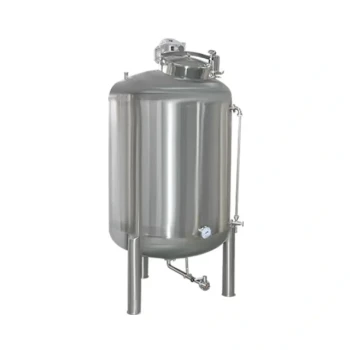
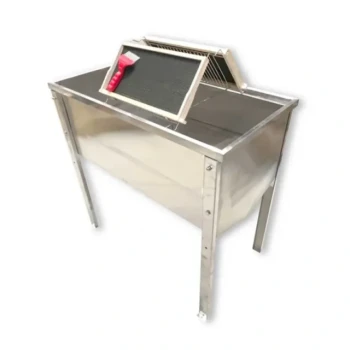
To eliminate the risk of material migration, you must rely on high-quality industrial-grade equipment.
These containers are specifically engineered to withstand the chemical properties of honey without degrading. They act as a true barrier, maintaining the separation between the storage medium and the food product.
The Impact of Environmental Neglect
Adverse Chemical Changes
Storage is not just about containment; it is about climate control. Failing to regulate the environment surrounding the storage vessels allows external variables to impact the product.
Specifically, a lack of control over temperature and humidity can catalyze adverse chemical changes within the honey. These reactions alter the fundamental composition of the product, reducing its quality and shelf life.
Losing Stability
Honey requires a stable environment to maintain its natural state. Fluctuations in the storage environment disrupt this equilibrium.
Without precise environmental controls, the honey loses its stability. This degradation can manifest as texture changes, fermentation, or a loss of nutritional value.
Understanding the Trade-offs: Cost vs. Integrity
The False Economy of Substandard Gear
It is common to view storage containers as a place to cut costs, opting for generic tanks over specialized industrial equipment.
While this reduces initial capital expenditure, it introduces a high probability of total product loss. The savings on equipment are negated by the risk of producing unsafe, contaminated honey that cannot be sold.
Complexity of Management
Implementing strict temperature and humidity controls requires energy and sophisticated monitoring systems.
While this increases operational complexity, it is the only way to guarantee a consistent product. Foregoing these controls simplifies the process but sacrifices the chemical stability required for a professional-grade product.
Making the Right Choice for Your Goal
To ensure your honey preservation process yields a safe and high-quality product, align your storage strategy with these principles:
- If your primary focus is Consumer Safety: Invest exclusively in high-quality industrial-grade storage tanks to prevent the migration of hazardous materials.
- If your primary focus is Product Stability: Implement rigorous environmental controls to regulate temperature and humidity, preventing adverse chemical reactions.
True preservation requires viewing the storage container not just as a vessel, but as a critical component of your quality control system.
Summary Table:
| Risk Factor | Impact on Honey Quality | Mitigation Strategy |
|---|---|---|
| Substandard Materials | Leaching of hazardous substances/chemicals | Use food-grade, industrial stainless steel tanks |
| Temperature Fluctuations | Adverse chemical changes & loss of nutrients | Implement climate-controlled storage environments |
| High Humidity | Fermentation and texture degradation | Maintain sealed containers and low-moisture zones |
| Non-Professional Gear | Permanent contamination and product loss | Invest in specialized beekeeping storage equipment |
Secure Your Harvest with HONESTBEE Professional Solutions
Don't let substandard equipment compromise your honey's purity or your business's reputation. At HONESTBEE, we specialize in supporting commercial apiaries and distributors with premium, industrial-grade beekeeping tools and machinery.
From high-capacity honey storage tanks designed for chemical stability to advanced honey-filling machines and specialized hardware, our comprehensive wholesale offering ensures your product remains stable from hive to market.
Ready to upgrade your storage standards? Contact us today to discover how our professional equipment and industry consumables can protect your investment and enhance your operational efficiency.
References
- Milica Živkov Baloš, Sandra Jakšić. TOXIC ELEMENTS AS A RISK FACTOR FOR THE SURVIVAL OF THE HONEY BEES (Apis mellifera L.). DOI: 10.46784/eavm.v14i2.276
This article is also based on technical information from HonestBee Knowledge Base .
Related Products
- Stainless Steel Honey Storage Tank with Lid for Honey
- Stainless Steel Honey Storage and Settling Tank with Double Strainer
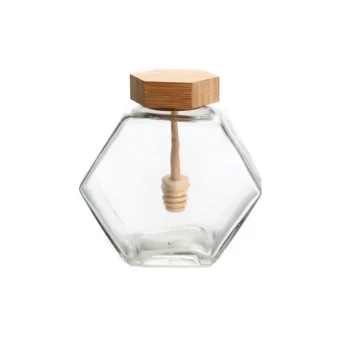
- Hexagonal Glass Honey Jar with Wooden Lid Integrated Dipper Elegant Functional Storage
- Professional Honey Storage Tank with Agitation System
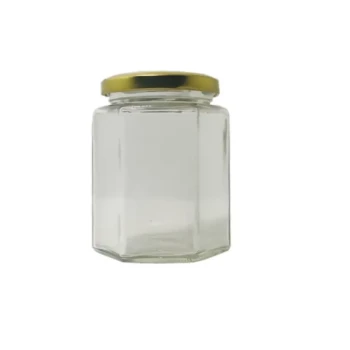
- Hexagonal Glass Honey Jars with Metal Lug Caps Elegant Versatile Packaging
People Also Ask
- What economic role do honey storage tanks play? Boost Your Revenue Through Strategic Inventory Management
- What roles do industrial honey storage tanks and filtration meshes play in processing? Ensure Purity & Consistency
- What is the purpose of a honey storage tank? Streamline Your Honey Processing for Quality & Efficiency
- What are honey storage tanks used for? Essential Features for Quality Preservation and Profit
- How do large honey storage tanks and gravity fall filling systems improve honey packaging efficiency and safety?