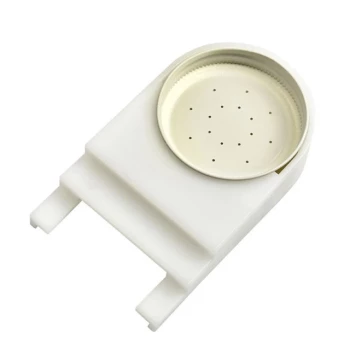
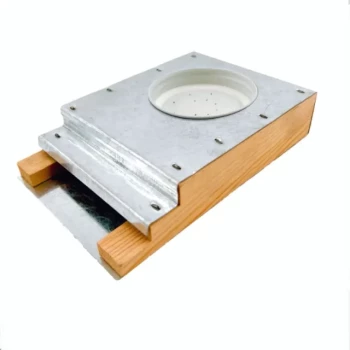
Top and internal feeders are critical hive components designed to secure colony nutrition directly within the hive structure. By locating the food source inside, these feeders protect syrup from environmental elements like rain and sunlight while simultaneously preventing theft by competing insects. Their primary operational advantage is high capacity, which significantly reduces the labor required for frequent refills compared to external entrance feeders.
Core Insight: The move to internal feeding maximizes efficiency and protection, but it introduces a critical safety hazard: fluid dynamics. The central challenge in feeder design is managing large volumes of syrup without creating a "death trap" for the colony, necessitating engineering solutions that separate the bees from the bulk liquid.
The Operational Advantages
Enhanced Protection and Security
Both top and internal feeders are situated entirely within the hive's protective shell.
This placement ensures that the feed remains uncontaminated by rain or degraded by direct sunlight.
Crucially, it denies easy access to "robber" bees or wasps from outside the colony, securing resources for your specific hive.
High-Capacity Efficiency
A defining feature of top feeders, in particular, is their volume.
They are engineered to hold significant quantities of sugar syrup, often within a shallow box design 4 to 5 inches deep.
For beekeepers managing multiple hives or larger operations, this high capacity reduces the frequency of manual refills, streamlining workflow.
Addressing the Design Challenge: Bee Safety
The Drowning Risk
The most significant design challenge associated with internal reservoirs is the risk of bee drowning.
When presented with a large, open surface of liquid syrup, bees can easily fall in, become trapped by surface tension, and perish.
Without specific mitigation features, a high-capacity feeder can inadvertently damage the colony population it is meant to support.
Engineering Solutions for Top Feeders
High-quality top feeders utilize physical barriers to manage bee access.
These designs often incorporate galvanized steel safety screens, hardware cloth, or specialized removable caps.
These mechanisms allow bees to access the syrup for feeding but physically restrict them from entering the main reservoir, preventing them from becoming trapped in the deep liquid.
Engineering Solutions for Internal Frame Feeders
Plastic frame feeders, which hang inside the hive like standard frames, address safety through surface texture.
They feature a narrow chamber design to limit fluid exposure.
More importantly, the inner walls are intentionally roughened or textured. This provides a necessary grip for the bees, allowing them to climb in and out safely without slipping into the syrup.
Understanding the Trade-offs
Leak Risks vs. Construction
While top feeders offer volume, their multi-part construction can sometimes present maintenance challenges.
In contrast, plastic frame feeders often utilize a one-piece molded structure.
This design choice provides excellent leak-proof performance, eliminating seams where syrup could seep out and damage the hive interior.
Space vs. Accessibility
Internal feeders occupy space within the hive that could otherwise be used for honeycomb.
Frame feeders take the place of a standard frame, potentially reducing the total comb area available for brood or storage.
Top feeders add height to the stack but preserve the frame count in the brood boxes below.
Making the Right Choice for Your Goal
Selecting the correct feeder depends on balancing your need for operational efficiency with the specific safety features of the equipment.
- If your primary focus is operational efficiency: Choose a high-capacity top feeder with integrated hardware cloth or safety screens to minimize refill trips while preventing drowning.
- If your primary focus is minimizing maintenance and leaks: Opt for a one-piece molded plastic frame feeder with roughened inner walls to ensure a leak-proof seal and secure footing for the bees.
Ultimately, the effectiveness of any internal feeder is defined not by how much syrup it holds, but by how safely it allows the colony to access it.
Summary Table:
| Feeder Type | Primary Advantage | Key Design Challenge | Safety Mechanism |
|---|---|---|---|
| Top Feeder | Extremely high syrup capacity; less frequent refills | High risk of drowning due to deep reservoirs | Safety screens, hardware cloth, or caps |
| Internal Frame Feeder | One-piece leak-proof design; mimics hive frames | Occupies space intended for honeycomb | Roughened/textured inner walls for grip |
Elevate Your Beekeeping Operation with HONESTBEE
Are you looking to streamline hive management and boost colony survival rates? HONESTBEE provides commercial apiaries and distributors with premium, engineered feeding solutions designed to maximize efficiency while ensuring bee safety. From high-capacity top feeders to leak-proof internal frame feeders, our comprehensive wholesale catalog covers the full spectrum of beekeeping tools, machinery, and essential consumables.
Whether you need specialized hardware like hive-making machines or honey-themed cultural merchandise, we deliver the quality and scale your business demands. Contact us today to explore our wholesale offerings and secure the best equipment for your apiary!
Related Products
- Rapid Bee Feeder White Plastic 2L Round Top Feeder for 8 or 10-Frame Bee Hives
- 3.5L Plastic Beehive Frame Feeder Deep Frame Water Feeder for In Hive Use
- HONESTBEE Square Top Hive Bee Feeder Top Bee Feeder
- HONESTBEE Round Hive Top Bee Feeder for Syrup
- HONESTBEE Entrance Bee Feeder Professional Hive Nutrition Solution for Beekeeping
People Also Ask
- What should be done with feeders and equipment after feeding bees? Essential Steps for Apiary Health
- What should be done if feed in a feeder is not consumed by the bees? Prevent Hive Mold with Prompt Feed Management
- What is the necessity of specialized internal or entrance feeders? Secure Your Hive with Professional Feeding Tools
- How do bee feeders work to preserve colony health during nectar shortages? Essential Guide for Beekeepers
- How quickly does a medium to strong colony usually empty a feeder? A Beekeeper's Guide to Hive Health