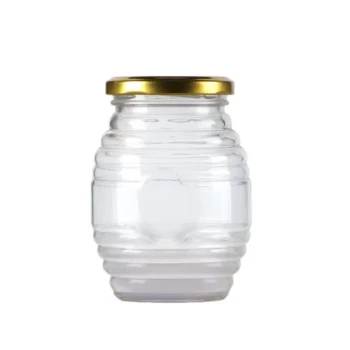
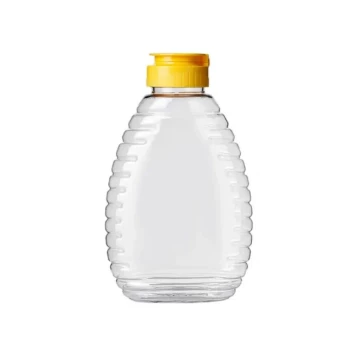
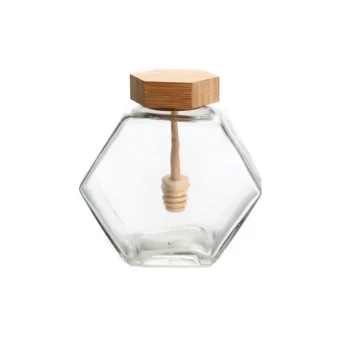
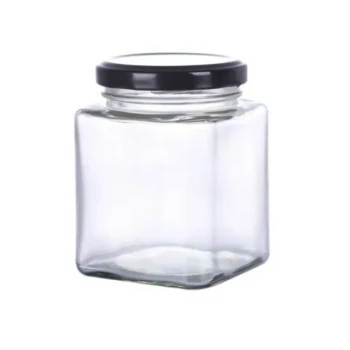
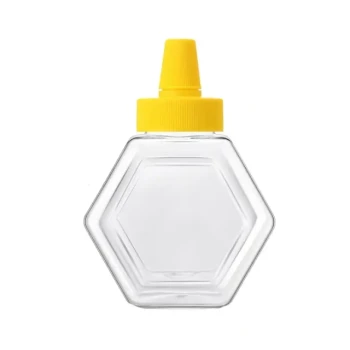
Honey packaging serves four essential functions: preserving physical quality, extending shelf life, enhancing visual presentation, and enabling brand marketing. By acting as a barrier against environmental factors like dust and moisture, it ensures the product remains pure and consumable from extraction to the table.
Effective honey packaging is more than a container; it is a critical preservation system that maintains chemical stability, prevents fermentation, and communicates brand value to the consumer.
Protecting Product Integrity and Shelf Life
Barrier Against Contamination
The most immediate benefit of packaging is physical protection. It shields the honey from external contaminants, including dust, dirt, and other environmental particulates that could compromise safety. This protection preserves the honey’s quality, whether it is in a liquid, viscous state or a crystallized form.
Preventing Spoilage and Fermentation
Honey is hygroscopic, meaning it naturally attracts and holds water molecules. Packaging provides an airtight seal that prevents the infiltration of air and humidity. Without this high-barrier protection, honey will absorb moisture from the atmosphere, which significantly increases the risk of fermentation and spoilage.
Preservation of Chemical Stability
Proper packaging materials prevent the loss of volatile aromatic substances that give honey its distinct flavor. By stabilizing the internal environment, packaging ensures the honey retains the enzymatic properties and taste profile intended by the producer.
Enhancing Marketability and Consumer Trust
Visual Appeal and Transparency
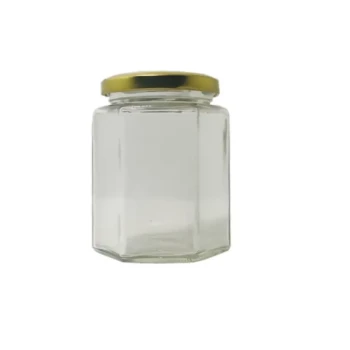
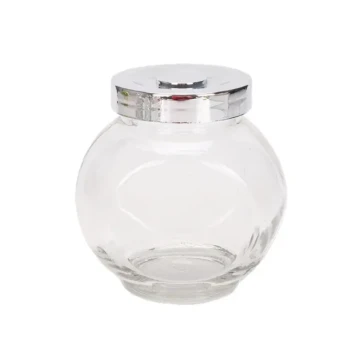
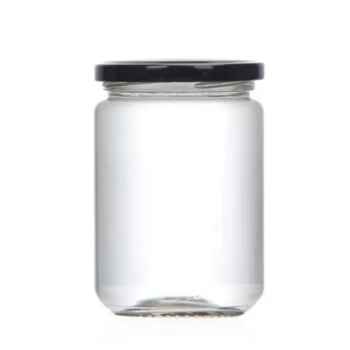
Packaging transforms a raw agricultural product into a retail-ready good. High-quality containers enhance the product's aesthetic on the shelf, making it more attractive to consumers. Materials that offer transparency, such as glass, allow buyers to directly inspect the honey’s color and purity, which is a key factor in building consumer trust.
Brand Communication
Packaging acts as a silent salesperson. The surface area of jars, bottles, or sachets provides space for labels that carry vital brand information and product details. This effectively markets the product, differentiating it from competitors and appealing to specific customer preferences through design and information.
Facilitating Distribution and Usage
Secure Global Transportation
To move honey from the apiary to the consumer, packaging secures the product for long-term storage and transport. It ensures the product remains fresh and intact through the logistics chain, preventing leaks and contamination during handling.
Adapting to Consumer Lifestyles
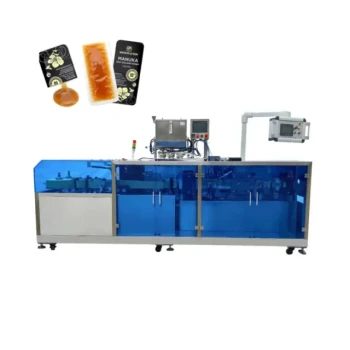
Packaging allows honey to be sold in formats that match usage behaviors. While jars suit home storage, sachets and stick packs offer single-use portability. These formats rely on advanced sealing technologies to provide convenience without sacrificing the protective barrier.
Understanding the Trade-offs
Material Limitations
While packaging is essential, the choice of material involves compromises. Glass is chemically inert and offers superior barrier properties, but it is heavy and prone to breakage during shipping. Plastic reduces weight and breakage risks but requires specific high-barrier composite films to effectively prevent oxidation and moisture ingress compared to glass.
Sustainability vs. Protection
Balancing environmental impact with preservation is a common challenge. While single-use sachets offer high convenience, they generate more waste than bulk containers. However, using post-consumer recycled resin (PCR) or recyclable glass can mitigate these environmental concerns without compromising the honey's shelf life.
Making the Right Choice for Your Goal
Selecting the optimal packaging strategy depends on balancing preservation needs with your specific market intent.
- If your primary focus is Premium Positioning: Opt for clear glass containers to leverage their inert properties and transparency, which establish immediate consumer trust and authenticity.
- If your primary focus is Convenience: Utilize high-barrier sachets or flexible pouches to meet the growing consumer demand for portability and fast-moving consumer scenarios.
- If your primary focus is Sustainability: Choose materials incorporating post-consumer recycled resin (PCR) or highly recyclable glass to minimize environmental impact while maintaining product safety.
Ultimately, the right packaging solution safeguards the biological integrity of the honey while turning a raw commodity into a trusted consumer brand.
Summary Table:
| Benefit Category | Primary Function | Key Outcome |
|---|---|---|
| Product Integrity | Barrier against air, dust, and moisture | Prevents fermentation and spoilage |
| Chemical Stability | Retention of volatile aromatics | Preserves natural flavor and enzymes |
| Marketability | Visual transparency and labeling | Enhances brand trust and shelf appeal |
| Distribution | Secure containment for logistics | Enables safe global transport and storage |
| Convenience | Diverse formats (jars vs. sachets) | Meets specific consumer lifestyle needs |
Elevate Your Honey Production with HONESTBEE
At HONESTBEE, we empower commercial apiaries and distributors with high-performance solutions designed to maximize product value. Whether you are looking for advanced honey-filling machines, specialized hive-making hardware, or a complete range of beekeeping tools and consumables, our comprehensive wholesale offering has you covered.
From preserving biological integrity to launching retail-ready brands, we provide the machinery and expertise to scale your operations. Contact us today to discover how our tailored equipment and honey-themed cultural merchandise can drive your business growth.
Related Products
- Automatic Single-Dose Snap & Squeeze Honey Sachets Packing Machine
- Fully Automatic Honey Filling Packaging Machine for Processing Line
- Hexagonal Glass Honey Jars with Metal Lug Caps Elegant Versatile Packaging
- Double Nozzle Small Honey Filling Machine Honey Sachet Packing Packaging Equipment
- Economy Small Honey Filling Machine Honey Bottle Filler Packaging Machine
People Also Ask
- What are the advantages of honey sachet packing machines? Boost Efficiency & Unlock New Markets
- What are the main functions of a honey sachet packing machine? Boost Efficiency with Automated Precision
- How does an industrial-grade honey sachet packaging machine assist beekeepers in accessing public institution markets?
- Why is automated packaging machinery essential for scaling industrial honey production? Drive Commercial Scalability
- Why is it advantageous for apiaries to be located near honey processing centers? Boost Quality and Market Reach