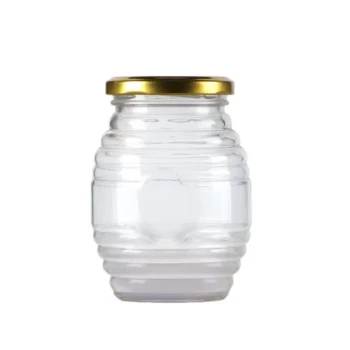
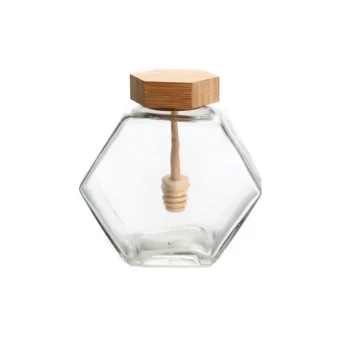
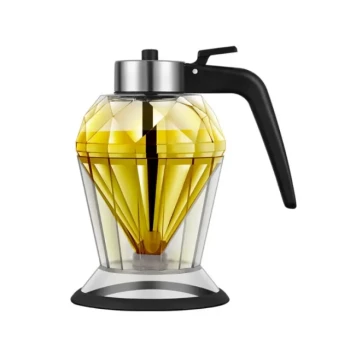
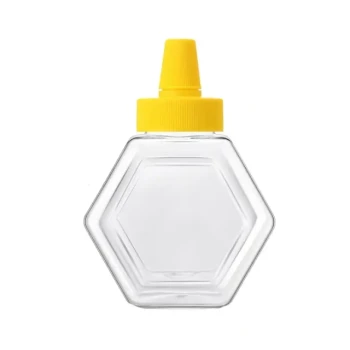
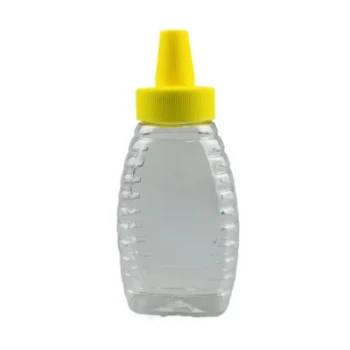
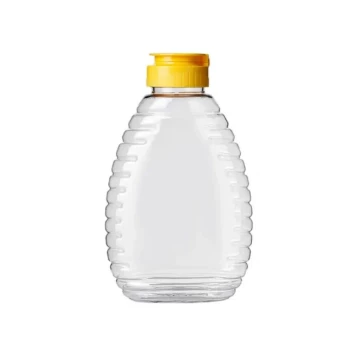
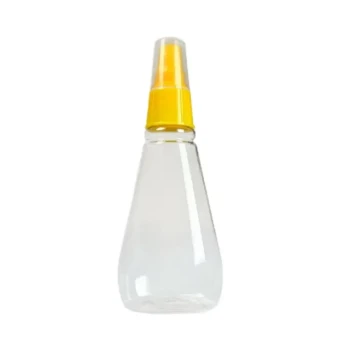
High-standard glass packaging serves as an impermeable shield for honey, offering superior chemical stability and physical barrier properties. It primarily functions to block the infiltration of oxygen and moisture, which is critical for preventing fermentation and unwanted texture changes. Beyond preservation, it acts as a verifiable indicator of quality, allowing consumers to visually confirm the product's authenticity and texture.
While the visual clarity of glass drives shelf appeal, its true technical value lies in its inert, non-porous nature. By eliminating chemical leaching and environmental interaction, glass maintains honey’s biological integrity and therapeutic properties in a way that standard plastic alternatives cannot.
The Mechanics of Preservation
Chemical Stability and Inertness
Glass is chemically neutral. Unlike some plastics, it possesses a dense molecular structure that prevents it from reacting with the honey stored inside.
This inertness is vital for purity. It ensures that no external chemical substances, such as plasticizers, migrate into the food source, maintaining the honey exactly as it was produced.
The Moisture and Oxygen Barrier
The primary threat to honey's longevity is the absorption of atmospheric moisture. High-standard glass provides an airtight seal that effectively halts the penetration of water vapor and air.
By controlling the moisture content, glass prevents the honey from fermenting or spoiling over long periods. This barrier also plays a significant role in managing crystallization rates and preventing the oxidation of delicate compounds.
Retention of Volatile Aromatics
Honey possesses complex flavor profiles and natural aromas that can dissipate if packaging is permeable. Glass traps these volatile aromatic substances inside the container.
This ensures that the sensory experience—the smell and taste—remains consistent from the moment of bottling to the moment of consumption.
Protection of Biological Activity
Raw honey often contains unstable antibacterial components, such as hydrogen peroxide, which give it medicinal value. Glass packaging protects these sensitive biological elements.
Because it blocks gas exchange and chemical migration, glass ensures the stability of honey's therapeutic efficacy better than porous materials.
Enhancing Product Integrity and Trust
Visual Verification of Quality
Consumers judge honey quality largely by its color, viscosity, and crystallization state. The transparency of high-quality glass allows for immediate visual inspection.
This transparency converts the product itself into a marketing asset, allowing the natural texture and color to verify the product's grade without the need for labeling claims alone.
Establishing Market Authenticity
Glass is implicitly associated with premium quality and environmental safety. Using glass builds immediate consumer trust regarding the authenticity of the product.
It signals to the buyer that the producer has invested in a container that will not degrade the product, distinguishing it from lower-tier offerings packaged in standard plastic.
Understanding the Trade-offs
Weight and Logistics
While functionally superior, glass is significantly heavier than plastic. This increases shipping costs and carbon footprint during transportation, which must be factored into the overall product pricing strategy.
Fragility and Safety
Glass creates handling risks due to its susceptibility to shattering. Breakage during shipping or consumer handling is a real liability that requires robust secondary packaging and careful logistics management.
Making the Right Choice for Your Goal
When selecting packaging for honey, align the material properties with your specific product objectives:
- If your primary focus is Therapeutic Value: Choose glass to ensure the retention of volatile enzymes and antibacterial properties like hydrogen peroxide.
- If your primary focus is Brand Positioning: Rely on glass to signal authenticity and allow the consumer to visually inspect the purity and texture of the product.
- If your primary focus is Long-Term Storage: Utilize glass for its hermetic sealing capabilities to prevent fermentation and spoilage over extended periods.
High-standard glass transforms honey from a simple commodity into a preserved natural resource, ensuring the product on the shelf is chemically identical to the product in the hive.
Summary Table:
| Feature | Functional Benefit | Impact on Honey Quality |
|---|---|---|
| Chemical Inertness | Zero leaching of plasticizers | Maintains biological integrity and purity |
| Hermetic Barrier | Blocks oxygen and moisture | Prevents fermentation and manages crystallization |
| Aromatic Retention | Traps volatile compounds | Preserves natural flavor profiles and scents |
| Optical Clarity | Visual verification of texture | Builds consumer trust and confirms product grade |
| Biological Shield | Protects unstable enzymes | Ensures therapeutic and medicinal efficacy |
Elevate Your Honey Brand with Professional Packaging Solutions
At HONESTBEE, we understand that high-quality honey deserves nothing less than superior protection. As a dedicated partner to commercial apiaries and distributors, we provide more than just supplies—we offer a competitive edge.
Our comprehensive wholesale range includes:
- Advanced Machinery: From precision hive-making to high-speed honey-filling machines.
- Premium Hardware: A full spectrum of durable beekeeping tools and equipment.
- Essential Consumables: Everything needed to maintain a thriving, productive apiary.
- Cultural Merchandise: Unique honey-themed products to expand your market reach.
Whether you are scaling your production or refining your retail presentation, our team is ready to support your growth with reliable equipment and expert industry knowledge.
Ready to optimize your honey production and packaging?
Contact HONESTBEE Today
References
- Hana Tadesse Kebede. Assessment on the authenticity of imported honey in Ethiopia. DOI: 10.15406/jnhfe.2018.08.00307
This article is also based on technical information from HonestBee Knowledge Base .
Related Products
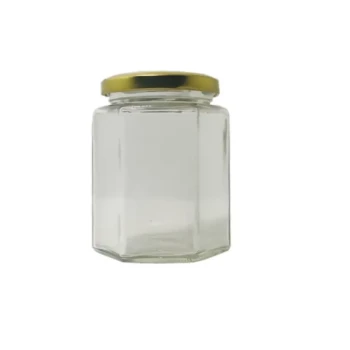
- Hexagonal Glass Honey Jars with Metal Lug Caps Elegant Versatile Packaging
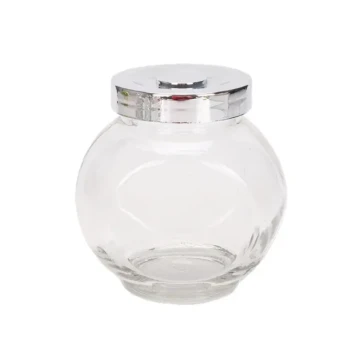
- Classic Drum Shaped Glass Honey Jar with Airtight Lid
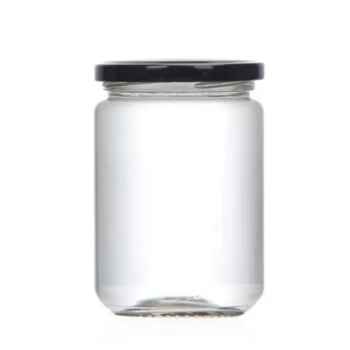
- Classic Round Glass Honey Jar with Lid
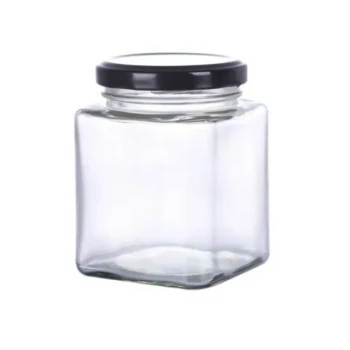
- Modern Square Glass Honey Jar with Twist Off Lid
- Classic Glass Honey Jar with Metal Lug Cap for Beehive Storage
People Also Ask
- What is the aesthetic appeal of using glass jars for honey? Elevate Your Brand with Premium Packaging
- What are the logistical challenges associated with using glass jars for honey packaging? Navigating Weight & Fragility
- What are the advantages of glass containers for honey? Elevate Quality and Market Value with Premium Packaging
- What are the technical advantages of using glass jars for honey? Master Commercial Packaging for Premium Purity
- What are the advantages of using glass jars for honey packaging? Preserve Purity & Elevate Your Brand