Modern Frame Hives function as the central hardware foundation for scalable commercial beekeeping, primarily distinguished by their movable and replaceable internal frames. This design allows producers to inspect colony health and extract resources without destroying the hive structure, acting as specialized "honey-making machines." By transitioning from traditional fixed-comb methods to this modular system, operators can significantly increase yields of both honey and beeswax while drastically reducing bee mortality.
The movable frame system transforms beekeeping from a predatory extraction process into a sustainable management science. By preserving the honeycomb during harvest and standardizing inspection, these hives serve as the critical infrastructure for economic scalability and improved colony health.
The Mechanics of Efficiency
Movable Frames and Non-Destructive Harvesting
The defining feature of these hives is the ability to remove individual frames without disrupting the rest of the colony. This allows for the use of centrifugal extraction machinery, which spins honey out while keeping the wax comb intact.
Because the comb is preserved and returned to the hive, bees do not need to consume vast amounts of energy and honey to rebuild it. This energy conservation is directly redirected into nectar foraging, increasing the honey yield-to-energy input ratio.
Standardization and Scalability
Modern hives utilize standardized dimensions for frames and "bee space." This uniformity enables the use of interchangeable parts and automated equipment across large apiaries.
By standardizing the hardware, commercial operations can streamline manual labor. This moves the industry away from subsistence farming toward high-efficiency production lines.
Impact on Yield and Colony Health
Maximizing Production Volume
The shift to frame hives drives a substantial increase in output. While traditional hives may yield under 10 kg, modern systems can average 23 kg or more per hive.
This increase is due to the combination of re-usable combs and better colony management. It supports a direct transition from local consumption to commercial market supply.
Proactive Health Management
The removable frame design grants beekeepers total access to the brood nest for inspection. This facilitates artificial swarming, queen rearing, and precise disease control.
Operators can monitor the hive for pests or health issues and intervene early. This capability significantly lowers colony mortality rates compared to traditional hives where internal issues often go undetected.
Understanding the Trade-offs
Equipment Cost vs. Operational Return
While modern frame hives offer superior yields, they represent a higher initial investment compared to traditional hives made from local materials like bamboo or logs. The "machine" aspect of the hive requires upfront capital for the hardware and associated extraction equipment.
Management Complexity
The benefits of frame hives are not automatic; they require skilled intervention. The system is designed for active management, meaning the beekeeper must possess the knowledge to perform inspections and manipulate frames correctly to realize the potential economic gains.
Making the Right Choice for Your Goal
To maximize the potential of modern Frame Hives, align your management strategy with your specific production targets:
- If your primary focus is maximizing commercial yield: Prioritize the use of centrifugal extractors to reuse drawn comb, as this minimizes the bees' energy loss and maximizes honey production speed.
- If your primary focus is colony sustainability: Utilize the movable frames to institute a rigorous inspection schedule, ensuring early detection of pests and reducing long-term colony mortality.
Modern Frame Hives are not just housing for bees; they are precision tools that convert biological potential into reliable economic output.
Summary Table:
| Feature | Traditional Hives | Modern Frame Hives | Commercial Benefit |
|---|---|---|---|
| Comb Structure | Fixed (Destructive harvest) | Movable (Non-destructive) | Preserves wax; bees save energy for foraging |
| Average Yield | < 10 kg per hive | 23+ kg per hive | Significant increase in marketable honey |
| Equipment | Simple/Local materials | Standardized/Interchangeable | Supports automation and industrial scaling |
| Health Check | Limited/Impossible | Full brood nest access | Proactive disease control and lower mortality |
Elevate Your Commercial Apiary with HONESTBEE
As a dedicated partner to commercial apiaries and distributors, HONESTBEE understands that high-efficiency honey production requires more than just bees—it requires precision hardware. We offer a comprehensive wholesale portfolio designed to scale your operations, including:
- High-Yield Frame Hives & Specialized Hardware: Standardized systems for maximum durability and interchangeability.
- Advanced Machinery: From hive-making equipment to high-speed honey-filling machines.
- Essential Industry Consumables: A full spectrum of tools and supplies to keep your production line running smoothly.
- Cultural Merchandise: Unique honey-themed products to diversify your brand's reach.
Whether you are expanding a professional apiary or stocking a distribution network, our wholesale solutions are built to drive your economic output. Contact us today to discuss your bulk equipment needs!
References
- Soresa Shuma. The Challenges and Opportunities of Honey Production Systems in Jimma Horro District Kellem Wollega Zone, Oromia, Ethiopia. DOI: 10.26717/bjstr.2020.29.004779
This article is also based on technical information from HonestBee Knowledge Base .
Related Products
- Wooden Bee Hive Frames for Beekeeping and Wholesale
- Plastic Bee Frame Beekeeping Hive Frames for Wholesale
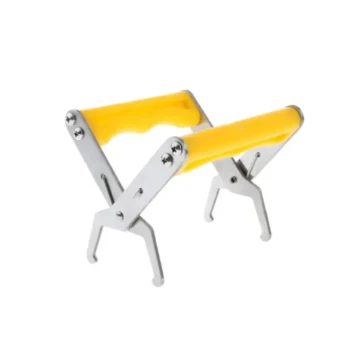
- Ergonomic High Visibility Plastic Frame Grip Handles
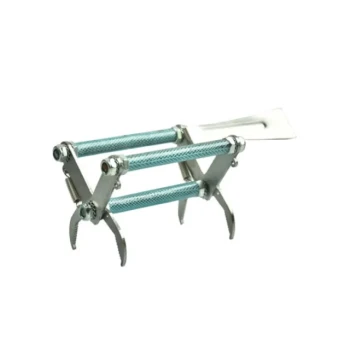
- Professional 3-Bar Frame Grip with Integrated Hive Tool
- Professional Galvanized Steel Frame Rest for Beehives
People Also Ask
- How do wooden and plastic hive frames compare in terms of durability? Wood vs. Plastic Longevity & Repairability
- How does balancing the number of frames impact hive productivity? Optimize Your Apiary's Biological Output
- What are the main considerations when choosing between wooden and plastic bee hive frames? Optimize Your Apiary's Efficiency
- How should beehive frames be maintained to prolong their lifespan? 5 Pro Tips for Durable Beekeeping Equipment
- Can I reuse old beehive frames? Save Money and Boost Hive Productivity