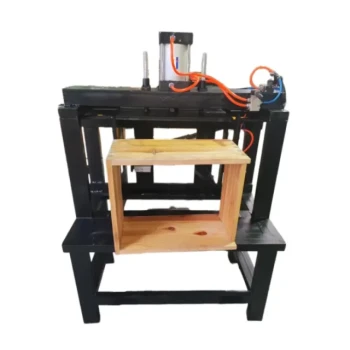
Specialized artificial hives serve as the essential infrastructure for commercializing stingless bee cultivation by providing environmental stability and operational efficiency. These hives protect colonies from predators, regulate internal temperatures, and simplify honey extraction, transforming wild-nesting behaviors into a manageable, high-yield agricultural asset for large-scale production.
Specialized hives act as precision-engineered tools that minimize bee mortality and maximize output by creating a standardized environment. This transition from wild harvesting to domesticated cultivation is the key to achieving the consistent honey yields required for B2B supply chains.
Environmental Control and Colony Stability
Maintaining Thermal Equilibrium
Stingless bees, particularly Trigona species, thrive at an optimal internal temperature of approximately 26°C. Specialized hives use advanced thermal insulation to protect the colony from external temperature fluctuations that could otherwise stall brood development.
Reducing Defensive Energy Expenditure
In natural settings, bees expend significant energy building batumen walls—defensive structures made of wax and resin. Engineered hives provide a secure, pre-sized volume that allows the colony to redirect that energy away from construction and toward reproduction and honey storage.
Simulation of Natural Habitats
High-quality artificial hives are designed to mimic the secure environment of natural tree hollows. By providing a closed and controlled environment, these structures ensure the long-term stability and health of the colony during transport and relocation.
Optimization of Commercial Yields
Facilitating Non-Destructive Harvesting
Unlike traditional wild harvesting, which often destroys the nest, specialized hives use modular designs to separate honey pots from the brood chamber. This allows for sustainable honey extraction without harming the larvae or increasing adult bee mortality.
Strategic Integration for Pollination
In integrated agricultural systems, such as tomato greenhouses or coffee plantations, these hives are easily moved and positioned. This allows operators to shorten foraging paths, significantly enhancing pollination efficiency and crop yields.
Streamlining Routine Inspections
The standardized layout of specialized hives allows for rapid response monitoring of colony health. Distributors can ensure their clients have the tools necessary to perform quick visual checks for queen productivity and food stores without disrupting the colony's internal climate.
Protecting the Asset and Managing Risk
Mitigation of Natural Threats
Artificial hives are the first line of defense against natural predators and pests that target stingless bee colonies. The reinforced structure and specialized entrance tubes prevent unauthorized access, protecting the buyer's biological investment.
Biosecurity and Disease Prevention
Standardized hive equipment facilitates easier disease prevention and sanitation protocols. Because the hives are uniform, beekeepers can implement consistent management practices across thousands of units, reducing the risk of widespread colony collapse.
Durability for Global Logistics
For wholesalers and distributors, the physical integrity of the hive is critical for efficient order fulfillment. Professional-grade hives are built to withstand the rigors of shipping while maintaining the delicate internal structures of the Trigona nest.
Navigating the Trade-offs of Artificial Habitats
The Challenge of Material Selection
While plastic or metal components offer durability, they often lack the breathability and moisture regulation of high-quality wood or specialized composites. Selecting the wrong material can lead to internal condensation, which promotes fungal growth and compromises honey quality.
Balancing Cost and Performance
Low-cost, uninsulated boxes may seem attractive for large-scale rollouts but often lead to higher colony loss during extreme weather. Distributors must weigh the initial capital expenditure against the long-term costs of colony replacement and lost production.
Dependency on Management Expertise
An artificial hive is only as effective as the technician managing it; standardized equipment can sometimes lead to a false sense of security. Users must still possess deep professional industry expertise to recognize when environmental stressors exceed the hive's protective capabilities.
Making the Right Choice for Your Goal
How to Apply This to Your Project
As a distributor or wholesaler, your choice of hive equipment directly impacts the success of your clients' operations and your reputation for quality.
- If your primary focus is maximizing honey production: Prioritize modular hive systems that facilitate non-destructive harvesting and reduce the energy bees spend on nest repairs.
- If your primary focus is agricultural pollination services: Source lightweight, durable hives that are easily transportable and designed for rapid deployment in greenhouse environments.
- If your primary focus is long-term colony resilience: Invest in hives with superior thermal insulation properties to ensure stable internal temperatures across varying climates.
By providing high-performance, scientifically designed hive solutions, you empower your clients to scale their operations with confidence and precision.
Summary Table:
| Function | Key Benefit | Commercial Impact |
|---|---|---|
| Thermal Regulation | Maintains 26°C equilibrium | Faster brood development & reduced energy waste |
| Modular Design | Non-destructive extraction | Sustainable, high-frequency honey harvesting |
| Reinforced Structure | Predator & pest mitigation | Protection of biological investments & assets |
| Standardized Layout | Rapid routine inspections | Efficient management of large-scale operations |
Scale Your Wholesale Success with HONESTBEE
Are you a distributor or B2B reseller looking to dominate the commercial beekeeping market? HONESTBEE is your premier partner for one-stop sourcing. We provide a full spectrum of professional equipment, from specialized Trigona hives and honey-filling machines to essential industry consumables.
Why Partner with Us?
- Maximize Profit Margins: Premium trading services with competitive wholesale pricing and high-yield solutions.
- Reliable Supply Chain: Ultra-fast delivery and efficient order fulfillment to ensure your clients never face downtime.
- Industry Expertise: Deep professional knowledge with OEM/ODM support to customize products for your specific market.
Contact HONESTBEE Today to access our comprehensive product portfolio and elevate your beekeeping distribution business!
References
- Gede Sidi Artajaya, Ni Ketut Erawati. PEMBERDAYAAN MASYARAKAT MELALUI PELATIHAN BUDIDAYA LEBAH MADU KELE-KELE (TRIGONA Spp.) DI DESA BATUAN KALER, KECAMATAN SUKAWATI, GIANYAR. DOI: 10.59819/sewagati.v3i2.4437
This article is also based on technical information from HonestBee Knowledge Base .
Related Products
- Queen Bee Artificial Insemination Instrument Equipment for Instrumental Insemination
- Stainless Steel Honey Bee Smoker Hive and Honeycomb Smoker for Beekeeping
- HONESTBEE Professional Hive Top Bee Feeder Feeding Solution
- Plastic Handle Single Row Artificial Fiber Bee Brush
- Wholesales Dadant Size Wooden Bee Hives for Beekeeping
People Also Ask
- Why is maintaining sanitary conditions important during artificial insemination? Protect Your Queen from Fatal Infections
- Why are artificial insemination instruments critical in bee hybridization? Master Genetic Control & Pure Breeding
- What is the core value of bee artificial insemination instruments in breed improvement? Achieve Precise Genetic Control
- Why is professional bee artificial insemination equipment considered a core tool for genetic control in honeybee breeding? Ensure 100% Purity
- Why is high-purity CO2 used for queen bee artificial insemination? Unlock Precision Breeding & Faster Egg-Laying