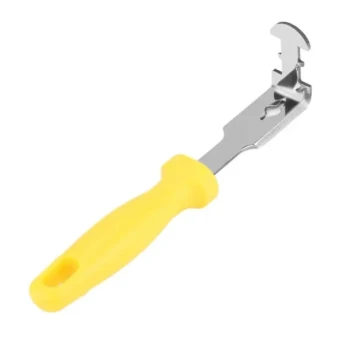
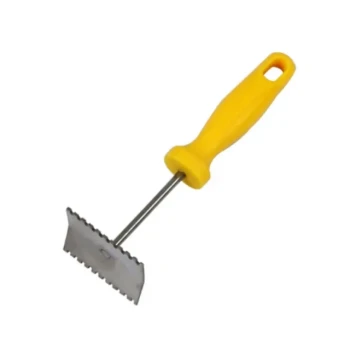
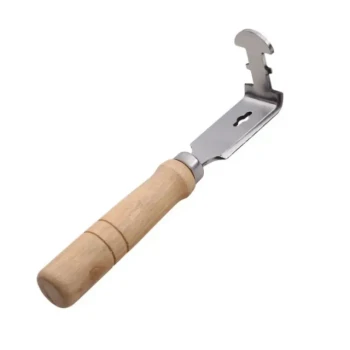
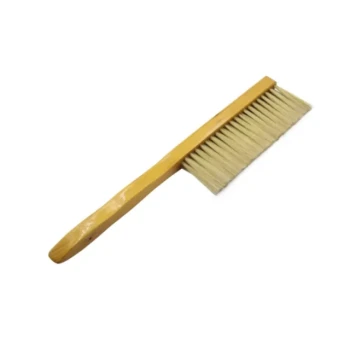
Mechanical removal is the safest approach. To clear ants from a beehive without using chemicals, you should rely on manual intervention using simple tools. Beekeepers are advised to use a hive tool to physically brush ants away or an empty bottle to scoop them out, particularly when clearing nests from hive windows.
Chemical interventions within a hive carry significant risks to the colony's health. The most effective protocol for ant removal involves precise physical displacement using tools that remove the pest without introducing toxic substances to the wax or honey.
Executing Mechanical Removal
When an invasion occurs, your goal is to physically displace the ants without disrupting the bees or contaminating the hive.
The Brushing Technique
The standard hive tool is the primary instrument for this task. It is robust enough to scrape surfaces yet precise enough to navigate the hive structure. Use the tool to firmly brush ants away from the frames and inner covers.
The Scoop and Capture Method
For more concentrated clusters of ants, specifically those found near hive windows or forming nests, an empty bottle is highly effective. This allows you to scoop the ants out of the hive environment entirely. This method is superior for removing large numbers of ants quickly without scattering them further into the hive.
Understanding the Trade-offs
While mechanical removal is safer for bees than chemical treatments, it requires more labor and vigilance.
Labor Intensity
Mechanical methods are active, not passive. You must be physically present to brush or scoop the ants, whereas chemical barriers work without supervision. This requires you to inspect the hive more frequently to ensure the ants have not returned.
Addressing the Symptom, Not the Source
Scooping and brushing remove the ants currently in the hive, but they do not seal off the entry points. While mechanical removal clears the immediate threat, it does not inherently prevent future invasions.
Making the Right Choice for Your Goal
Select your method based on the severity and location of the ant infestation.
- If your primary focus is general surface clearing: Use the hive tool to quickly brush scattered ants away from the hive structure.
- If your primary focus is removing established nests or clusters: Use an empty bottle to scoop the ants out, ensuring they are physically removed from the hive window or interior.
Mechanical precision ensures the safety of your colony while effectively managing pest intrusion.
Summary Table:
| Method | Tool Used | Best For | Benefit |
|---|---|---|---|
| Brushing | Hive Tool | Scattered ants on frames/covers | Precision & surface clearing |
| Scooping | Empty Bottle | Concentrated nests/clusters | Rapid removal from hive windows |
| Physical Removal | Manual Labor | Direct intervention | 100% chemical-free & bee-safe |
Secure Your Apiary’s Success with HONESTBEE
Protecting your colony from pests like ants is just the beginning. As a dedicated partner to commercial apiaries and distributors, HONESTBEE provides the professional-grade tools you need to maintain a thriving business.
We offer a comprehensive wholesale range, including:
- Durable Beekeeping Tools & Machinery: From precision hive tools to advanced honey-filling machines.
- Commercial Equipment: High-capacity hive-making hardware designed for scale.
- Industry Consumables: Essential supplies to keep your operations running smoothly.
- Cultural Merchandise: Unique honey-themed products to expand your retail portfolio.
Don't let pests or subpar equipment limit your yield. Contact HONESTBEE today to access premium wholesale solutions tailored for large-scale beekeeping excellence.
Related Products
- Metal Hive Feet Bee Hive Stand for Ant Protection
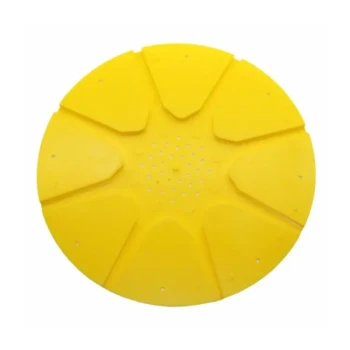
- Efficient Hive Clearing: HONESTBEE 8-Way Plastic Bee Escape
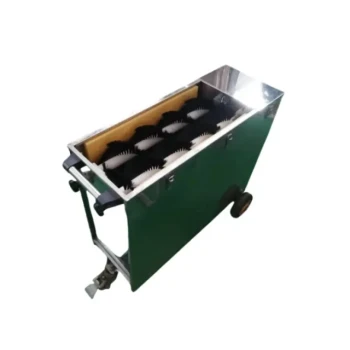
- Commercial Grade Vertical Electric Bee Sweeper for Bee Removal
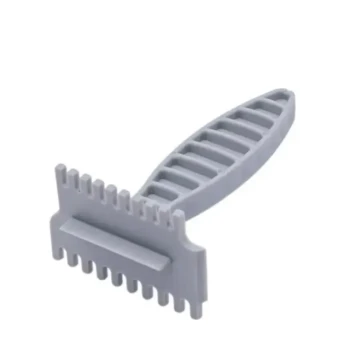
- Lightweight Durable Plastic Queen Excluder Scraper for Beekeeping
- HONESTBEE Wooden Bee Escape Board with Triangle Mesh Design for Beekeeping
People Also Ask
- What are the benefits of elevating a bee hive with a stand or base? Protect Your Colony and Your Back
- How does a beehive stand protect against predators and pests? Essential Strategies for Colony Security
- How should the height of a beehive stand be determined? Find Your Ergonomic Sweet Spot
- What to stand a beehive on? The Best Foundation for a Healthy, Manageable Apiary
- What is the best base for a beehive? Choose the Right Stand for Colony Health