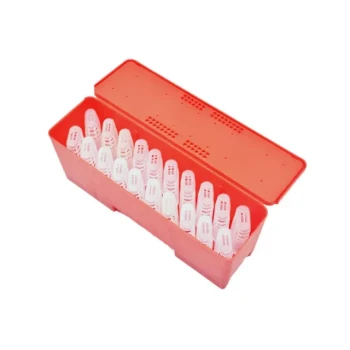
Specialized shipping containers for worker bee packages define their requirements through two priorities: superior ventilation and integrated nutrition. To ensure survival, the design must actively dissipate the metabolic heat generated by thousands of confined bees while providing continuous access to food.
The design of a bee shipping container centers on maintaining a stable microclimate through aggressive ventilation and mechanical protection. Success depends on balancing airflow to dissipate metabolic heat with secure, internal nutrition sources to sustain the colony until installation.
Critical Environmental Controls
Superior Ventilation Structures
The primary requirement for bee packaging is a ventilation system capable of supporting the respiratory needs of thousands of worker bees. Standard airflow is insufficient; the structure must be permeable enough to ensure high-volume air exchange.
Dissipating Metabolic Heat
Confined colonies generate significant metabolic heat, which can be fatal if allowed to accumulate. The container's ventilation design must actively facilitate the dissipation of this heat to prevent the package from "cooking" during transit.
Maintaining Optimal Microclimate
Beyond simple airflow, the container must maintain a microclimate that prevents stress. This involves balancing necessary air exchange with protection from extreme external weather fluctuations during transport from breeding regions to agricultural districts.
Nutritional Support Systems
Temporary Feeders
Containers must be equipped with temporary feeders to sustain the bees during long-distance transportation. These internal supplies are essential for keeping the colony biologically active and ensuring high survival rates upon arrival.
Types of Sustenance
While liquid feed is common, supplementary designs may utilize solid options like sugar candy. These food sources must be secured internally to provide constant access without leaking or shifting during handling.
Facilitating Colony Transfer
The feeder and container design must allow for the seamless removal of the bees by the customer. A well-designed package facilitates the easy transfer of the colony into permanent hives without causing injury or excessive agitation.
Structural Integrity and Safety
Robust Mechanical Protection
The container must offer substantial mechanical strength to prevent crushing. The structural frame must withstand the rigors of shipping logistics while protecting the delicate biological cargo inside.
Secure Internal Fixation
If the shipping method involves frames containing brood or food, the packaging requires rigid internal fixation. This prevents the frames from shifting, which could crush the queen or worker bees during transit.
Escape Prevention
The construction must be secure enough to strictly prevent bee escape. This ensures the safety of logistics personnel and preserves the colony's population density for the end user.
Understanding the Trade-offs
Ventilation vs. Environmental Exposure
While maximizing ventilation is critical for heat dissipation, it exposes bees to external elements. A container with insufficient mesh may lead to overheating, while one with too much exposure requires careful handling to avoid chilling the bees in cold climates.
Security vs. Accessibility
The container must be secure enough to prevent accidental opening or escape during transit, yet simple enough for the customer to open safely. Overly complex locking mechanisms can complicate the transfer process, increasing stress on the colony upon arrival.
Making the Right Choice for Your Goal
To select the appropriate packaging for your specific logistics scenario:
- If your primary focus is long-distance transport: Prioritize containers with high-capacity temporary feeders and robust internal frame fixation to sustain the colony over extended periods.
- If your primary focus is high-density shipping: Ensure the container features superior ventilation structures on multiple sides to maximize heat dissipation when packages are stacked.
- If your primary focus is user experience: Select designs that emphasize easy feeder removal and intuitive opening mechanisms to facilitate a stress-free transfer to the hive.
The ideal container is not just a box, but a life-support system that balances air exchange, nutrition, and physical protection.
Summary Table:
| Requirement Category | Key Specification | Primary Function |
|---|---|---|
| Environmental Control | High-volume ventilation mesh | Dissipates metabolic heat and ensures respiration |
| Nutritional Support | Secured internal feeders | Provides constant access to liquid feed or sugar candy |
| Structural Safety | Rigid mechanical frame | Prevents crushing and ensures secure internal fixation |
| Security | Escape-proof seals | Protects logistics personnel and maintains colony density |
| Microclimate | Balanced air exchange | Protects bees from external weather fluctuations |
Maximize Colony Survival with HONESTBEE Professional Solutions
At HONESTBEE, we understand that a bee shipping container is a vital life-support system, not just a box. As a premier partner for commercial apiaries and distributors, we provide high-performance beekeeping tools and machinery designed to meet the rigorous demands of the industry. From advanced shipping solutions that ensure high-volume ventilation to specialized honey-filling and hive-making machines, our comprehensive wholesale offering is tailored to help your business thrive.
Ready to upgrade your logistics and equipment? Contact us today to explore our full spectrum of beekeeping hardware and consumables!
References
- Anca Aurora Popovici, Mărioara Ilea. Advantages of the Product Diversification Strategy in Beekeeping Farms. DOI: 10.15835/buasvmcn-asb:10343
This article is also based on technical information from HonestBee Knowledge Base .
Related Products
- Plastic Transporting Bee Packages and Nuc Boxes for Beekeeping
- JZBZ Style Professional Battery Box with 20 Shipping Cages
- Professional Queen Bee Introduction and Transport Cage
- Classic Glass Honey Jar with Metal Lug Cap for Beehive Storage
- Langstroth Honey Bee Box Hive Boxes for Different Depths
People Also Ask
- What role do bee package boxes play in the commercial transport and expansion of honeybee colonies? - Logistic Essentials
- What are beekeeping boxes called? A Guide to Hive Bodies and Box Types
- How do standardized bee packages serve as a recovery mechanism for commercial beekeeping? Ensure Business Continuity
- What is the commercial value of using standardized bee packages? Drive Scalability in Large-Scale Apiaries
- Why is the timely introduction of high-quality bee packages critical? Save Your Apiary from Asian Hornet Invasions