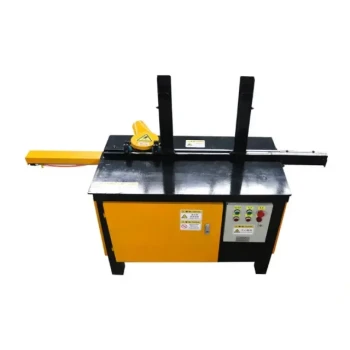
The primary structural advantage of a double-bar grafting frame is its ability to significantly increase the density of queen cell strips within a single rearing colony. By utilizing a dual-bar configuration, this design optimizes the internal volume of the hive, allowing commercial beekeepers to rear and harvest a much larger quantity of queens without expanding the physical footprint of the operation. This structure serves as a high-efficiency interface for mass production.
The double-bar design functions as a force multiplier for hive resources, enabling the simultaneous management of high-volume queen cell production while maintaining centralized access for nurse bees.
Maximizing Production Efficiency
To understand the value of the double-bar frame, one must look beyond simple capacity and consider how it impacts the workflow of commercial beekeeping.
Increased Cell Density
The most immediate benefit is the ability to attach a higher number of queen cell strips to a single frame.
Rather than being limited to a single horizontal row, the double-bar structure leverages the vertical space within the frame.
Optimization of Hive Space
Commercial operations are often limited by the number of active finishing colonies available.
Double-bar frames allow for a more intensive use of the internal hive space, turning a standard brood box into a high-output nursery.
Modular Scale
This design supports a modular approach to large-scale management.
Beekeepers can handle dozens of queen cells as a single unit within a production cycle, streamlining the harvesting process.
Resource Allocation and Quality
The structure of the frame does not just hold cells; it dictates how the colony interacts with the developing larvae.
Centralized Nursing Resources
The double-bar configuration groups larvae closely together, allowing for the efficient allocation of nursing resources.
Nurse bees can concentrate their efforts in a specific zone, rather than dispersing across a wider area to feed the same number of larvae.
Simulation of Natural Architecture
When combined with standardized wax cups, the frame simulates the physical structure of natural queen cells.
This structural mimicry induces nurse bees to concentrate royal jelly secretion specifically on the target larvae, which is critical for physiological quality.
Understanding the Trade-offs
While double-bar frames offer density advantages, they introduce specific management challenges that must be respected.
The Nutrition Bottleneck
Higher density creates a significantly higher demand for royal jelly and energy.
If the nursing colony is not strong enough, the "advantage" of more cells becomes a liability, potentially leading to underfed or lower-quality queens.
Dependency on Supplemental Feeding
Because of the concentrated load on the nurse bees, natural foraging is rarely sufficient.
As noted in the supplementary data, external feeders are essential to provide the continuous energy supply required to support the increased larval population on a double-bar frame.
Making the Right Choice for Your Goal
To determine if double-bar grafting frames are the right tool for your apiary, consider your current operational capacity.
- If your primary focus is maximum output: Implement double-bar frames to maximize the number of cells harvested per hive, provided you have robust starter/finisher colonies.
- If your primary focus is resource management: Use these frames to consolidate your nurse bee population, ensuring their energy is focused on a centralized rearing zone rather than scattered frames.
The double-bar frame is not just a holder for larvae; it is a tool for density management that, when powered by sufficient nutrition, exponentially increases the productivity of a single hive.
Summary Table:
| Feature | Advantage | Impact on Commercial Rearing |
|---|---|---|
| Dual-Bar Design | Maximized Cell Density | Higher output per hive without increasing footprint |
| Vertical Layout | Space Optimization | Turns standard brood boxes into high-output nurseries |
| Centralized Zone | Focused Nursing Resources | Efficient royal jelly allocation for high-quality larvae |
| Modular Structure | Streamlined Workflow | Simplified handling and harvesting of multiple cells |
Scaling Your Queen Production?
At HONESTBEE, we specialize in empowering commercial apiaries and distributors with the precision tools needed for high-volume success. From our advanced grafting frames and hive-making machinery to professional-grade honey-filling systems, our comprehensive wholesale catalog is designed to streamline your operations and maximize your yields.
Whether you are expanding your queen rearing program or looking to source high-quality industry consumables, we provide the hardware and expertise to help you thrive. Contact us today to explore our full spectrum of beekeeping equipment and wholesale opportunities.
References
- Gonca ÖZMEN ÖZBAKIR. The relationship between the internal and external morphological parameters of honeybee queens (Hymenoptera: Apidae) and the determination of morphological variation. DOI: 10.4314/sajas.v53i1.03
This article is also based on technical information from HonestBee Knowledge Base .
Related Products
- JZBZ Langstroth Queen Rearing Frame for Beekeeping
- HONESTBEE Top Bar & Bottom Bar Forming Machine | Bee Frame Machine
- HONESTBEE Bee Frame Grooving Machine | Precision Slotting for Bee Frame Making
- Wooden Bee Hive Frames for Beekeeping and Wholesale
- Professional Bee Frame Machine for Side Bar Shaping
People Also Ask
- Why use finishing colonies for queen cell capping? Secrets to Superior Queen Quality and Performance
- How do queen rearing frames and grafting needles function together? Master the Doolittle Method for High-Quality Queens
- What is the purpose of queen rearing frames? Master Controlled Queen Production for Your Apiary
- What are the functions of queen rearing frames and artificial queen cells? Master Bee Genetic Improvement
- What roles do professional queen rearing frames and artificial queen cells play? Scaling Your Queen Bee Production