A standard bee shipping package is a purpose-built enclosure designed to balance physical containment with biological survival. It relies on a rigid wooden frame for the top and bottom, connected by wire screen sides that ensure maximum airflow. Internally, the package houses a tin can feeder for nutrition and a suspended queen cage to safely isolate the matriarch during transport.
The architecture of a bee package prioritizes ventilation and sustenance to ensure survival during transit. By isolating the queen and providing a temporary food source within a screened wooden frame, the design facilitates safe transport and aids in eventual colony acceptance.
The External Architecture
The Wooden Frame
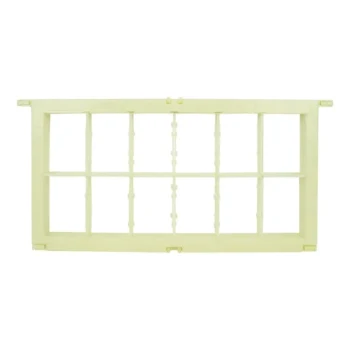
The structural skeleton of the shipping package consists of a solid wooden top and bottom.
This rigid framework provides the necessary stability to protect the colony during handling. It also serves as the anchor point for the internal components suspended within the package.
Wire Screen Ventilation
The sides of the package are constructed from durable wire mesh or screening.
This is not merely for visibility; it is a critical life-support feature. Thousands of worker bees generate significant metabolic heat and require constant oxygen.
The large surface area of the screen allows this heat to dissipate and ensures the respiratory needs of the colony are met during long-distance travel.
Internal Life Support Systems
The Tin Can Feeder
Suspended inside the package is a tin can filled with sugar water (syrup).
Because bees are cut off from foraging during transit, this temporary feeder is essential for survival. It provides the energy and hydration required to sustain the workers until they are transferred to their permanent hive.
The Queen Cage
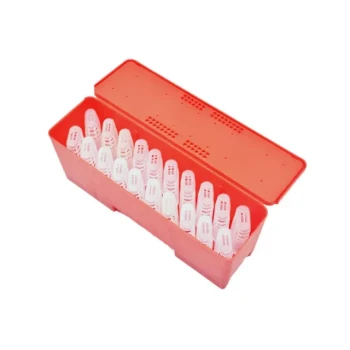
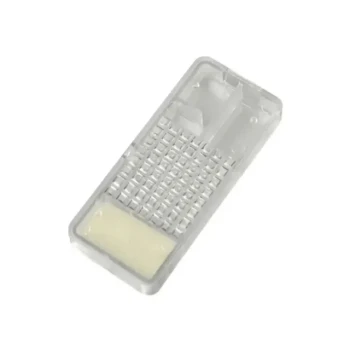
The queen is not loose among the workers; she is housed in a separate, small cage made of wood or plastic.
This component is critical for the biological success of the colony. The cage keeps the queen isolated, protecting her while the workers slowly become accustomed to her specific pheromones.
This controlled exposure is vital for preventing aggression and ensuring the colony accepts her as their leader upon release.
Understanding the Trade-offs
Ventilation vs. Exposure
While the wire screen sides are necessary for cooling, they make the package vulnerable to environmental extremes.
The open design means bees are susceptible to rain, wind chill, or extreme heat if left in direct sunlight. The package relies on the handler to regulate the external environment, as the bees cannot cluster effectively for warmth or ventilate for cooling as they would in a hive.
Finite Resources
The tin can feeder is a temporary solution with a limited volume.
It is designed strictly for the duration of standard shipping times. Delays in transit or installation can deplete this food source, risking starvation if the customer does not intervene immediately upon arrival.
Making the Right Choice for Your Goal
When receiving or handling these packages, your approach should be dictated by the condition of these specific components.
- If your primary focus is Colony Survival: Immediate verification of the tin can feeder allows you to add external syrup spray if the internal supply is exhausted.
- If your primary focus is Queen Acceptance: Ensure the queen cage remains intact and suspended, as premature release during transit can lead to the workers killing the queen.
Understanding these components ensures you can transition the colony from a shipping vessel to a thriving hive with confidence.
Summary Table:
| Component | Material | Primary Function |
|---|---|---|
| Wooden Frame | Solid Wood | Provides structural stability and protection during handling |
| Screen Sides | Wire Mesh | Ensures maximum ventilation and metabolic heat dissipation |
| Tin Can Feeder | Metal Tin | Provides essential sugar syrup for hydration and energy |
| Queen Cage | Wood/Plastic | Isolates and protects the queen while allowing pheromone dispersal |
Scaling Your Beekeeping Operation with HONESTBEE
At HONESTBEE, we specialize in empowering commercial apiaries and distributors with the high-quality equipment needed for large-scale success. Whether you are transporting colonies or setting up new production lines, we provide a comprehensive range of beekeeping tools, specialized machinery (like hive-making and honey-filling machines), and essential consumables.
Our wholesale solutions are designed to enhance your efficiency and ensure the health of your bees from transit to harvest. Maximize your apiary’s potential today—contact our expert team here to discuss how our professional-grade hardware can support your business growth.
Related Products
- Plastic Transporting Bee Packages and Nuc Boxes for Beekeeping
- JZBZ Style Professional Battery Box with 20 Shipping Cages
- Professional Queen Bee Introduction and Transport Cage
- Professional 600D Oxford Cloth Beekeeping Tool Bag with 8 Pockets and Elastic Loops
- Yellow Plastic Bucket Pail Perch for Beekeeping
People Also Ask
- What role do bee package boxes play in the commercial transport and expansion of honeybee colonies? - Logistic Essentials
- What are beekeeping boxes called? A Guide to Hive Bodies and Box Types
- How do standardized bee packages serve as a recovery mechanism for commercial beekeeping? Ensure Business Continuity
- What is the commercial value of using standardized bee packages? Drive Scalability in Large-Scale Apiaries
- Why is the timely introduction of high-quality bee packages critical? Save Your Apiary from Asian Hornet Invasions