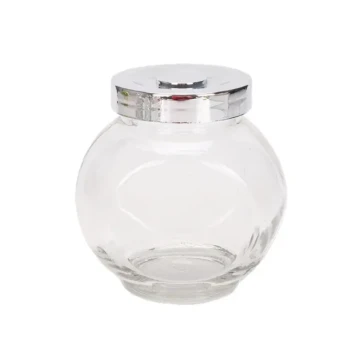
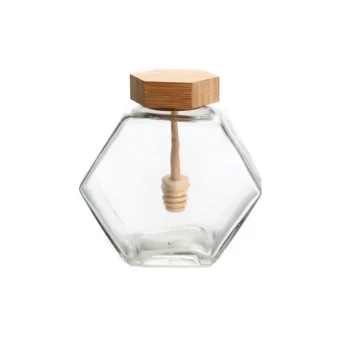
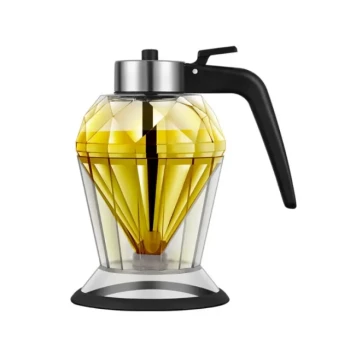
Glass packaging offers superior protection for honey's medicinal properties due to its chemical inertness and dense molecular structure. Unlike plastic, which poses a risk of leaching harmful plasticizers, glass creates an impermeable barrier that preserves unstable antibacterial components—specifically hydrogen peroxide—ensuring the honey retains its therapeutic efficacy over time.
Core Takeaway Glass acts as a non-reactive vault that maintains honey’s status as a natural medicine by preventing chemical migration and oxidation. While plastic offers convenience, it compromises biological activity; glass guarantees the stability of the enzymes and antibacterial agents that define honey's therapeutic value.
The Chemistry of Preservation
Eliminating Chemical Migration
The primary threat to honey's purity in storage is the migration of packaging materials into the product. Plastic containers, particularly over long periods, risk leaching plasticizers and other chemical substances into the honey.
Glass is chemically inert. Its dense molecular structure ensures that absolutely no foreign chemicals migrate into the honey, maintaining its original chemical composition without contamination.
Protecting Antibacterial Activity
Honey is valued medicinally for its biological activity, largely derived from unstable components like hydrogen peroxide.
Plastic packaging cannot fully protect these volatile components. Glass packaging stabilizes these antibacterial agents, preventing them from degrading. This is the critical factor in ensuring the honey functions as a therapeutic agent rather than just a sweetener.
Barrier Properties and Physical Stability
Blocking Gas Exchange
Oxidation is the enemy of biological potency. Glass provides superior barrier properties compared to plastic, effectively preventing gas exchange.
By blocking oxygen entry, glass slows down the oxidative browning process. This preserves not only the color but the integrity of the honey's antioxidants and aromatic compounds.
Preventing Moisture Intrusion
Honey is hygroscopic, meaning it naturally absorbs moisture from the air. If the water content rises too high, the honey can ferment and lose its medicinal qualities.
Glass offers an airtight seal that plastic often struggles to match over the long term. This impermeability prevents moisture intrusion, stabilizing the honey's physical and chemical indicators.
Thermal Stability During Filling
Glass withstands higher filling temperatures without deformation or chemical reaction.
This allows producers to bottle honey at optimal temperatures for hygiene without risking the structural integrity of the container or introducing heat-induced chemical leaching, which can occur with certain plastics.
Understanding the Trade-offs
Weight and Logistics
While chemically superior, glass is significantly heavier than plastic. This increases shipping costs and the carbon footprint associated with transport, which is a consideration for high-volume commercial distribution.
Fragility and Handling
Glass is chemically strong but physically fragile. The risk of shattering during handling and shipping is the primary operational disadvantage. This necessitates more robust, expensive secondary packaging materials to prevent breakage.
Transparency vs. Light Exposure
Glass offers high transparency, allowing consumers to visually inspect crystallization and purity—a marker of trust.
However, light can degrade honey's medicinal compounds. While the transparency is an aesthetic advantage, medicinal honey stored in glass must be kept in dark environments or amber glass to prevent UV degradation.
Making the Right Choice for Your Goal
To maximize the value of your product, align your packaging choice with the intended end-use of the honey.
- If your primary focus is maximum therapeutic efficacy: Choose glass packaging to ensure zero chemical leaching and the preservation of unstable antibacterial enzymes like hydrogen peroxide.
- If your primary focus is high-end retail presentation: Select high-transparency glass to showcase purity and crystallization while utilizing the material's premium "weight" to establish market trust.
- If your primary focus is logistics and cost reduction: Acknowledge that while plastic reduces weight and breakage, it compromises the long-term biological stability required for medicinal-grade honey.
Glass is not merely a container; it is an active investment in the chemical integrity and longevity of your product.
Summary Table:
| Feature | Glass Packaging | Plastic Packaging |
|---|---|---|
| Chemical Stability | Chemically inert; zero leaching | Risk of plasticizer migration |
| Gas Barrier | High; prevents oxidation | Moderate; allows gas exchange |
| Moisture Control | Superior airtight seal | Risk of moisture intrusion |
| Biological Preservation | Protects hydrogen peroxide & enzymes | Volatile compounds may degrade |
| Thermal Resistance | High; allows hot-filling | Lower; deformation risk |
| Visual Trust | High transparency/Premium feel | Varies; potential for clouding |
Elevate Your Honey Quality with HONESTBEE
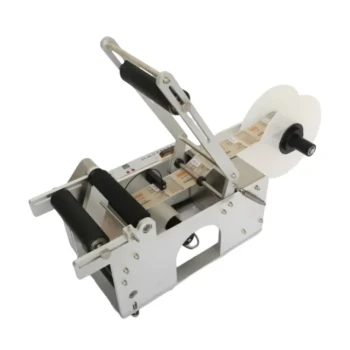
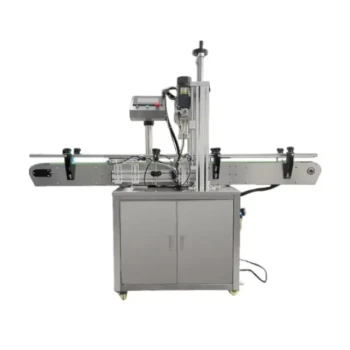
Maintaining the medicinal integrity of honey requires more than just the right bottle—it requires a professional-grade production line. HONESTBEE empowers commercial apiaries and distributors with high-performance honey-filling machines and specialized hardware designed to handle glass packaging with precision.
Whether you are scaling up your wholesale operations or looking for premium beekeeping tools and industry consumables, we provide the end-to-end equipment solutions you need to preserve your product's therapeutic value.
Ready to optimize your honey production? Contact HONESTBEE Today to explore our wholesale machinery and tools.
References
- Shilpa P. Khairmode. Study of Honey as a Sweet Remedy against Fungal Supremacy. DOI: 10.22214/ijraset.2019.12048
This article is also based on technical information from HonestBee Knowledge Base .
Related Products
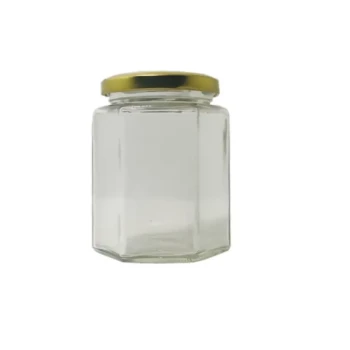
- Hexagonal Glass Honey Jars with Metal Lug Caps Elegant Versatile Packaging
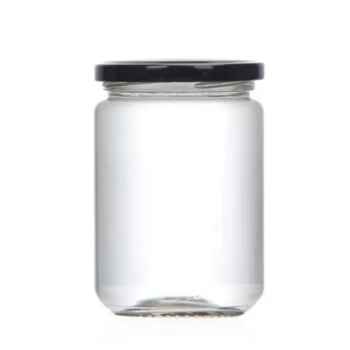
- Classic Round Glass Honey Jar with Lid
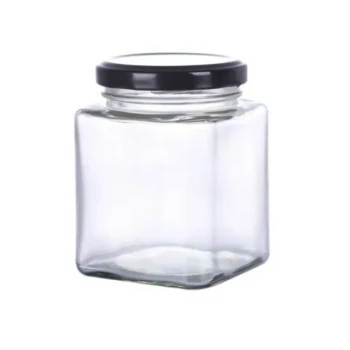
- Modern Square Glass Honey Jar with Twist Off Lid
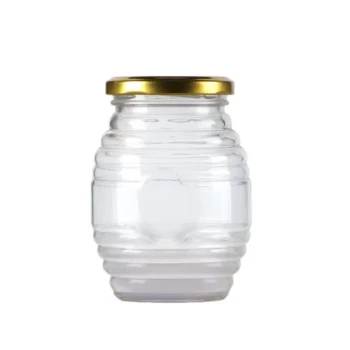
- Classic Glass Honey Jar with Metal Lug Cap for Beehive Storage
- Classic Drum Shaped Glass Honey Jar with Airtight Lid
People Also Ask
- What is the aesthetic appeal of using glass jars for honey? Elevate Your Brand with Premium Packaging
- What are the logistical challenges associated with using glass jars for honey packaging? Navigating Weight & Fragility
- What are the advantages of glass containers for honey? Elevate Quality and Market Value with Premium Packaging
- What are the technical advantages of using glass jars for honey? Master Commercial Packaging for Premium Purity
- What are the advantages of using glass jars for honey packaging? Preserve Purity & Elevate Your Brand