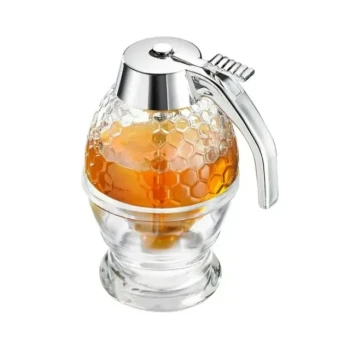
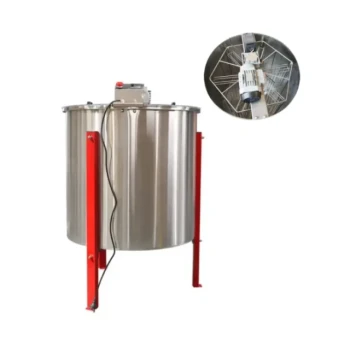
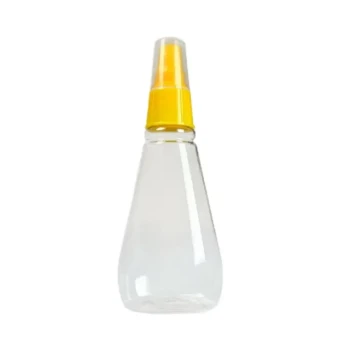
The transition to suction-based harvesting represents a critical technical advancement in the stingless bee honey industry. Unlike traditional pressing, which necessitates the destruction of hive structures, electric or manual suction pumps utilize negative pressure to extract honey directly from individual cerumen pots. This non-destructive method ensures maximum product purity, significantly reduces colony recovery time, and delivers a premium, contaminant-free honey that meets the rigorous standards required by global distributors.
Core Takeaway: Suction technology solves the fundamental problem of stingless beekeeping by enabling high-purity extraction without compromising the hive's delicate architecture. For wholesalers and resellers, this shift results in a more sustainable supply chain and a premium-grade product that commands higher market value.
Enhancing Product Purity and Hygiene
Non-Contact Extraction Technology
Suction pumps utilize a vacuum principle to enable non-contact honey collection, which is vital for maintaining professional hygiene standards. By using precision suction tubes, the honey is moved directly from the storage pots into a sealed container, preventing any exposure to external contaminants or human handling.
Elimination of Internal Contaminants
Traditional pressing often forces honey through crushed beeswax, pollen, and larval debris, leading to cloudy, unstable products. Suction harvesting prevents the rupture of bee bread (pollen) and brood cells, ensuring the final honey remains clear and free from the impurities that typically trigger fermentation or off-flavors.
Enclosed Vacuum Systems
Dedicated electric suction machines often feature fully enclosed systems that protect the honey from the atmosphere during the entire harvest process. This isolation minimizes the risk of airborne particulates entering the product, ensuring that the honey meets high-purity Technical Identity and Quality (RTIQ) standards.
Optimizing Colony Sustainability and Recovery
Preservation of Hive Architecture
Stingless bees store honey in unique waxy structures called cerumen pots, which are costly for the colony to build in terms of energy and resources. Suction pumps allow for "pinhole" extraction, leaving the overall nest architecture and brood combs intact rather than destroying them as pressing does.
Rapid Colony Recovery
Because the internal hive structure remains largely undisturbed, the colony can resume honey production and reproduction almost immediately after harvesting. This reduction in physical interference means bees do not have to divert energy toward massive structural repairs, leading to more frequent and consistent harvest cycles for the producer.
Reduced Pest Attraction and Bee Mortality
Traditional "hive-turning" or crushing methods release strong floral and honey scents that can attract pests like phorid flies or ants to the weakened colony. Suction harvesting limits scent leakage and prevents accidental bee mortality associated with crushing combs, maintaining long-term colony stability and hive health.
Operational Efficiency for Scalable Sourcing
Increased Collection Speed
For large-scale operations, high-vacuum electric pumps offer significantly faster extraction rates compared to gravity-based pressing or manual syringing. This efficiency allows producers to manage more hives per day, ensuring that distributors receive orders faster and in larger volumes.
Consistency in Product Quality
Suction technology provides a repeatable, standardized process that minimizes the human error often found in manual pressing. For B2B resellers, this translates to batch-to-batch consistency, which is essential for building consumer trust and maintaining a reliable premium brand.
Understanding the Trade-offs
Equipment Investment and Maintenance
The primary trade-off for suction technology is the initial capital expenditure for high-quality electric or manual pump systems compared to simple pressing tools. Additionally, these machines require regular sterilization and maintenance of the vacuum seals and tubes to ensure they remain a benefit rather than a source of contamination.
Power Requirements and Portability
Electric suction pumps provide the highest efficiency but require a reliable power source, which can be challenging in remote meliponaries. While manual pumps or battery-operated units offer more portability, they may sacrifice some of the "ultra-fast" processing speeds found in industrial-grade plug-in models.
How to Apply This to Your Product Sourcing
When evaluating suppliers or building a portfolio of stingless bee honey products, the harvesting method should be a primary quality indicator.
- If your primary focus is premium market positioning: Prioritize suppliers who utilize vacuum suction technology, as this ensures the highest clarity and purity levels required for top-tier retail.
- If your primary focus is supply chain stability: Seek out producers using non-destructive suction methods, as these colonies are more resilient and capable of consistent, long-term honey production.
- If your primary focus is rapid order fulfillment: Partner with wholesalers who invest in industrial electric suction equipment to ensure high-volume processing and faster delivery timelines.
By prioritizing suction-harvested honey, distributors can guarantee a technically superior product that protects both the integrity of the bee colony and the reputation of the brand.
Summary Table:
| Feature | Suction Pumps (Electric/Manual) | Traditional Pressing Methods |
|---|---|---|
| Honey Purity | Ultra-high; no debris or bee bread | Lower; likely contains wax/brood debris |
| Hive Structure | Non-destructive; pots remain intact | Destructive; requires rebuilding pots |
| Colony Recovery | Immediate resumption of honey storage | Energy diverted to massive hive repairs |
| Hygiene Level | Enclosed vacuum; food-grade contact | Open-air; high risk of contamination |
| B2B Scalability | High; standardized batch consistency | Low; labor-intensive and variable quality |
Elevate Your Beekeeping Supply Chain with HONESTBEE
Are you looking to source professional-grade honey extraction technology for your customers? HONESTBEE is the premier one-stop sourcing partner for commercial apiaries, distributors, and B2B resellers.
We provide a comprehensive full-spectrum product portfolio, including:
- Advanced Machinery: Honey-filling machines, hive-making equipment, and industrial-grade suction pumps.
- Essential Tools: A wide array of beekeeping hardware and industry consumables.
- Niche Merchandise: Unique honey-themed cultural products to diversify your inventory.
Why Partner with HONESTBEE? We understand the needs of wholesalers—offering competitive profit margins, OEM/ODM support, and ultra-fast delivery to ensure your orders are fulfilled efficiently. Leverage our deep professional expertise and rapid response times to stay ahead in the market.
Contact Our Export Experts Today to access premium wholesale offerings and scale your beekeeping business.
References
- Hadinoto Hadinoto, Sri Rahayu Prasetyaningsih. Pengusahaan Lebah Madu Kelulut bagi Pengurus Masjid Ash-Shiddiq Pekanbaru. DOI: 10.59837/jpmba.v2i6.1156
This article is also based on technical information from HonestBee Knowledge Base .
Related Products
- Honey Convey Pump Screw Honey Pump for Viscous Liquid
- Honey Convey Pump Economy Gear Pump for Viscous Liquid
- Electric Honey Press Machine for Squeezing Honey Comb Press Equipment
- Automatic Honey Filling and Filtering Machine for Beekeeping Bottle Filling
- Premium Diamond-Faceted Glass Honey Dispenser
People Also Ask
- How do modern technologies and machinery benefit honey extraction? Elevate Efficiency & Product Quality
- What are the different types of honey pumps available? Manual vs. Electric Pumps for Beekeeping Efficiency
- What is the role of honey pumps in honey processing? Preserve Quality and Boost Efficiency
- Why are honey pumps considered essential in the honey transfer process? Streamline High-Viscosity Liquid Handling
- What types of pumps are used in honey processing systems? Optimize Your Production with the Right Technology