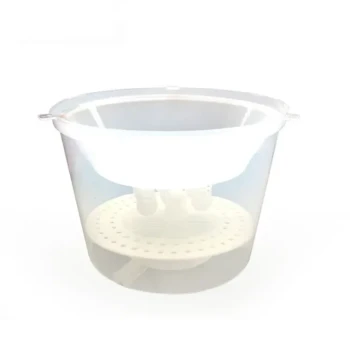
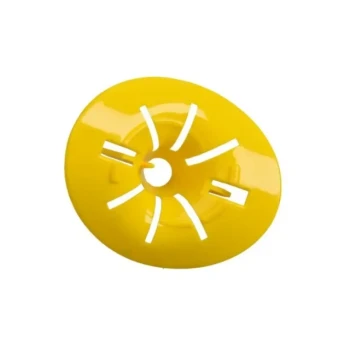
Fiber and pulp-based materials offer a significant technical advantage by replicating the tactile and atmospheric conditions of a natural hollow. These materials utilize specific textures and inherent breathability to create an environment that is biologically attractive to scout bees. Furthermore, the integration of chemical pre-treatments allows these organic materials to resist decay, ensuring they remain structurally sound during the critical swarm season.
The core technical value of fiber traps lies in their ability to simulate a natural nesting cavity through superior breathability and texture, while utilizing fungicidal treatments to prevent structural failure in humid outdoor environments.
Mimicking the Natural Nesting Environment
Optimizing Texture for Scout Acceptance
Scout bees assess potential nesting sites based on physical properties. Fiber and pulp materials provide a specific surface texture that synthetic materials often lack. This texture simulates the rough, organic interior of a natural tree hollow, making the trap significantly more attractive to investigating scouts.
The Role of Breathability
Pulp-based bodies allow for air exchange through the material itself. This breathability prevents the buildup of condensation and stale air. By regulating the internal microclimate, the material ensures the trap remains dry and habitable, a key factor in a scout bee's decision-making process.
Engineering for Outdoor Resilience
Combating Environmental Degradation
While pulp is inherently biodegradable, technical modifications are required for outdoor utility. These trap bodies are typically pre-treated with fungicides. This chemical engineering is essential to counteract the material's natural tendency to decompose when exposed to elements.
Preventing Mold and Rot
High heat and humidity create ideal conditions for mold growth, which would repel bees and destroy the trap. The fungicidal treatment actively inhibits mold spores and rot. This ensures the trap maintains its structural integrity throughout the entire monitoring period, rather than collapsing or becoming contaminated mid-season.
Understanding the Trade-offs
Reliance on Chemical Treatments
The durability of these traps is not intrinsic to the raw pulp but is a result of chemical additives. Without the fungicidal pre-treatment, the material would likely fail in humid conditions. Users looking for strictly organic, untreated materials must be aware that these specific traps rely on these additives for their longevity.
Finite Structural Lifespan
The primary reference notes that integrity is ensured "throughout monitoring periods." This implies that unlike permanent wooden ware, these materials are designed for a finite operational window. They excel during the swarm season but are engineered for temporary monitoring rather than permanent housing.
Making the Right Choice for Your Goal
To determine if fiber-based traps are the right technical solution for your apiary, consider your specific objectives:
- If your primary focus is maximizing swarm acceptance: Rely on fiber traps for their superior texture and breathability, which closely mimic natural cavities.
- If your primary focus is durability in humid climates: Ensure you select traps that are explicitly pre-treated with fungicides to prevent premature rot and mold.
By leveraging the bio-mimicry of fiber materials, you align your equipment with the biological instincts of the swarm.
Summary Table:
| Feature | Technical Advantage | Impact on Swarm Success |
|---|---|---|
| Surface Texture | Replicates rough tree hollows | Increases scout bee acceptance and attraction |
| Breathability | High air exchange through pulp | Regulates microclimate and prevents condensation |
| Pre-treatment | Fungicidal chemical engineering | Prevents mold, rot, and structural failure in humidity |
| Bio-mimicry | Natural organic composition | Aligns trap properties with biological instincts |
Scale Your Apiary Operations with HONESTBEE
Are you looking to maximize your swarm capture rates or expand your wholesale beekeeping inventory? HONESTBEE is a leading partner for commercial apiaries and distributors worldwide. We provide a comprehensive suite of professional-grade tools, from biologically optimized fiber swarm traps to advanced honey-filling machines and specialized hive-making hardware.
By choosing HONESTBEE, you gain access to a robust supply chain of durable beekeeping machinery and essential industry consumables designed for high-volume efficiency. Let us help you optimize your production and profitability—contact our expert team today to discuss your wholesale requirements!
References
- Michael K. O’Malley, Catherine M. Zettel Nalen. Swarm Trapping for Pest Control Operators. DOI: 10.32473/edis-in785-2009
This article is also based on technical information from HonestBee Knowledge Base .
Related Products
- HONESTBEE Collapsible Tiered Bee Swarm Catcher for Beekeeping
- HONESTBEE Professional Telescopic Pole Bee Swarm Catcher
- 30 cm Plastic Entrance Hole Bee Pollen Trap and Collector
- Plastic Bee Pollen Trap Strips Comb Catcher Collector
- Removable Plastic Pollen Trap With Ventilated Tray for Bees Pollen Collector
People Also Ask
- What should be done if the swarm is situated on the bottom of a tree limb? A Guide to Methodical Bee Capture
- What role do swarm catchers play in maintaining the production scale of an apiary? Turn Colony Loss into Growth.
- What role does a Swarm Catcher play in the process of expanding apiary colony scale? Optimize Growth & Reduce Costs
- What information should be gathered before attempting to catch a swarm of bees? A Safe and Successful Guide
- What precautions can be taken to prevent a newly captured swarm from absconding? Secure Your Swarm with Proven Methods