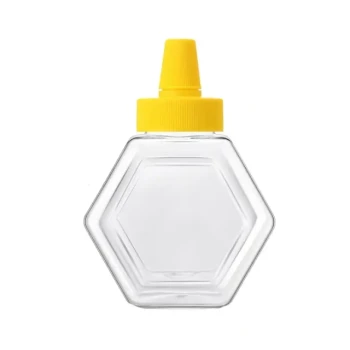
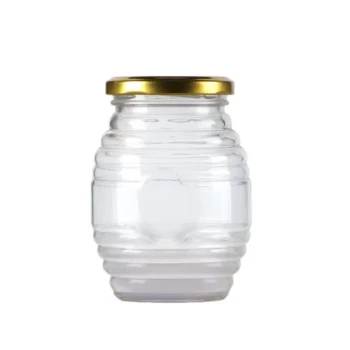
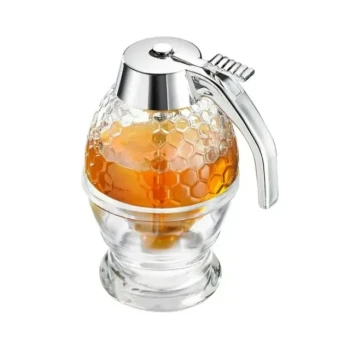
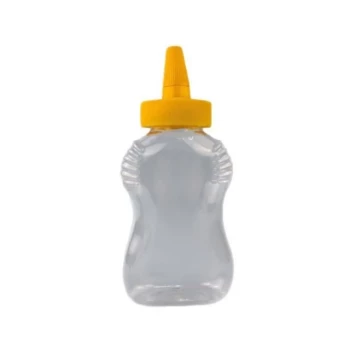
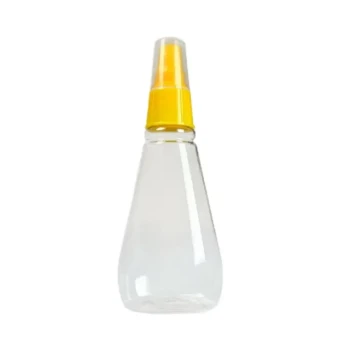
Switching to food-grade plastic containers for honey collection and storage provides a superior moisture barrier and enhanced hygiene compared to traditional gourds. These containers leverage advanced sealing technology to neutralize honey’s hygroscopic nature, preventing atmospheric moisture absorption that leads to premature fermentation. By utilizing non-porous, chemically stable materials, distributors can ensure that honey maintains its original flavor, color, and physicochemical profile throughout the entire supply chain.
Central Takeaway: Food-grade plastic containers provide the technical sealing and structural integrity necessary to preserve honey quality, reduce logistics-related losses, and meet the rigorous hygiene standards required for international distribution and export.
Superior Physicochemical Protection
Neutralizing Honey's Hygroscopic Nature
Honey is highly hygroscopic, meaning it naturally attracts and absorbs moisture from the surrounding environment. Traditional gourd containers are often porous, allowing water vapor to seep through and increase the honey’s water content.
Food-grade plastic containers offer an airtight seal that effectively blocks atmospheric moisture. This physical barrier is critical for preventing the honey from reaching a moisture level where natural yeasts can trigger premature fermentation and spoilage.
Maintaining Chemical Stability
Unlike organic gourd materials or untreated clay, high-quality plastic is chemically inert. This prevents unwanted chemical reactions between the honey and its container, ensuring a shelf life that can safely exceed one year.
Industrial-grade containers protect the product from oxidation and light exposure. This preservation of the honey’s natural enzymes and antioxidants is a key quality indicator for high-end B2B buyers.
Hygiene and Purity Standards
Eliminating Odor Contamination
Traditional gourds often rely on sealing materials like cow dung or ash mixtures, which can introduce foreign odors and impurities. These organic seals compromise the sensory profile of the honey and lower its market value.
Food-grade plastic is non-porous and odor-resistant, ensuring the honey retains its original floral aroma. For distributors, this purity is essential for maintaining brand reputation and meeting premium consumer expectations.
Ease of Sanitization and Sterilization
Plastic containers are designed for rapid cleaning and reuse, meeting strict international hygiene protocols. Their smooth internal surfaces prevent the buildup of microbial biofilms that are common in the uneven, fibrous interior of gourds.
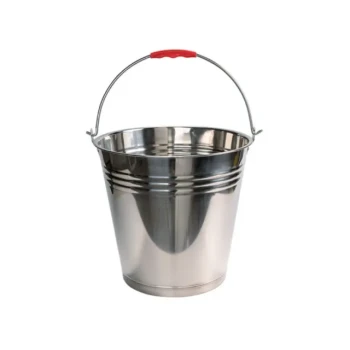
Professional-grade collection equipment is a fundamental requirement for achieving export-quality certification. Utilizing standardized plastic buckets allows producers to demonstrate a controlled, sanitary production environment to global wholesalers.
Logistics and Supply Chain Efficiency
Impact Resistance and Durability
Traditional gourds and clay pots are inherently fragile and prone to cracking during transport across rugged terrain. High-impact plastic significantly reduces breakage rates, protecting the distributor’s investment during the "last mile" of collection.
The leak-proof performance of modern plastic lids ensures that product loss is minimized during heavy handling. This reliability is a cornerstone of efficient order fulfillment and high-volume distribution.
Weight Reduction and Cost Optimization
Plastic is significantly lighter than traditional ceramic or thick-walled gourd containers. In the context of long-distance shipping, this weight reduction translates directly into lower transportation costs and higher profit margins for resellers.
Furthermore, the uniform shape of industrial plastic containers allows for efficient stacking and palletization. This maximizes warehouse space and streamlines the logistics process from the apiary to the processing center.
Understanding the Trade-offs
Material Quality Risks
Not all plastics are suitable for honey; using non-food-grade or recycled plastics can lead to chemical leaching. Distributors must verify that containers are BPA-free and certified for food contact to avoid contaminating the product with phthalates or heavy metals.
Environmental and Thermal Considerations
Plastic containers have a higher thermal sensitivity than thick organic gourds and should be stored away from direct sunlight to prevent warping or localized heating of the honey. While gourds are biodegradable, the long-term durability of plastic provides a different type of sustainability by reducing product waste due to spoilage and breakage.
Making the Right Choice for Your Goal
Implementation Strategies for Distributors
Successful honey distribution requires a balance between cost-efficiency and product integrity. Choosing the right container depends on your specific market tier and logistics infrastructure.
- If your primary focus is international export: Utilize certified food-grade plastic buckets with tamper-evident seals to meet global safety standards and ensure maximum purity.
- If your primary focus is reducing logistics overhead: Prioritize lightweight, stackable HDPE (High-Density Polyethylene) containers to minimize shipping costs and prevent transit breakage.
- If your primary focus is retail display: Opt for high-transparency PET (Polyethylene Terephthalate) containers that allow wholesalers to visually verify the honey’s color and clarity before purchase.
By integrating these professional-grade storage solutions into your supply chain, you ensure a stable, high-quality product that meets the demands of a modern, globalized honey market.
Summary Table:
| Feature | Traditional Gourd Containers | Food-Grade Plastic Containers | Business Impact |
|---|---|---|---|
| Moisture Barrier | Porous; high risk of fermentation | Airtight sealing technology | Extended shelf life & stability |
| Hygiene Standard | Organic seals; prone to odors | Non-porous & odor-resistant | Meets international export codes |
| Durability | Fragile; prone to cracking | High-impact & leak-proof | Reduced breakage & product loss |
| Logistics | Heavy & irregular shapes | Lightweight & stackable (HDPE) | Lower shipping costs & easier storage |
| Sanitization | Difficult to sterilize | Rapid cleaning & reusable | Ensures high purity & brand trust |
Scale Your Honey Distribution with HONESTBEE
Maximize your profit margins and ensure supply reliability with HONESTBEE, your premium partner for one-stop sourcing. We cater specifically to commercial apiaries and B2B distributors, offering a comprehensive full-spectrum portfolio—from food-grade storage solutions and honey-filling machines to specialized hive-making hardware.
Why partner with us?
- Deep Industry Expertise: Professional guidance on OEM/ODM support and international certifications.
- Operational Excellence: Ultra-fast delivery and rapid response times to keep your supply chain moving.
- Quality Guarantee: Premium trading services ensuring every tool and consumable meets rigorous standards.
Contact our expert team today to streamline your procurement and elevate your honey brand's market value!
References
- B Abebe, Adissu Tadele Megerssa. Assessment of post-harvest handling and quality of honeybee products along the value chain in SNNPR, Ethiopia. DOI: 10.33545/2664844x.2021.v3.i2a.54
This article is also based on technical information from HonestBee Knowledge Base .
Related Products
- Food Grade Plastic Honey Bucket Pail for Beekeeping
- Plastic Honey Gate Spout with Wing Nut for Beekeeping Honey Bucket
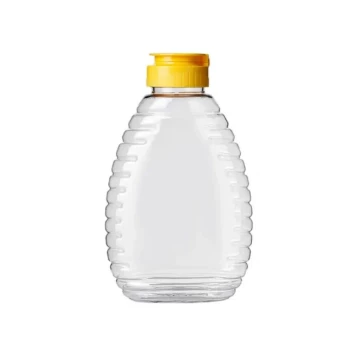
- Squeezable No-Drip Beehive-Shaped Honey Jars with Flip-Top Cap
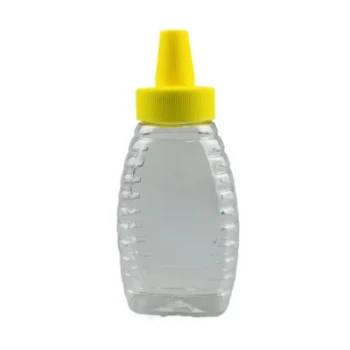
- Classic Beehive Honey Bottle Jar with Squeeze Dispenser Lid
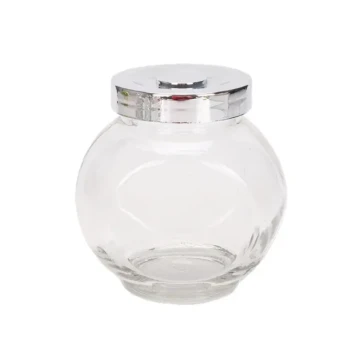
- Classic Drum Shaped Glass Honey Jar with Airtight Lid
People Also Ask
- What key operational precautions should be taken when using honey buckets and extractors fitted with bottom drain taps?
- What functions do food-grade honey buckets perform? Safeguard Your Harvest and Optimize Apiary Logistics
- Why are food-grade plastic buckets preferred for honey? Protect Quality with Modern Honey Collection Tools
- What is the significance of food-grade plastic honey collection buckets? Boost Quality in Forest Honey Logistics
- What is a honey pail? The Essential Container for Protecting Your Honey's Value