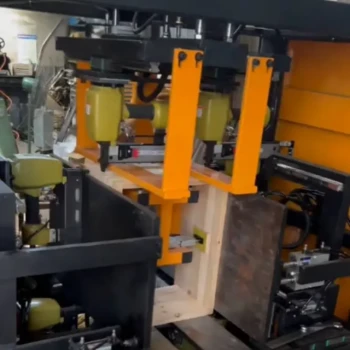
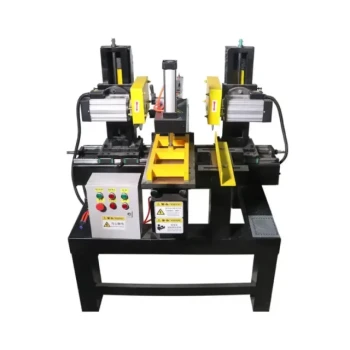
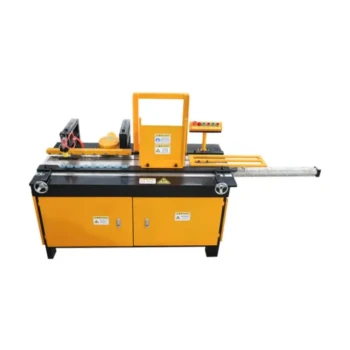
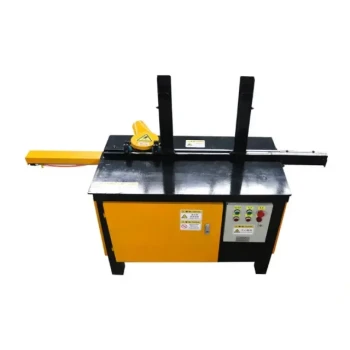
High-precision hive-making machines fundamentally transform apiary construction by delivering standardized beekeeping tools with uniform specifications and exceptional structural stability. This technical precision serves as the critical foundation for large-scale management, enabling the use of mechanized operations that significantly reduce maintenance costs and facilitate the rapid scalability of commercial apiaries.
Core Takeaway The shift to high-precision machinery allows for the mass production of strictly standardized components, which is the prerequisite for modern industrial beekeeping. This uniformity enables total interchangeability of parts and compatibility with automated extraction lines, while simultaneously creating biologically optimized habitats that improve bee survival rates.
Enabling Industrial-Scale Operations
Achieving Perfect Component Interchangeability
The most immediate technical benefit is the production of standardized specifications, such as ISI standards. Manual construction often leads to slight variances, but precision machines ensure that hive bodies, gates, and stands have identical dimensions.
This allows for the seamless interchangeability of frames and boxes across thousands of different colonies. Beekeepers can exchange combs or replace parts between hives without compatibility issues, drastically reducing logistical complexity.
Facilitating Mechanized Workflows
Standardized hardware is a prerequisite for introducing automation into the apiary. Precision-made components ensure compatibility with automated honey extraction equipment and mechanized frame management systems.
When hive dimensions are consistent, tasks such as mechanized loading and unloading during transport become efficient and safe. This reduces labor intensity and streamlines asset management, allowing fewer staff to manage larger numbers of colonies.
Accelerating Infrastructure Expansion
Mechanized manufacturing significantly increases the production speed of beehives compared to manual methods. This capability meets the infrastructure demands required for the rapid expansion of large-scale apiaries, particularly during critical seasons like spring colony expansion.
Optimizing the Biological Environment
Species-Specific Habitat Design
High-precision machines are capable of creating habitats that align with the specific biological characteristics of different bee populations. They can be adjusted to produce structures optimized for the distinct needs of Western or Eastern honeybees.
Enhanced Environmental Control
Accurately constructed beehives play a critical role in regulating internal temperature and humidity. By minimizing gaps and ensuring tight structural fits, these machines produce hives that improve airflow management.
Improving Colony Survival Rates
The structural consistency provided by machine manufacturing directly contributes to better colony health. Improved environmental regulation and optimized internal airflow help maximize production potential and generally improve bee survival rates.
Economic and Maintenance Efficiency
Reducing Maintenance Costs
Standardization effectively reduces the long-term maintenance costs associated with apiary management. Uniform parts are easier to replace and repair, reducing the labor and material costs typically caused by inconsistent equipment specifications.
Shortening Capital Recovery
While the machinery represents an investment, the production of standardized hardware can lower overall initial investment costs through efficiency. The operational gains and reduced labor costs often shorten the capital recovery period to approximately two years.
Understanding the Trade-offs
Initial Capital vs. Long-Term Gain
Transitioning to high-precision machinery requires a significant upfront investment in equipment compared to manual construction or purchasing cheaper, non-standard hives. However, this cost must be weighed against the two-year capital recovery period and the operational savings from standardization.
The Risk of Scaled Errors
Precision machinery is powerful, but it requires precise configuration. If the machines are set to specifications that do not align with the local bee species (e.g., using Western specifications for Eastern bees), the error is replicated across thousands of units, potentially harming the entire operation.
Making the Right Choice for Your Goal
To maximize the value of high-precision hive-making machinery, align your production strategy with your primary operational objectives.
- If your primary focus is Operational Efficiency: Prioritize machine settings that adhere to strict international standards (like ISI) to ensure full compatibility with automated honey extraction lines and frame exchange workflows.
- If your primary focus is Rapid Scalability: Leverage the mass-production capabilities to stockpile standardized components ahead of the season, ensuring zero downtime during spring colony expansion and migration.
By standardizing the physical structure of the hive, you are not just building boxes; you are engineering a scalable system that secures both biological health and operational viability.
Summary Table:
| Technical Advantage | Key Benefit to Large-Scale Operations |
|---|---|
| Component Interchangeability | Seamless replacement of parts & boxes across thousands of colonies |
| Mechanized Compatibility | Integration with automated honey extraction & transport systems |
| Biological Optimization | Improved temperature/humidity control for higher bee survival rates |
| Production Speed | Rapid infrastructure expansion for seasonal colony growth |
| Maintenance Efficiency | Lower long-term labor costs through standardized hardware specifications |
Scale Your Beekeeping Enterprise with HONESTBEE
Transitioning to industrial-scale beekeeping requires more than just tools—it requires precision engineering. HONESTBEE empowers commercial apiaries and distributors with the high-precision machinery and standardized hardware needed to achieve total operational efficiency.
From advanced hive-making and honey-filling machines to a full spectrum of specialized beekeeping equipment and industry consumables, our portfolio is designed to shorten your capital recovery period and maximize colony health. Whether you are expanding your infrastructure or streamlining your wholesale supply chain, we provide the technical foundation for your success.
Ready to modernize your operations? Contact HONESTBEE Today for a Professional Consultation
References
- Institute of Veterinary Medicine of NAAS of Ukraine, NGO Foundation of Women Beekeepers. BEEKEEPING AS A FUNDAMENTAL ELEMENT OF SUSTAINABLE AGROECOSYSTEMS AND FOOD SECURITY. DOI: 10.64378/iriush.sc.2025.1.1
This article is also based on technical information from HonestBee Knowledge Base .
Related Products
- High-Efficiency Pneumatic Bee Hive Making Machine for Rapid Box Assembly
- Automatic High-Speed Bee Hive Box Stapling Machine
- Beehive Machine Double End Saw for Precision Hive Component Manufacturing
- HONESTBEE Professional Long Handled Hive Tool with Precision Cutting Blade
- Beehive Handle and Frame Rest Cutting Machine: Your Specialized Hive Machine
People Also Ask
- How does the introduction of professional beehive-making machinery benefit sustainable beekeeping? Scale Your Apiary
- Why is specialized beehive-making machinery critical for low-defense breeding? Enhance Selection with Precision Tools
- How does the introduction of specialized beehive making machinery contribute to increasing the scale of regional beekeeping industries?
- What is the importance of specialized beehive making machinery in a circular bio-economy? Build Local Sustainability
- Why is specialized beehive-making machinery essential? Scale Your Apiary with Precision Industrial Standards