Industrial-grade separation and filtration technologies are the essential bridge between raw hive material and the high-standard requirements of the global pharmaceutical and cosmetic sectors. By utilizing precision mechanical processing, these systems efficiently eliminate soil, plant debris, and resinous impurities while preserving the delicate bioactive compounds—such as antioxidants and antimicrobial agents—that define the medicinal value of geopropolis.
Core Takeaway: Professional processing equipment ensures the technical standardization of geopropolis, transforming a variable raw material into a high-purity, bioactive-rich ingredient that meets the rigorous quality benchmarks of B2B resellers and industrial manufacturers.
Precision Engineering for Maximum Purity
Eliminating Soil and Physical Contaminants
Stingless bee geopropolis naturally contains significant amounts of soil and plant debris due to the bees' unique building habits. Industrial-grade separation equipment utilizes mechanical force to isolate these impurities far more effectively than manual methods, ensuring the final extract is free of inorganic matter. This high-efficiency cleaning is critical for maintaining the transparency and consistency required for premium product formulations.
Preventing Multi-Product Cross-Contamination
In stingless bee hives, propolis, honey, and pollen are often physically interconnected within complex nest structures. Professional material separation tools physically isolate the viscous resinous propolis from food stores during the harvesting phase, preventing the secondary contamination of honey or pollen. This technical precision preserves the commercial value of all hive by-products, allowing for a more diverse and profitable product portfolio.
Preservation of Bioactive Integrity
Precision Control via Laboratory-Grade Extraction
Specialized equipment, such as ultrasonic-assisted extractors and rotary evaporators, provides granular control over extraction temperatures and solvent densities. This level of precision is vital because the pharmacological components of geopropolis—including sensitive antioxidants and anti-inflammatory substances—can degrade under improper heat. By maintaining optimal processing environments, industrial machinery ensures the maximum retention of bioactive molecules.
Enhancing Bioavailability through Particle Management
Advanced processing often involves ultra-fine grinding or specialized filtration to manage the particle size of the resinous material. These methods increase the specific surface area of the propolis extract, which significantly improves the release rate of nutrients and essential amino acids. For the B2B sector, this translates to a superior raw material that offers higher efficacy in functional health products.
Meeting Global Industrial Standards
Standardization for Pharmaceutical and Cosmetic Use
Manual processing lacks the repeatability required for large-scale industrial supply chains. Industrial filtration systems produce a standardized output that meets the rigorous hygiene and chemical profiles demanded by high-tech industries. This standardization allows distributors to offer a reliable, high-quality supply that can be seamlessly integrated into pharmaceutical manufacturing lines.
Minimizing Raw Material Waste
Traditional manual squeezing and filtration methods often lead to significant loss of valuable resins and bioactive fluids. Modern machinery maximizes the extraction yield from every kilogram of raw geopropolis, reducing waste and ensuring a more stable return on investment. This efficiency is a hallmark of deep-processing capabilities that foster sustainable and responsible production.
Understanding the Trade-offs and Pitfalls
The Risk of Over-Processing
While high-efficiency filtration is necessary for purity, excessive processing can sometimes strip away trace elements that contribute to the "full-spectrum" profile of geopropolis. It is essential to balance purity with biochemical complexity to ensure the extract retains its unique species-specific properties.
Complexity and Initial Capital Investment
Industrial-grade equipment requires a higher level of technical expertise and a larger initial investment compared to traditional beekeeping tools. However, for wholesalers and distributors, the trade-off is a significant reduction in long-term operational risk and the ability to command premium prices in the global market through superior product quality.
How to Apply This to Your Sourcing Strategy
Strategic Recommendations for B2B Partners
- If your primary focus is Pharmaceutical Grade Supply: Prioritize suppliers utilizing ultrasonic-assisted extraction and rotary evaporation to ensure maximum bioactive retention and chemical stability.
- If your primary focus is High-Volume Cosmetic Manufacturing: Look for separation processes that guarantee the total removal of physical impurities and soil, ensuring a clear and consistent raw material for formulations.
- If your primary focus is Full-Spectrum Health Supplements: Focus on processing methods that utilize high-frequency grinding to enhance bioavailability without the use of harsh chemical solvents.
By leveraging industrial-grade processing, you ensure your geopropolis products transition from a niche hive byproduct to a standardized, high-value industrial asset.
Summary Table:
| Feature | Technical Advantage | B2B Market Benefit |
|---|---|---|
| Precision Engineering | Removes 99% of soil and plant debris | High-clarity extracts for premium cosmetics |
| Bioactive Preservation | Maintains sensitive antioxidants/enzymes | Higher medicinal value and efficacy |
| Particle Management | Enhances bioavailability via ultra-fine grinding | Superior nutrient release in health products |
| Standardized Output | Repeatable chemical and hygiene profiles | Reliable supply for pharmaceutical manufacturing |
| High-Yield Extraction | Minimizes waste of resinous raw material | Increased ROI and sustainable production |
Scale Your Propolis Processing with HONESTBEE
Are you looking to bridge the gap between raw hive materials and high-value industrial ingredients? HONESTBEE is the premier partner for commercial apiaries and B2B distributors worldwide. We provide a one-stop sourcing solution that covers the entire beekeeping spectrum—from specialized hardware like honey-filling and hive-making machines to high-quality industry consumables.
Why B2B Partners Choose HONESTBEE:
- Comprehensive Portfolio: Access all the machinery and tools needed for professional-grade stingless bee product processing.
- Deep Industry Expertise: Our team understands the rigorous standards of the pharmaceutical and cosmetic sectors.
- Rapid Fulfillment: Benefit from ultra-fast delivery and efficient order processing to keep your supply chain moving.
- Dedicated Service: Exceptional customer support tailored to the needs of wholesalers and large-scale resellers.
Ready to enhance your production efficiency and market competitiveness?
Contact Our Experts at HONESTBEE Today
References
- Juliana Loureiro Almeida Campos, Vinícius Albano Araújo. Factors affecting the use and preference of stingless bees in the state of Rio de Janeiro, Brazil: implications for conservation. DOI: 10.15451/ec2025-07-14.26-1-15
This article is also based on technical information from HonestBee Knowledge Base .
Related Products
- Stainless Steel Triangle Support Honey Strainer and Filters
- Professional Stainless Steel Honey Filtering Machine with Water Bath Heating for Beekeeping
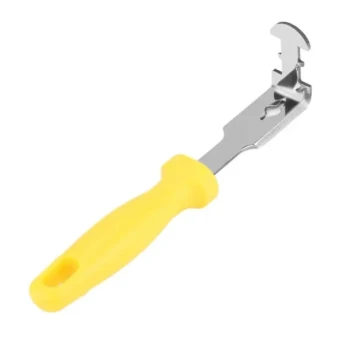
- Heavy Duty Stainless Steel Frame Cleaner with Plastic Handle
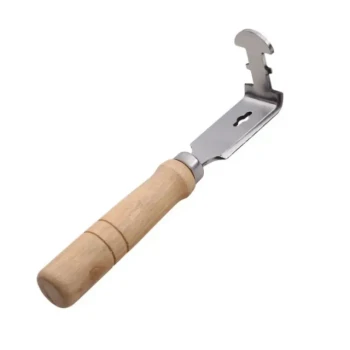
- Professional Stainless Steel Frame Cleaner with Ergonomic Wood Handle
- Stainless Steel Double Layer Honey Strainer Sieve Filters
People Also Ask
- Why is stainless steel preferred for honey strainers? Ensure Purity and Durability for Your Honey
- What can I use to strain honey? A Beekeeper's Guide to Choosing the Right Filter
- What is the easiest way to strain honey? A Simple Guide for Hobbyist Beekeepers
- What is the primary function of a honey strainer in beekeeping? Achieve Commercial Purity & Visual Clarity
- Why is straining an essential step in honey processing? Master the Key to Pure, Market-Ready Honey Harvests