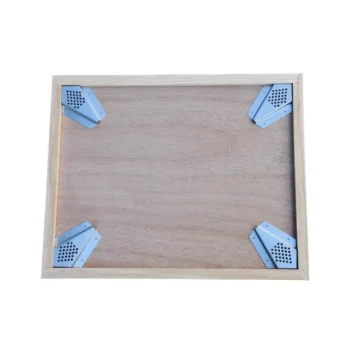
Radio Frequency Identification (RFID) offers a superior technical advantage by automating the tracking of individual honeybees with precision and scale. By utilizing tags and readers at the hive entrance, this technology replaces error-prone manual observation with a non-contact system capable of generating massive, objective datasets regarding colony activity.
RFID transforms hive monitoring from a labor-intensive task into a data-driven science. It enables the collection of continuous, objective data on foraging and health trends without disrupting the natural behavior of the colony.
Moving Beyond Manual Observation
Automating Data Collection
Traditional methods of monitoring hive activity rely heavily on manual observation. This approach is time-consuming, labor-intensive, and limited by the observer's stamina.
RFID technology removes the human element from data capture. It allows for continuous, 24/7 monitoring of entrance and exit activities without the need for a physical presence at the hive.
Non-Contact Identification
Manual handling or close-range observation can stress the colony or alter behavior. RFID utilizes a non-contact identification process.
Readers detect tags as bees pass through specific points. This ensures that the data collected reflects natural behavior, uninfluenced by human interference.
Unlocking High-Fidelity Data
Individual Granularity
The primary technical strength of RFID is the ability to track the individual. Unlike simple motion detectors that count general activity, RFID tags distinguish unique bees.
This allows researchers to build specific profiles for individual foragers. You can track exactly which bee left, when it returned, and how frequently it performs these tasks.
Massive Data Volume and Objectivity
Manual counts are subject to human error and bias. RFID systems generate massive amounts of objective activity data.
Because the system records every tagged event automatically, the dataset is far larger and more statistically significant than what manual sampling can achieve. This objectivity is critical for validating scientific hypotheses regarding bee behavior.
Applications for Colony Insight
Analyzing Foraging Behavior
The data provided by RFID is essential for understanding the complexities of foraging.
By analyzing entry and exit timestamps, you can determine trip duration and frequency. This helps map the efficiency and habits of the colony's workforce.
Monitoring Long-Term Health Trends
Colony health is rarely static; it fluctuates over seasons and lifecycles.
RFID data allows for the assessment of long-term health trends. By observing changes in activity levels over time, hive managers can identify potential health issues or declines in colony vigor early on.
Understanding the Implementation Trade-offs
Hardware Dependencies
While the data is superior, RFID requires specific infrastructure.
You must install readers at the hive entrance and attach individual tags to the bees. This setup requires initial technical configuration compared to simple visual inspections.
Data Management Requirements
The advantage of "massive amounts of data" brings a processing challenge.
Users must be prepared to handle and analyze large datasets. Raw data from the readers must be processed effectively to derive meaningful insights about behavior and health.
Leveraging RFID for Your Research Goals
To maximize the value of RFID technology, align the data output with your specific objectives:
- If your primary focus is behavioral research: Utilize the individual tracking capabilities to map specific foraging durations and frequencies for unique bees.
- If your primary focus is colony management: Rely on the objective, long-term activity trends to detect early warning signs of declining colony health.
RFID technology provides the technical foundation necessary to move from observing the hive to truly understanding the complex dynamics within it.
Summary Table:
| Technical Feature | Manual Observation | RFID Technology |
|---|---|---|
| Data Collection | Labor-intensive / Manual | Automated / 24/7 Continuous |
| Tracking Detail | General activity counts | Unique individual identification |
| Objectivity | Subject to human error/bias | 100% Objective dataset |
| Interference | Potential colony stress | Non-contact / Non-intrusive |
| Data Volume | Limited sampling | Massive, statistically significant |
| Best Use Case | Visual spot checks | Behavioral research & health trends |
Elevate Your Apiary Operations with HONESTBEE
At HONESTBEE, we empower commercial apiaries and distributors with the advanced tools needed to scale and modernize. Whether you are conducting precision research or managing large-scale honey production, our comprehensive wholesale portfolio has you covered.
Our Value to You:
- Precision Machinery: From hive-making to honey-filling machines for maximum efficiency.
- Complete Tooling: A full spectrum of beekeeping equipment and essential consumables.
- Industry Merchandise: Unique honey-themed cultural goods to expand your retail reach.
Ready to integrate smarter solutions into your beekeeping business? Contact us today to explore our wholesale offerings and discover how we can help you achieve data-driven success.
References
- Володимир Толмачов, Євгеній Маринченко. ПРАКТИЧНЕ ВИКОРИСТАННЯ ПЛАТФОРМИ ARDUINO У БДЖІЛЬНИЦТВІ. DOI: 10.52058/2786-6025-2024-11(39)-1064-1072
This article is also based on technical information from HonestBee Knowledge Base .
Related Products
- HONESTBEE Entrance Bee Feeder Efficient Hive Front Liquid Feeding Solution for Beekeeping
- HONESTBEE Entrance Bee Feeder Professional Hive Nutrition Solution for Beekeeping
- HONESTBEE Professional Entrance Bee Feeder Hive Nutrition Solution
- Multi-Functional Sliding Hive Entrance for Beekeeping
- Beehive Entrance Discs Plastic Bee Entrance Disc for Bee Hives
People Also Ask
- What types of bee feeders are available for beginners? Start with the Simple Entrance Feeder
- What are the advantages and disadvantages of using an entrance feeder for bees? Balance Convenience and Hive Security.
- What is a bee entrance feeder and what are its drawbacks? Essential Guide to Hive Security and Feeding Efficiency
- How does a bee entrance feeder work? A Simple Guide to Convenient Hive Feeding
- How to make an entrance feeder for bees? A DIY Guide for Safe & Effective Feeding