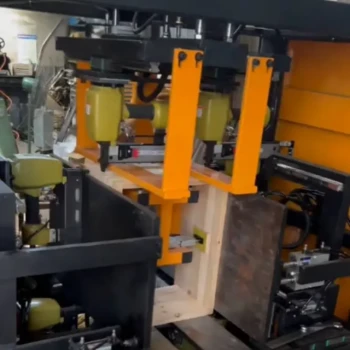
The primary technical justification for selecting odorless natural wood lies in the biological necessity of minimizing olfactory disruption within the hive. This material choice is critical for simulating a natural nesting environment, ensuring the colony accepts the structure rather than rejecting it due to chemical interference.
Core Takeaway Selecting odorless natural wood is a preventative measure against colony absconding and chronic stress. By eliminating the residual odors found in synthetic or treated materials, this material ensures a stable colonization space and significantly improves the survival rate of the hive.
The Biological Imperative of Neutral Materials
Simulating the Natural Nesting Environment
Honey bees have evolved to seek specific shelter types, primarily natural hollow cavities. Using odorless natural wood allows commercial boxes to mimic these wild conditions effectively. This biomimicry is essential for establishing a sense of normalcy and acceptance within the colony immediately after installation.
Preventing Stress Responses
Bees are highly sensitive to their chemical environment and rely on scent for communication. Introducing materials that emit strong scents triggers stress responses within the hive. When the colony is in a state of stress, productivity drops, and energy is diverted from foraging and brood rearing to defense or avoidance behaviors.
Mitigating Colony Rejection Risks
The Dangers of Residual Odors
Alternative materials, such as treated lumber or certain synthetics, often contain volatile compounds. These materials can release residual odors that linger within the hive box. To the bees, these scents can signal that the environment is toxic or uninhabitable.
Avoiding Colony Absconding
The most severe technical failure in hive construction is colony rejection. If the olfactory environment is hostile due to synthetic or treated board odors, the colony may abscond, or abandon the hive entirely. Using odorless wood eliminates this specific failure point, securing the beekeeper's investment in the livestock.
Operational and Management Advantages
Ensuring Colonization Stability
A neutral environment encourages faster acceptance of the hive structure. This creates a stable colonization space where the bees can focus on building comb and storing resources without environmental agitation. Stability is a prerequisite for consistent honey production and population growth.
Improving Survival Rates
By removing chemical stressors, the overall health of the colony is better maintained. The primary reference indicates that this material choice directly correlates to an improved survival rate for the colony. This reduces the management burden associated with replacing dead-outs or capturing swarms.
Compatibility with Industrial Standards
While the biological benefits are paramount, wooden boxes also serve as the foundation for modern industrial beekeeping. They provide the uniform dimensions necessary for palletized operations. This structural standard allows for the use of heavy machinery, such as forklifts, to transport thousands of colonies for large-scale pollination demands.
Understanding the Trade-offs
Durability vs. Biological Suitability
While odorless wood is the biological ideal, it lacks some physical advantages of alternative materials mentioned in industry contexts, such as the thermal insulation of Styrofoam or the rot resistance of polypropylene.
The Maintenance Dilemma
Natural wood is susceptible to decay over time. However, the technical challenge lies in preserving the wood without introducing the very odors you are trying to avoid. Applying preservatives or treatments to extend the life of the box can inadvertently negate the benefits of using natural wood by introducing repellant scents.
Making the Right Choice for Your Goal
To maximize the success of your apiary, align your material selection with your specific operational objectives.
- If your primary focus is Colony Retention: Prioritize untreated, odorless natural wood to eliminate chemical stress triggers and prevent the colony from abandoning the hive.
- If your primary focus is Commercial Logistics: Ensure your wooden components adhere to standardized dimensions (deep, medium, or shallow) to facilitate palletized transport and forklift operations.
Ultimately, the choice of odorless wood is a strategic decision to align industrial equipment with the inflexible biological instincts of the honey bee.
Summary Table:
| Technical Factor | Impact of Odorless Natural Wood | Risk of Synthetic/Treated Materials |
|---|---|---|
| Colony Acceptance | High; mimics natural hollow cavities | Low; chemical odors may cause rejection |
| Stress Levels | Minimal; maintains pheromone communication | High; triggers defense or avoidance behavior |
| Productivity | High; energy focused on foraging/brood | Low; energy diverted to environmental stress |
| Retention | Secure; eliminates triggers for absconding | Unstable; high risk of colony abandonment |
| Health & Survival | Improved; no volatile compound exposure | Compromised; chronic chemical stressors |
Maximize Your Apiary Productivity with HONESTBEE
At HONESTBEE, we understand that commercial success starts with biological stability. As a dedicated partner to commercial apiaries and distributors, we provide a comprehensive wholesale range of high-quality beekeeping tools and equipment designed for industrial performance.
From precision-engineered hive-making machines to durable hive components that meet strict dimensions for palletized transport, our portfolio ensures your operations remain efficient and your colonies thrive. Beyond hardware, we supply essential industry consumables and honey-themed cultural merchandise to help you grow your brand.
Ready to scale your beekeeping business? Contact HONESTBEE Today for Wholesale Solutions
References
- Andhika Silva Yunianto, Michael Daru Enggar Wiratmoko. Small and Medium Scales Business Development Model and Value Chain of Apis mellifera L. Bee Cultivation in Riau Province. DOI: 10.22146/jik.v18i1.6560
This article is also based on technical information from HonestBee Knowledge Base .
Related Products
- Australian Langstroth Beehive Boxes for Beekeeping Wholesales
- 5 Frame Wooden Nuc Box for Beekeeping
- Professional 600D Oxford Cloth Beekeeping Tool Bag with 8 Pockets and Elastic Loops
- Plastic Transporting Bee Packages and Nuc Boxes for Beekeeping
- Metal Bee Hive Stand Bee Box Stand for Beekeeping
People Also Ask
- What are the differences between the three standard depths of Langstroth boxes? Choose the Best Size for Your Apiary
- What are the primary advantages of using standardized Langstroth boxes? Scale Your Commercial Beekeeping Operation
- What role do standardized Langstroth boxes play in commercial apiary management and honey bee research? | HONESTBEE Guide
- How many beehive boxes are needed when starting a new hive? A Guide to Proper Hive Setup
- What are the disadvantages of using a combination of deep and medium boxes? Avoid Costly Incompatibility Issues