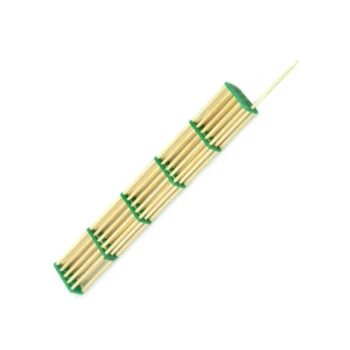
The significant technical risks of Coumaphos stem from its chemical persistence and reduced efficacy in modern apiculture. Due to its high stability and slow degradation, the active ingredient accumulates in beeswax, creating a long-term toxic environment for the colony while offering diminishing returns against resistant mite populations.
Coumaphos presents a dual threat to colony viability: its high chemical stability leads to toxic residue buildup in hive wax, while widespread mite resistance has rendered it largely ineffective as a reliable standalone control measure.
The Mechanics of Chemical Persistence
High Stability and Slow Degradation
Coumaphos is chemically distinct due to its high stability. Unlike volatile treatments that evaporate or break down quickly, this compound has a very slow degradation rate. This means the active ingredient remains present in the hive environment long after the treatment period should theoretically end.
Accumulation in Beeswax
The chemical nature of Coumaphos causes it to bind readily to beeswax. Consequently, the active ingredient accumulates at high levels within the physical structure of the hive. This residue is difficult to remove and persists across seasons.
Biological Impact on the Colony
Chronic Exposure for Inhabitants
Because the chemical remains embedded in the wax, the colony suffers from prolonged exposure. The bees are not just treated during the intended window; they are forced to live in a constantly contaminated environment even after treatment strips are removed.
Risks to Queen and Brood Health
The accumulation of Coumaphos in the comb specifically endangers the reproductive core of the colony. Both the queen bee and the developing brood face continuous contact with contaminated wax, which poses significant health risks to their development and longevity.
Understanding the Trade-offs: Efficacy vs. Risk
The Prevalence of Resistance
Beyond the toxicological risks, the utility of Coumaphos is compromised by biological adaptation. Many Varroa mite populations have developed a strong resistance to the chemical.
The Poor Risk-to-Reward Ratio
Using this treatment involves accepting high residue risks for a control measure that may not work. The development of resistance significantly reduces the efficacy of Coumaphos, meaning you may contaminate your hive infrastructure without successfully controlling the mite infestation.
Assessing Your Management Strategy
To ensure the longevity of your apiary, weigh these factors against your specific goals.
- If your primary focus is preserving comb and wax quality: Avoid Coumaphos-based treatments, as they lead to permanent residue accumulation that contaminates the hive structure.
- If your primary focus is effective mite knockdown: Recognize that established resistance in mite populations makes this chemical a highly unreliable option for acute infestation management.
Prioritizing treatments with lower residue profiles and higher efficacy rates is essential for sustainable colony health.
Summary Table:
| Technical Risk Category | Primary Concern | Impact on Colony Health |
|---|---|---|
| Chemical Persistence | High stability and slow degradation | Long-term toxic environment in the hive |
| Wax Contamination | Accumulation in beeswax combs | Permanent residue affecting future generations |
| Biological Impact | Chronic exposure for queen and brood | Reduced longevity and reproductive health |
| Treatment Efficacy | Widespread mite resistance | High risk of treatment failure and infestation |
| Risk-to-Reward | High residue for low knockdown | Unreliable for sustainable mite management |
Secure the Future of Your Apiary with HONESTBEE
Don't let chemical residues and resistant pests undermine your commercial success. HONESTBEE empowers commercial apiaries and distributors with advanced, sustainable beekeeping solutions. From high-efficiency honey-filling machines to professional-grade tools and essential consumables, we provide everything needed to maintain healthy, productive colonies.
Ready to upgrade your operation with residue-free equipment and premium supplies?
Contact HONESTBEE Today to discover how our wholesale offerings and industry-leading hardware can optimize your honey production and hive health.
Related Products
- Compact Circular Bee Mite Treatment Dispenser
- Oxalic Acid Vaporizer 12V for Bee Varroa Mite Treatment
- Durable 12V Oxalic Acid Vaporizer for Varroa Mite Treatment Beehive Beekeeping Tool
- Heavy Duty 12V Oxalic Acid Evaporator Vaporizer for Bee Varroa Mite Treatment Beekeeping Fumigator Atomizer
- Adjustable Formic and Acetic Acid Dispenser for Bee Mite Treatment
People Also Ask
- What is the function of specialized prevention consumables? Protect Hives from Varroa Mites & European Foulbrood
- What is the function of specialized application devices for Varroa? Precision Control for Healthier Bee Colonies
- What technical factors influence chemical Varroa treatments? Optimize Your Hive Health with Precise Timing
- Why is glycerin used in oxalic or formic acid for Varroa mite control? Unlock Better Efficacy and Slow Release
- How do different application forms of oxalic acid or formic acid affect Varroa mite treatments? Maximize Your Hive Efficacy