Modern Frame Hives offer a substantial increase in honey production by utilizing standardized internal spacing and removable frames. Data indicates that a Frame Hive can produce an average annual honey yield of over 10.8 kg, which is significantly higher than the 5.6 kg typically produced by traditional hives.
The shift to Frame Hives is not just about hardware; it is about converting beekeeping into a scientifically manageable process. By standardizing space and preserving the colony's work, you move from passive collection to active production optimization.
The Mechanics of Increased Production
Standardized Space Optimization
The primary advantage of the Frame Hive is its standardized internal space design. Unlike traditional hives where comb construction is irregular, Frame Hives dictate a structure that maximizes every inch of the hive for storage. This organization significantly increases the honey yield per unit by eliminating wasted space.
Significant Yield Multipliers
While baseline data indicates a doubling of yield (10.8 kg vs. 5.6 kg), the potential for commercial operations is often much higher. Under optimal management conditions, Frame Hives can facilitate yields ranging from 20 kg to 80 kg per year. This contrasts sharply with traditional log hives, which often cap out at 5–8 kg of lower-quality honey.
Operational Drivers of Efficiency
Non-Destructive Harvesting
In traditional beekeeping, harvesting often requires destroying the colony's internal architecture. Frame Hives feature movable frames that allow beekeepers to extract honey without damaging the hive or the brood. This preservation of the colony structure ensures the bees remain stable and productive immediately after harvest.
Energy Conservation and Wax Reuse
Because the honeycomb remains intact during extraction, it can be returned to the hive for reuse. Bees consume significant amounts of honey (energy) to produce wax. By reusing drawn combs, the colony directs its energy solely toward foraging and nectar storage rather than reconstruction.
Enhanced Colony Management
The removable frame design facilitates precise monitoring of the queen’s egg-laying and larval development. Beekeepers can perform manual interventions, such as splitting colonies or controlling disease, with minimal disturbance. This reduces environmental stress and the incidence of absconding, ensuring consistent output.
Understanding the Trade-offs
Higher Management Requirements
The yield advantage of Frame Hives comes with a requirement for active management. Unlike traditional hives that are often left alone until harvest, Frame Hives require regular inspections to manage space and health effectively.
Equipment Complexity
The standardized equipment necessary for Frame Hives represents a higher initial complexity and cost. Beekeepers must maintain precise hardware standards to ensure the movable frames function correctly and do not become fused by burr comb.
Making the Right Choice for Your Goal
To determine if the switch to Frame Hives aligns with your specific objectives:
- If your primary focus is maximum commercial output: Adopt Frame Hives to leverage standardized spacing and comb reuse for yields that can exceed 60 kg per colony annually.
- If your primary focus is low-maintenance or subsistence beekeeping: Traditional hives may suffice, as they require less active management despite producing significantly lower yields (approx. 5-8 kg).
Ultimately, Frame Hives transform the apiary from a collection of containers into a scalable, high-efficiency production line.
Summary Table:
| Feature | Traditional Hives | Modern Frame Hives |
|---|---|---|
| Average Honey Yield | 5.6 kg / year | 10.8 kg - 80 kg / year |
| Harvesting Method | Destructive (comb removal) | Non-destructive (movable frames) |
| Comb Management | Bees must rebuild wax | Reusable drawn combs |
| Colony Stability | High stress / absconding risk | Low stress / controlled management |
| Management Effort | Passive / Low maintenance | Active / Scientific monitoring |
Scale Your Apiary with HONESTBEE’s Professional Equipment
Transitioning to high-yield commercial beekeeping requires precision and reliability. HONESTBEE supports commercial apiaries and distributors by providing the industry’s most comprehensive wholesale range of beekeeping tools and machinery.
Our value to your business:
- High-Efficiency Machinery: From specialized hive-making equipment to precision honey-filling machines.
- Complete Hardware Solutions: A full spectrum of standardized beekeeping tools and essential consumables.
- Market Expansion: A wide array of honey-themed cultural merchandise to diversify your brand.
Ready to optimize your production and maximize your yields? Contact HONESTBEE today to discuss our wholesale solutions and bulk equipment pricing!
References
- Dinku Negash, Bereket Mengeste. ASSESSMENT OF HONEY PRODUCTION SYSTEM, CONSTRAINTS AND OPPORTUNITIES IN SELECTED KEBELES OF HAWASSA CITY ADMINISTRATION, ETHIOPIA. DOI: 10.5281/zenodo.3379981
This article is also based on technical information from HonestBee Knowledge Base .
Related Products
- Wooden Bee Hive Frames for Beekeeping and Wholesale
- Plastic Bee Frame Beekeeping Hive Frames for Wholesale
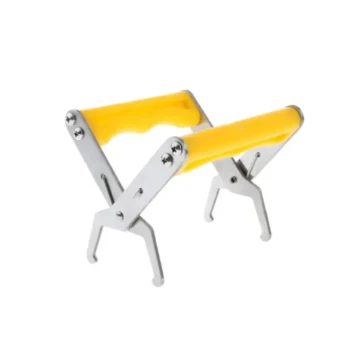
- Ergonomic High Visibility Plastic Frame Grip Handles
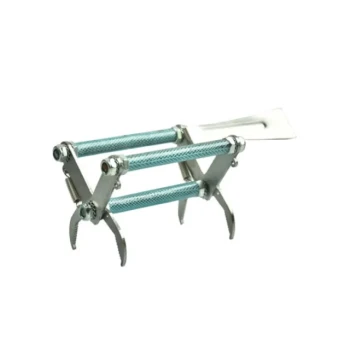
- Professional 3-Bar Frame Grip with Integrated Hive Tool
- Professional Galvanized Steel Frame Rest for Beehives
People Also Ask
- How do wooden and plastic hive frames compare in terms of durability? Wood vs. Plastic Longevity & Repairability
- How does balancing the number of frames impact hive productivity? Optimize Your Apiary's Biological Output
- What are the main considerations when choosing between wooden and plastic bee hive frames? Optimize Your Apiary's Efficiency
- How should beehive frames be maintained to prolong their lifespan? 5 Pro Tips for Durable Beekeeping Equipment
- What are frames and combs used for in beekeeping? The Foundation of Modern Hive Management