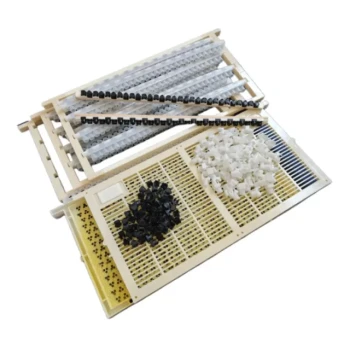
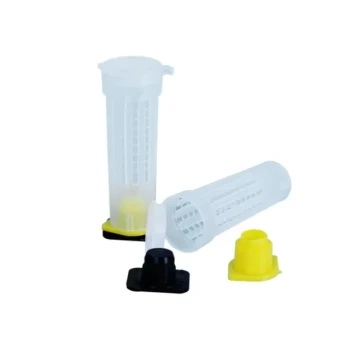
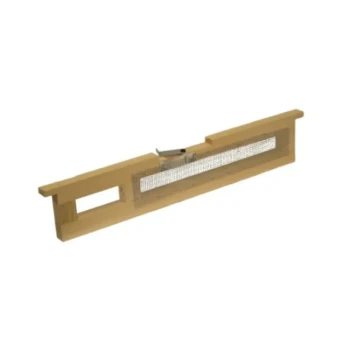
The primary biosecurity risk associated with automated honeybee breeding and queen bee import tools is the unintended facilitation of transboundary disease spread. While these technologies are essential for genetic improvement, equipment such as queen mailing devices and artificial insemination instruments can act as vectors for pathogens like Chronic Bee Paralysis (CBP) if strict quarantine protocols are not observed.
The central challenge is that tools designed to enhance production can paradoxically compromise colony health by bypassing natural geographic barriers. Without rigorous isolation and sterilization, modern breeding logistics act as a conduit for introducing emerging diseases into vulnerable populations.
The Mechanisms of Pathogen Transmission
Equipment as a Disease Vector
Automated breeding often relies on shared instrumentation. Artificial insemination tools, which require direct contact with the queen's reproductive tract, pose a significant cross-contamination risk.
If these instruments have not undergone strict quarantine or sterilization between uses, they can mechanically transfer pathogens from an infected donor to a healthy recipient.
The Risk of Global Logistics
The global trade of queen bees relies on physical transport mechanisms, such as mailing devices. These containers travel across borders, potentially carrying biological threats alongside the livestock.
This creates a pathway for diseases to "leapfrog" containment zones. The importation process can introduce pathogens to regions where local bee populations have no established immunity.
Understanding the Trade-offs
Genetic Gain vs. Biosecurity
Importing queens allows for rapid genetic diversification and production enhancement. This is the primary driver for using advanced breeding tools.
However, this openness inherently increases exposure to transboundary diseases. The trade-off for better genetics is a higher requirement for vigilance regarding the biological history of the imports.
Efficiency vs. Safety Protocols
Automated tools are designed for speed and consistency. There is often a temptation to prioritize throughput over rigorous sanitation steps.
ignoring specialized isolation equipment during the introduction process to save time is a critical error. This negligence transforms a production tool into a biosecurity liability.
The Role of Precision in Disease Management
Mitigating Introduction Risks
To counterbalance the risks of breeding tools, beekeepers must employ strict defensive measures. This includes the use of specialized isolation equipment during the queen introduction phase.
The Broader Ecosystem of Control
While breeding tools introduce risk, precision management tools are required to control it. Effective biosecurity requires viewing the hive as a sealed system that is only breached with verified, sterile inputs.
Utilizing professional application tools ensures that if a risk is identified, treatments can be applied with precise dosage control. This prevents treatment failure and ensures the safety of the final honey product.
Making the Right Choice for Your Goal
To navigate the risks of modern breeding while maintaining a healthy apiary, consider the following approach:
- If your primary focus is Genetic Improvement: Implement a mandatory quarantine period and sterilization protocol for all imported queens and artificial insemination equipment before they enter your general population.
- If your primary focus is Disease Prevention: Prioritize the use of specialized isolation equipment during the introduction process to physically separate new genetics until their health status is verified.
True biosecurity is not just about treating disease, but about rigorously screening every tool and biological asset that enters your apiary.
Summary Table:
| Risk Factor | Primary Mechanism | Impact on Apiary Health |
|---|---|---|
| Insemination Tools | Cross-contamination during the breeding process | Mechanical transfer of pathogens like CBP |
| Mailing Devices | Physical transport across geographic borders | Introduction of diseases to non-immune populations |
| Logistics Speed | Prioritizing throughput over sanitation | Increased probability of bypassing quarantine protocols |
| Genetic Gains | Importing non-local queen bee genetics | Risk of "leapfrogging" containment zones |
Secure Your Apiary’s Future with HONESTBEE
At HONESTBEE, we understand that commercial apiaries and distributors require more than just efficiency—they need security. As a comprehensive wholesale provider, we supply the full spectrum of beekeeping tools, machinery, and specialized hardware, including precision hive-making and honey-filling machines.
Whether you are scaling production or managing global imports, our equipment is designed to meet the highest standards of the industry. We help our partners mitigate biosecurity risks by providing the high-quality consumables and professional tools needed for rigorous isolation and disease management.
Ready to elevate your operations with reliable beekeeping solutions?
Contact our expert team today to discuss your wholesale needs.
References
- Ben W. Rowland, Giles E. Budge. Identifying the climatic drivers of honey bee disease in England and Wales. DOI: 10.1038/s41598-021-01495-w
This article is also based on technical information from HonestBee Knowledge Base .
Related Products
- Stainless Steel Beekeeping Queen Grafting Tool for Honey Bee Rearing
- Plastic Beekeeping Honey Bee Larvae Grafting Tools for Queen Rearing and Chinese Grafting
- Queen Bee Artificial Insemination Instrument Equipment for Instrumental Insemination
- Plastic Chinese Queen Grafting Tool for Bee Queen Rearing
- Stainless Steel Queen Grafting Tool for Beekeeping and Bee Queen Grafting
People Also Ask
- What is the process of grafting in honey bee queen rearing? A Master Guide for Commercial Success
- Why is it necessary for migratory beekeeping enterprises to utilize professional queen bee rearing tools? Boost Resilience
- What is the step-by-step process for using a queen grafting tool? Master Larva Transfer for Better Queen Rearing
- What is the primary function of a queen grafting tool? Master Precise Larval Transfer for High Queen Acceptance
- What specialized tools and frame configurations are needed for larval grafting during queen rearing, and how are queen cells properly spaced? Master the essentials for efficient queen production