Temperature control is a queen-health priority. Sperm viability in a honey bee queen’s spermatheca declines naturally with age and pesticide exposure, but sudden heat spikes during shipment or severe hive microclimate fluctuations can cause rapid sperm mortality. Commercial queens average approximately 83.7% sperm viability under normal conditions; protecting them requires insulated hive equipment, climate-monitored transport cages, and temperature-controlled shipping supplies.
The main acute risk is thermal shock, not simply average temperature. Commercial beekeepers should control temperature across the entire chain—from queen rearing and storage to transport, introduction, and hive management—while also reducing pesticide, disease, and colony-stress exposure.
What Causes Queen Sperm Viability Loss?
Natural aging of the spermatheca
A queen’s stored sperm gradually loses viability as she ages. This is one reason queen productivity commonly peaks during the first productive year and why older or failing queens can produce weaker brood patterns.
Age-related decline cannot be eliminated through equipment, but it can be managed through planned queen replacement and accurate queen-age records.
Sudden heat spikes
Sharp temperature increases are a major acute threat. Heat stress during shipment, warehouse storage, roadside transfer, or exposure to unstable hive conditions can damage sperm cells quickly.
A stable temperature is generally more protective than repeated cycles of heating and cooling. Equipment should therefore be selected for insulation, ventilation, monitoring, and reliable handling—not merely for appearance or low purchase price.
Hive microclimate fluctuations
A queen is protected by the colony, but severe changes in hive temperature can still create physiological stress. Poor insulation, direct sun exposure, inadequate ventilation, and improperly managed hive placement can intensify these fluctuations.
Insulated hive components and sound hive construction help reduce the amplitude of temperature changes around the brood nest and queen.
Pesticide exposure
Pesticide exposure is associated with reduced sperm viability and broader queen-health problems. Risk may arise from contaminated forage, agricultural drift, improper in-hive applications, or residues introduced through equipment and replacement materials.
Equipment cannot replace sound integrated pest management. Beekeepers should coordinate pesticide use with local crop conditions, follow product labels, and avoid unnecessary chemical exposure around queen-rearing and mating operations.
Disease and colony stress
Pathogens such as American foulbrood, European foulbrood, Nosema ceranae, and Varroa-vectored viruses can weaken the colony and shorten queen longevity. A stressed colony is less capable of maintaining stable brood-nest conditions and supporting a productive queen.
Sanitized hive equipment, hygienic queen-rearing consumables, and routine diagnostic inspections help protect both queen health and the wider colony.
How Climate-Controlled Queen Cages Protect Queens
Stabilizing the transport environment
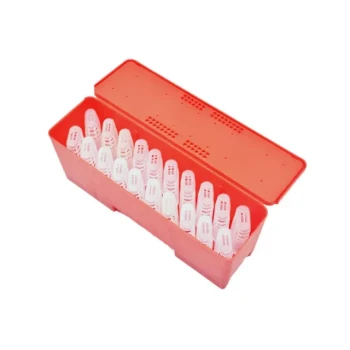
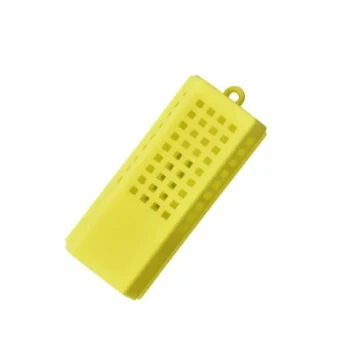
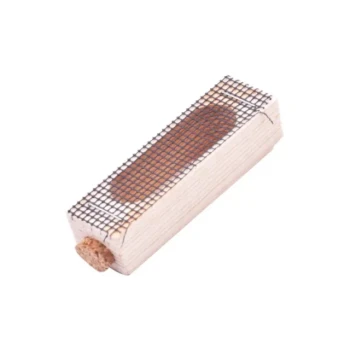
A queen cage should limit exposure to external temperature swings while maintaining sufficient airflow. Insulated or climate-monitored cages are especially valuable during long-distance shipment, warehouse staging, and last-mile delivery.
The objective is not to create an extreme artificial environment. It is to prevent rapid overheating, chilling, condensation, and repeated temperature cycling.
Monitoring rather than guessing
Temperature-monitored cages and shipping containers give distributors and beekeepers visibility into the conditions experienced by each shipment. This supports faster intervention when packages are delayed, exposed to sun, or held in unsuitable facilities.
For commercial operations, monitoring also creates a quality-control record. Suppliers can use it to investigate mortality claims, improve packaging, and identify weak points in fulfillment.
Using temperature-controlled shipping supplies
Insulated mailers, protective inserts, temperature-control packs, and appropriately ventilated shipping containers can reduce thermal stress. The configuration must be matched to the shipping duration, outside temperature, package size, and queen-cage design.
Cooling or heating packs should not contact queen cages directly. Poorly selected packs can create localized hot or cold spots, making an insulated package less safe rather than more safe.
Coordinating rapid fulfillment
Even high-quality packaging has limits. Ultra-fast order fulfillment and rapid response reduce the time queens spend in uncontrolled environments.
Distributors should plan dispatch schedules around weekends, extreme weather, carrier delays, and destination conditions. A climate-controlled cage is most effective when supported by reliable logistics and clear handling instructions.
How Hive Equipment Supports Queen Health
Insulated hive components
Insulated hive bodies, covers, roofs, and other thermal-management components help moderate hive microclimates. They are particularly useful where colonies face intense sun, cold nights, wind exposure, or rapid weather changes.
Equipment should be installed without blocking essential ventilation. The goal is controlled stability, not an airtight hive.
Hive placement and inspection equipment
Shade structures, suitable hive orientation, and protection from excessive wind can complement insulated components. Diagnostic tools help beekeepers confirm whether the colony is maintaining a healthy brood area and whether the queen is laying consistently.
Inspections should assess brood pattern, queen presence, colony strength, and signs of disease rather than relying on a single observation.
Queen-rearing equipment
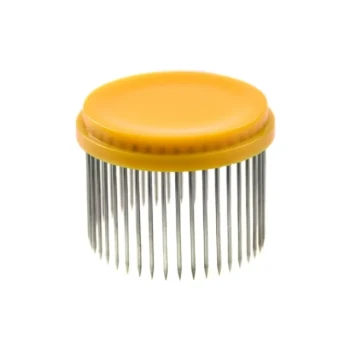
Controlled queen production uses frame cell bars, artificial queen cups, grafting tools, and related consumables. These tools allow breeders to select larvae from strong, gentle, and hygienic colonies while maintaining more consistent queen age and production timing.
Better control over queen quality helps reduce the operational consequences of queen failure, even though it does not directly prevent sperm damage after mating.
Queen cell protectors
When a sealed queen cell is introduced into a queenless or laying-worker colony, workers may reject or destroy it. A queen cell protector shields the developing queen during the acceptance phase and can improve the chance of successful emergence.
This is a complementary measure: protecting the cell supports replacement success, while temperature control protects the queen’s reproductive condition during production and distribution.
Sanitation and pest-control tools
Dedicated sanitization equipment, hygienic grafting supplies, and appropriate pest-control application tools reduce the risk of spreading pathogens between colonies. This is especially important for commercial operations handling queens, brood, semen, and reusable equipment.
Instrumental insemination can also reduce disease-transfer risks associated with uncontrolled mating when performed with precise instruments and strict laboratory hygiene.
Why Queen Protection Matters Commercially
Queen events can become colony-loss events
Queen loss, replacement, and failure are not isolated incidents. Colonies experiencing a queen event have been reported to face a relative mortality risk of 3.1 compared with colonies without such an event.
Early detection and rapid re-queening are therefore operational priorities. Keeping replacement queens, cages, cell protectors, frames, and inspection tools available can shorten the period during which a colony remains vulnerable.
Distribution quality affects customer outcomes
For wholesalers and resellers, queen health is part of product quality. A queen that arrives alive but has suffered severe heat exposure may still experience reduced reproductive performance later.
A premium supply program should therefore combine protective packaging, temperature monitoring, fast delivery, responsive customer service, and technical handling guidance.
Equipment standardization improves fulfillment
Commercial apiaries and distributors benefit from standardized cage dimensions, packaging procedures, inspection checklists, and replacement protocols. Standardization reduces packing errors and makes it easier to train staff across multiple locations.
A broad product portfolio—from queen-rearing consumables to insulated hive components—also allows buyers to source compatible equipment through fewer vendors.
Understanding the Trade-offs
Insulation versus ventilation
Insulation reduces temperature swings, but excessive enclosure can restrict airflow and increase humidity or condensation. Climate-controlled cages must balance thermal buffering with adequate ventilation.
Packaging should be validated under realistic shipping conditions rather than selected solely from specifications.
Active temperature control versus passive protection
Active heating or cooling can provide tighter control, but it adds cost, weight, battery or pack-management requirements, and potential failure points. Passive insulation is simpler and often effective for shorter routes or moderate weather.
The appropriate choice depends on route length, season, destination climate, and the value of the shipment.
Monitoring versus intervention
A data logger can show that a shipment experienced heat stress, but monitoring alone does not correct the problem. Staff need predefined escalation steps, such as rerouting, expedited delivery, replacement assessment, or quarantine review.
Temperature data is most valuable when integrated into a documented fulfillment process.
Equipment investment versus preventable loss
Premium cages, insulated hive components, and monitoring supplies increase unit cost. However, the cost should be compared with queen replacement, colony weakening, customer claims, delayed production, and lost honey yield.
The business case is strongest for high-value breeder queens, long-distance distribution, extreme seasonal conditions, and operations with frequent queen events.
Temperature control is not a substitute for colony management
Stable transport conditions cannot compensate for poor nutrition, uncontrolled Varroa, pesticide exposure, disease, inadequate mating quality, or weak colony genetics. Queen protection must be part of a complete health and replacement program.
Applying This to a Commercial Operation
A practical program should connect queen production, packaging, transport, hive management, inspection, and replacement planning.
- If your primary focus is queen shipping: Use insulated, ventilated, climate-monitored cages with temperature-controlled shipping supplies, and schedule rapid delivery around weather and carrier constraints.
- If your primary focus is apiary productivity: Combine insulated hive components with stable hive placement, routine queen-status inspections, and planned replacement before late-season queen failure.
- If your primary focus is distribution quality: Standardize packaging and temperature-monitoring procedures while maintaining reliable inventory, fast order fulfillment, and responsive technical support.
- If your primary focus is queen breeding: Use controlled grafting and queen-rearing equipment, select hygienic and productive stock, and apply strict sanitation to reduce disease transmission.
- If your primary focus is reducing colony losses: Pair early diagnosis with replacement queens, queen cell protectors, healthy brood frames, and appropriate colony-combining equipment.
Protecting queen sperm viability is a supply-chain and hive-management task: control thermal shocks, reduce biological stress, and build reliable response procedures around every queen.
Summary Table:
| Factor | Impact on Sperm Viability | Mitigation Strategy |
|---|---|---|
| Natural aging | Gradual decline over time | Planned queen replacement and age tracking |
| Heat spikes | Rapid sperm mortality | Climate-controlled queen cages and insulated shipping supplies |
| Hive microclimate fluctuations | Physiological stress on queen | Insulated hive components and stable hive placement |
| Pesticide exposure | Reduced viability and health | Integrated pest management and avoiding contamination |
| Disease and colony stress | Shortened queen longevity and weakened colony | Sanitized equipment and routine diagnostics |
Protect your queens and maximize colony productivity with HONESTBEE. Our comprehensive wholesale portfolio includes climate-controlled queen cages, insulated hive components, temperature-monitoring supplies, and queen-rearing equipment—everything you need for a reliable supply chain. As a one-stop sourcing partner, we offer OEM/ODM support, certified products, rapid fulfillment, and expert guidance to keep your operations efficient and your queens healthy. Don't let thermal stress or logistical delays undermine your queens' performance. Contact us today to discuss your queen-health and equipment needs—our team is ready to support your success with fast responses and tailored solutions. Get in touch now!
Related Products
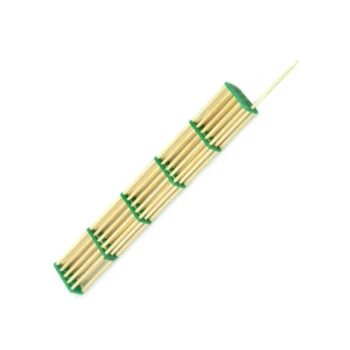
- Professional Bamboo Queen Isolation Cage
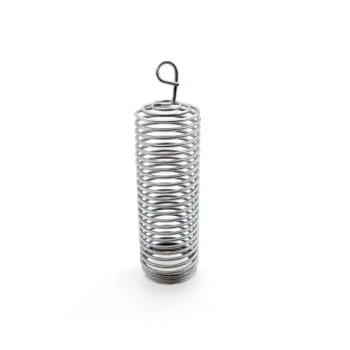
- Durable Galvanized Steel Spring Queen Bee Cage
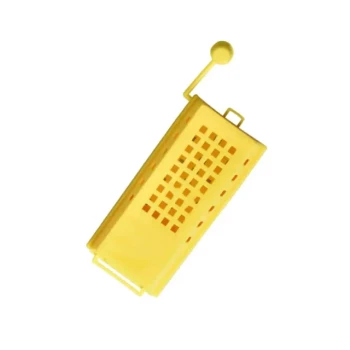
- Durable Plastic Push In Queen Bee Cage
- Professional Queen Bee Introduction and Transport Cage
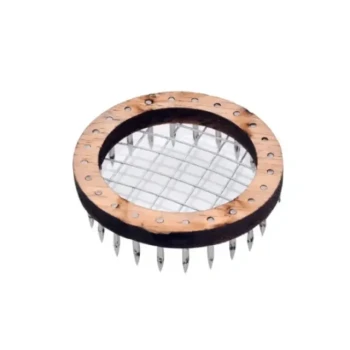
- Wood and Mesh Push-In Queen Cage
People Also Ask
- Why are specialized queen bee cages used for the banking of mated queen bees? Maximize Commercial Apiary Storage Efficiency
- What is the mechanism of action for using temporary queen bee cages? Master Successful Queen Introduction
- How does the side ventilation design of a queen bee cage impact the safety of the queen during long-distance transport?
- What should you do if the queen is still in the cage and the worker bees have not accepted her? Protect Your Colony from Queen Rejection
- What technical precaution must be taken regarding the mesh or grill side of a queen bee cage? Ensure Queen Survival