The essential consumables for supplementary honeybee feeding fall into two distinct categories: high-energy carbohydrates and high-protein flour substitutes. To maintain colony survival during dry seasons or nectar shortages, the primary materials used are white sugar for energy, and specific protein sources including barley flour, pea flour, and faba bean flour. These supplies are critical for preventing mass mortality and ensuring the colony does not migrate due to starvation.
The goal of supplementary feeding is not just to prevent starvation, but to maintain the colony's reproductive capacity. A balanced intervention requires providing carbohydrates (sugar) to fuel daily activity and protein flours (barley, pea, or faba bean) to sustain brood rearing when natural pollen is absent.
Managing Energy Deficits with Carbohydrates
During periods of scarcity, a colony’s immediate threat is running out of fuel for temperature regulation and foraging activity.
The Role of White Sugar
White sugar is the primary high-energy consumable used to replicate the caloric value of nectar. It serves as a direct fuel source, keeping the adult bee population active and vital.
Liquid vs. Solid Reserves
Beekeepers often convert sugar into syrup or use high-fructose corn syrup to provide immediate energy. However, solid sugar dough or candy boards are also utilized as stable, continuous high-energy reserves, particularly useful when establishing a long-term buffer against hunger stress.
Supporting Growth with Protein Flours
While sugar keeps adult bees alive, protein is required to rear the next generation of bees (brood). Without it, the colony population will plummet.
Critical Flour Substitutes
When natural pollen is unavailable, you must provide high-protein consumables. The most effective substitutes include barley flour, pea flour, and faba bean flour.
Pollen Substitutes and Supplements
These flours act as "pollen substitutes," providing the lipids, vitamins, and minerals necessary for larval development. Providing these materials maintains the queen’s egg-laying consistency and prevents the colony from dwindling or absconding due to nutritional stress.
Understanding the Trade-offs
While supplementary feeding is a necessary technical intervention, it requires careful management to be effective.
Nutritional Completeness
Artificial consumables bridge the gap, but they rarely match the complex nutritional profile of diverse natural pollen. Relying solely on substitutes for extended periods can sustain life but may not result in optimal vitality compared to natural forage.
Application Precision
The effectiveness of these consumables depends on proper administration. For example, syrups often require precise ratios of water to sugar depending on the season, and protein patties must be placed correctly to be accessible without chilling the brood cluster.
Ecological Considerations
Supplementary feeding is a stopgap measure. A more sustainable, long-term approach involves planting complementary flora that blooms during typical dearth periods, acting as a "biological reserve" to reduce reliance on artificial flour and sugar.
Optimizing Your Feeding Strategy
Select your consumables based on the specific physiological needs of your colony at the time of the shortage.
- If your primary focus is immediate survival: Prioritize white sugar or sugar dough to provide the high-energy fuel required to prevent starvation and maintain hive temperature.
- If your primary focus is population growth: Introduce barley, pea, or faba bean flour to provide the protein necessary for the queen to continue laying eggs and for nurse bees to rear healthy brood.
Successful apiary management during dry seasons relies on proactively identifying nutritional gaps and filling them with the specific consumables that mimic the missing natural resources.
Summary Table:
| Consumable Type | Primary Role | Examples |
|---|---|---|
| High-Energy Carbohydrates | Fuel for adult bees & heat regulation | White sugar, sugar syrup, sugar dough |
| High-Protein Substitutes | Sustaining brood rearing & population growth | Barley flour, pea flour, faba bean flour |
| Pollen Supplements | Providing lipids, vitamins & minerals | Specialized protein patties |
Maximize Your Apiary’s Productivity with HONESTBEE
Don't let dry seasons or nectar shortages compromise the health of your colonies. HONESTBEE is dedicated to supporting commercial apiaries and distributors with a comprehensive range of professional beekeeping solutions. From high-quality hive-making and honey-filling machinery to essential beekeeping tools and industry consumables, we provide everything you need to scale your operations and ensure colony vitality.
Partner with us for:
- Complete Wholesale Selection: A full spectrum of specialized beekeeping hardware and equipment.
- Industrial Efficiency: Advanced machinery designed for high-volume honey production and hive manufacturing.
- Growth Support: Essential supplies and cultural merchandise to diversify your market reach.
Ready to elevate your beekeeping business? Contact HONESTBEE today to discuss our wholesale offerings and how we can support your growth.
References
- Workneh Abebe, Ranjitha Puskur. Beekeeping sub sector challenges and constraints in Atsbi Wemberta District of eastern zone, Tigray Region, Ethiopia. DOI: 10.5897/jaerd.9000015
This article is also based on technical information from HonestBee Knowledge Base .
Related Products
- Classic Honey Bear Jars with Flip Top Dispensing Cap for Liquid Sweeteners
- Economy Small Scale Honey Dryer Dehumidifier Thickening Machine
- Professional Honey Uncapping Roller for Efficient Harvesting
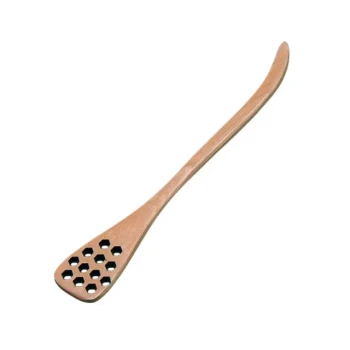
- Modern Honeycomb Pattern Wooden Honey Dipper for Stirring and Drizzling
- 5 Gallon Pail Opener Bucket Opener Tool for Honey Bucket
People Also Ask
- What food safety standards must honey containers meet? Expert Guide to Packaging Integrity & Hygiene
- Why is it important to distinguish between weight and volume when selecting honey containers? Maximize Profits Now
- What are the benefits of purchasing honey containers in bulk? Maximize Margins & Secure Your Supply Chain
- What should be considered when choosing a container for honey to ensure effective sealing? Master Honey Packaging Success
- What is the best container to store honey in? Preserve Purity & Flavor for Years