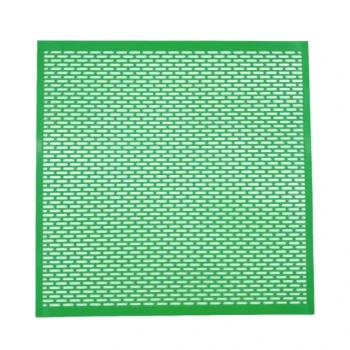
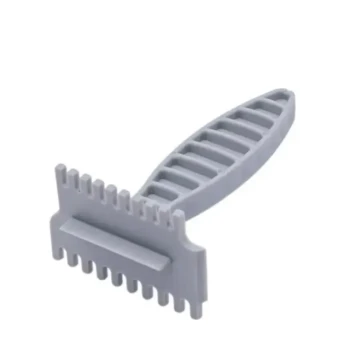
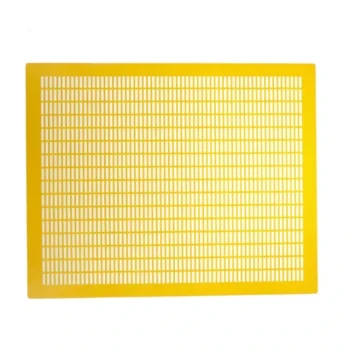
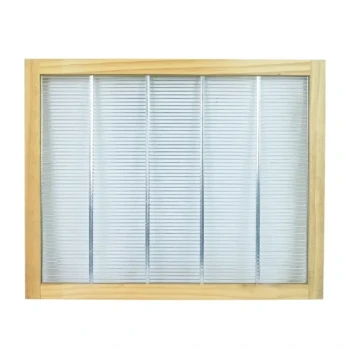
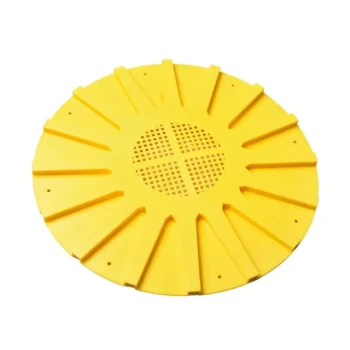
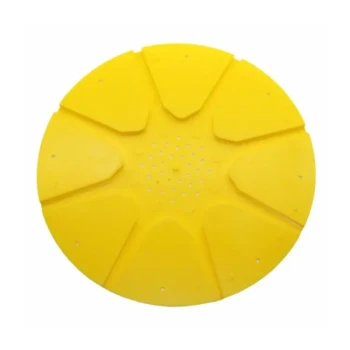
Plastic queen excluders offer a distinct set of economic and physical advantages for modern beekeeping. They are notably lightweight and inexpensive compared to their metal counterparts, making them an accessible entry point for hobbyists and commercial operations alike. Crucially, they do not rust and are chemically inert, ensuring they do not conduct heat or cold into the hive environment.
Core Insight: Plastic excluders are defined by their thermal neutrality and pest resistance. Unlike metal, they do not act as a heat sink, and their seamless construction eliminates hiding spots for small hive beetles, prioritizing colony health over sheer structural longevity.
Physical and Material Advantages
Thermal Insulation
One of the most significant technical benefits of plastic is that it is a poor thermal conductor. Metal excluders can act as a bridge for temperature extremes, transferring outside cold or heat directly into the brood nest.
Plastic maintains the hive's thermal integrity. This stability is vital for maintaining the precise temperature regulation required for brood rearing.
Pest Management
Plastic excluders are typically molded as a single unit, eliminating the joints and overlaps found in some framed metal or wood-bound designs.
This seamless design removes crevices where small hive beetles (SHB) can hide and breed. By eliminating these harborage areas, plastic excluders assist in keeping beetle populations manageable.
Cost and Weight
Plastic is significantly lighter than metal, reducing the overall weight of the hive stack. This reduces physical strain on the beekeeper during inspections and honey harvest.
Financially, they are relatively inexpensive. This lower price point allows for easier replacement and lower initial setup costs for expanding apiaries.
Durability Against Moisture
Unlike galvanized or steel options, plastic is immune to oxidation. It does not rust, regardless of humidity levels inside the hive or exposure to rain.
Understanding the Trade-offs
Susceptibility to Physical Damage
Plastic lacks the rigidity of metal. It is easily gouged or snapped by hive tools when prying propolized frames apart.
Deformation and Warping
Plastic can sag or warp over time, or if exposed to high heat during cleaning. Warping creates uneven spacing, which can either restrict bee movement or accidentally allow the queen to pass through.
Maintenance Limitations
You cannot use a torch or high heat to clean wax and propolis off plastic excluders. Additionally, methods like gamma irradiation for sterilization can make the plastic brittle over time, shortening its lifespan.
Potential for Bee Injury
Some lower-quality, stamped plastic excluders may have sharp edges left over from manufacturing. These rough edges can injure bees as they squeeze through the gaps.
Making the Right Choice for Your Apiary
While the general function of any excluder is to confine the queen for easier management and cleaner honey, the material choice depends on your specific operational priorities.
- If your primary focus is Pest Control: Choose plastic to minimize crevices where small hive beetles can hide and breed.
- If your primary focus is Budget: Choose plastic for the lowest upfront cost and lightest weight for handling.
- If your primary focus is Longevity: Be aware that plastic has a shorter lifespan than metal and requires careful handling to avoid warping or breakage.
Select the tool that balances your budget with the specific environmental challenges your colonies face.
Summary Table:
| Feature | Plastic Queen Excluder Advantages | Impact on Hive Health |
|---|---|---|
| Thermal Conductivity | Low (Thermal Neutrality) | Maintains stable brood nest temperatures; no heat sink effect. |
| Pest Management | Seamless, single-unit mold | Eliminates hiding spots for Small Hive Beetles (SHB). |
| Material Properties | Chemically inert & Rust-proof | Immune to oxidation and moisture; safe for bees. |
| Weight & Cost | Lightweight & Low-cost | Reduces physical strain and initial capital investment. |
Elevate Your Commercial Apiary with HONESTBEE
Maximize your honey production and hive health with high-quality beekeeping equipment from HONESTBEE. As a premier wholesale supplier, we cater to commercial apiaries and distributors by offering a complete spectrum of tools—from specialized hive-making and honey-filling machinery to essential consumables like plastic queen excluders.
Our solutions are designed to improve your operational efficiency and protect your colonies. Whether you are scaling up your business or stocking for distribution, our comprehensive portfolio ensures you have the right gear for every season.
Ready to enhance your beekeeping operations? Contact us today to discuss your wholesale needs and custom orders!
Related Products
- High Performance Plastic Queen Excluder for Beekeeping and Apiary Management
- Lightweight Durable Plastic Queen Excluder Scraper for Beekeeping
- Professional Plastic Queen Excluder for Modern Beekeeping
- Plastic Queen Bee Excluder for Bee Hive Wholesale
- Professional Dual Action Queen Excluder Scraper for Beekeeping
People Also Ask
- What are the characteristics of a plastic queen excluder? Key Benefits for Cost-Effective Beekeeping
- What are the operational and cost advantages of using plastic queen excluders over metal or wire excluders in commercial hive management? Discover how they reduce labor, prevent wing damage, and lower total costs.
- What types of queen excluders are available for beekeepers? Choose the Right Tool for Your Hive
- Why are standardized hive frames and queen excluders essential for maintaining honey purity and quality? Scale Your Purity
- Do plastic queen excluders work? A Cost-Effective Solution for Modern Apiaries