For safe hive management, the essential kit is protective clothing, a bee smoker, and a durable hive tool. At minimum, operators need a protective hood with an integrated hat and neck covering, or a full bee suit with a veil, gloves, and protective footwear. They also need a smoker with a manual bellows and suitable natural fuel, plus a metal hive tool for separating propolis-sealed components and frames.
The minimum safe setup combines sting protection with controlled smoke and mechanical access. For commercial or higher-risk work, add a full ventilated suit, gauntlet gloves, boots, frame-handling tools, and spare equipment to maintain safety and workflow continuity.
Build the Core Protective Equipment Kit
Face and neck protection
A mesh veil or hood is essential because the face, eyes, ears, and neck are particularly vulnerable during hive inspections. A hood with an integrated hat and neck scarf provides basic coverage, while a full suit offers more complete protection.
The veil should remain securely attached to the garment and allow clear vision and ventilation. Any gap around the neck or zip closure can create an avoidable sting risk.
Body protection
A full-body bee suit is the most comprehensive option for aggressive colonies, major hive manipulation, transfers, or inexperienced operators. For lower-risk routine inspections, a bee jacket with an integrated veil may provide adequate mobility when combined with suitable trousers and footwear.
Protective clothing should be bee-resistant, well ventilated, and fitted with secure closures at the wrists, ankles, and front opening. Durability matters in commercial apiaries because repeated washing, movement, and field use can quickly expose weak seams or damaged zippers.
Hand protection
Protective gloves shield the hands during frame lifting, hive opening, and other close-contact tasks. Long gauntlets that extend up the forearm are preferable because they reduce the chance of bees entering through the sleeve opening.
Gloves should balance sting resistance with dexterity. Excessively bulky gloves can make it harder to hold frames securely or perform delicate colony-management work.
Foot and ankle protection
Sturdy, closed footwear or boots protects the feet and helps prevent bees from entering trouser legs. Boots should work with the suit’s ankle closures rather than leaving an exposed gap.
For wet apiaries or outdoor commercial operations, durable waterproof boots can also improve footing and reduce fatigue, although they should not replace proper bee-proof clothing.
Use the Smoker Correctly
The smoker’s essential function
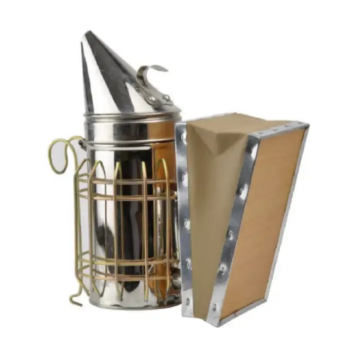
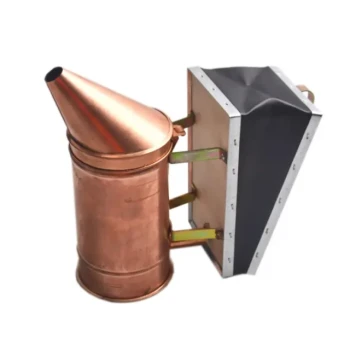
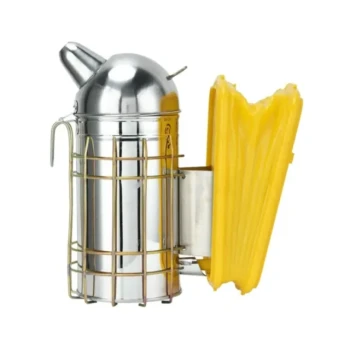
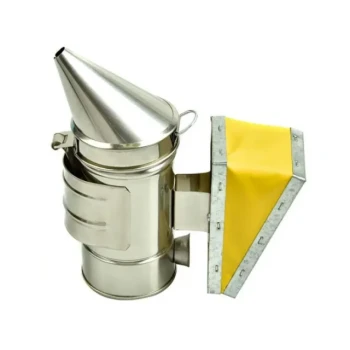
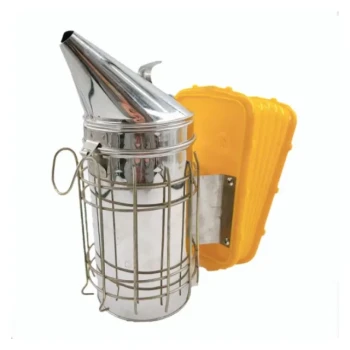
A bee smoker with a manual bellows is a core hive-management tool. It burns suitable natural fuel and produces cool smoke that interferes with the colony’s alarm-pheromone communication, temporarily reducing defensive behavior.
Smoke does not make bees harmless or permanently “calm.” It creates a short working window in which the beekeeper can open the hive, inspect frames, manage the colony, or remove honey more safely.
Smoker construction and features
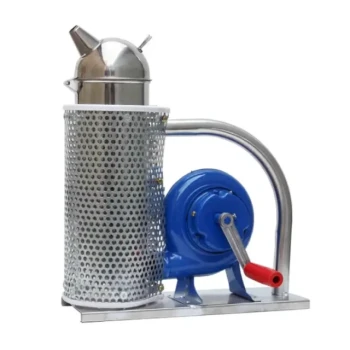
A practical smoker consists of a fire container, a spout, and a manual bellows for directing controlled puffs. A heat shield or protective wire grid around the canister is valuable because the smoker can become hot enough to cause burns or ignite nearby material.
For professional or high-volume use, prioritize:
- Strong, replaceable bellows
- A corrosion-resistant fire chamber
- A secure lid and reliable hinge
- A stable base that is difficult to knock over
- A protective heat shield
- A size appropriate for the planned inspection duration
Fuel and smoke quality
Common natural fuels include pine needles, rotted wood, burlap, or wood shavings, provided they are dry, untreated, and suitable for producing cool smoke. The fuel should smolder rather than burn with an open flame.
Avoid treated, painted, plastic, or chemically contaminated materials. Excessively hot or acrid smoke can harm bees, damage equipment, and make the operator’s work less safe.
Add the Essential Manual Hive Tools
Hive tool or pry bar
A heavy-duty metal hive tool is required for breaking propolis seals between hive boxes, covers, and frames. It can also scrape excess wax and propolis from woodenware.
Hive tools are simple but indispensable. In a working apiary, keeping more than one available helps prevent interruptions when a tool is misplaced, contaminated, or needed by another technician.
Frame lifter or frame grip
A frame lifter or frame grip helps raise tightly fitted frames without crushing bees or damaging top bars. It is particularly useful when frames are secured by propolis or when gloves reduce finger dexterity.
This tool is not always necessary for a basic inspection, but it improves handling safety and efficiency in established or heavily propolized colonies.
Bee brush
A soft-bristled bee brush can gently remove bees from comb or equipment during honey harvesting, frame extraction, or colony division. It should be used sparingly and gently because repeated brushing can disturb bees.
A washable brush is preferable for routine commercial use. It should be kept clean and dedicated to apiary work.
Frame rest
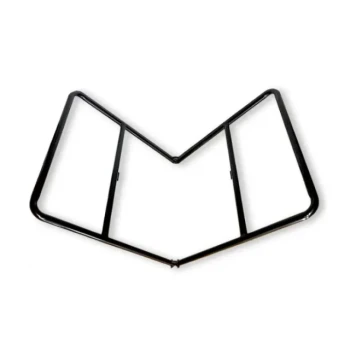
A frame rest mounted or attached to the hive body provides a temporary place for inspected frames. It frees internal workspace and reduces the likelihood of placing frames on the ground or leaning them where bees may be injured.
Frame rests are especially useful when one person is inspecting multiple frames or when the apiary handles numerous colonies in sequence.
Understand the Trade-offs
Maximum protection versus mobility
Full suits, gloves, and boots provide the strongest protection, but they can increase heat, limit dexterity, and cause fatigue. Jackets or lighter protective systems improve mobility but leave more of the body dependent on correct clothing combinations and secure closures.
The right choice depends on colony temperament, task intensity, operator experience, weather, and sting sensitivity. High-risk work should favor coverage over convenience.
Smoke control versus over-smoking
Too little smoke may not create enough working space, while too much or excessively hot smoke can agitate bees, contaminate the work environment, or harm the colony. The objective is small amounts of cool, controlled smoke, not continuous heavy application.
Operators should inspect the smoker before use, maintain a stable smolder, and keep the hot container away from dry vegetation and combustible materials. Fire-safety procedures and local regulations must also be followed.
Durability versus purchase cost
Low-cost protective wear or smokers may reduce initial spending but can fail through torn mesh, weak elastic, leaking bellows, or damaged closures. For distributors and commercial apiaries, total operating cost is better assessed through service life, repairability, replacement-part availability, and order consistency.
Standardized equipment across a team also simplifies training, replenishment, and field support.
Safety equipment versus handling technique
Protective equipment reduces sting exposure but does not replace safe hive-handling practices. Poorly secured clothing, abrupt movements, careless frame placement, or inappropriate smoke use can still create hazards.
Equipment should therefore be supplied alongside clear usage guidance, routine inspection, and replacement procedures for damaged PPE.
How to Apply This to Your Apiary or Product Portfolio
A practical procurement program should separate the minimum personal safety kit from tools that improve inspection speed and commercial productivity.
- If your primary focus is basic hive safety: Provide every operator with a secure veil or hood, protective clothing, gloves, boots, a functioning smoker, suitable fuel, and a hive tool.
- If your primary focus is high-risk colonies or intensive hive work: Standardize full ventilated suits with sealed closures, long-cuff gloves, protective boots, robust smokers, and frame lifters.
- If your primary focus is inspection efficiency: Add multiple hive tools, frame rests, frame grips, and washable bee brushes so workers can handle frames without unnecessary interruptions.
- If your primary focus is commercial distribution or resale: Build a one-stop assortment with replacement veils, gloves, bellows, smoker parts, and multiple size options to support rapid replenishment and reliable order fulfillment.
A well-matched combination of protective wear, controlled smoke, and durable hive tools makes hive management safer, more consistent, and easier to scale.
Summary Table:
| Category | Essential Item | Purpose | Key Features |
|---|---|---|---|
| Protective Clothing | Veil/Hood | Protects face, eyes, neck | Mesh, secure attachment, ventilation |
| Protective Clothing | Full Body Suit or Jacket | Protects torso and limbs | Bee-resistant, ventilated, secure closures |
| Protective Clothing | Gloves (Gauntlet Style) | Protects hands and wrists | Sting-resistant, dexterous |
| Protective Clothing | Boots | Protects feet and ankles | Sturdy, closed-toe, compatible with suit |
| Smoker | Bee Smoker with Bellows | Produces smoke to calm bees | Durable, corrosion-resistant, heat shield |
| Smoker | Fuel (e.g., pine needles) | Burns to generate smoke | Dry, untreated, natural material |
| Hive Tools | Hive Tool / Pry Bar | Break propolis seals, scrape wax | Heavy-duty metal, multiple uses |
| Hive Tools | Frame Lifter / Grip | Lift stuck frames safely | Ergonomic, reduces crushing |
| Hive Tools | Bee Brush | Gently remove bees from equipment | Soft bristles, washable |
| Hive Tools | Frame Rest | Hold frames during inspection | Attachable to hive, sturdy |
Upgrade your apiary with HONESTBEE's premium protective gear and hive tools. Our wholesale solutions ensure safety, efficiency, and reliability for commercial operations. Contact us today to secure your supply and keep your team protected.
Related Products
- Stainless Steel Bee Hive Smoker Beekeeping Smoker for Wholesale
- Stainless Steel Honey Bee Smoker Hive and Honeycomb Smoker for Beekeeping
- Electric Bee Smoker European Style Bee Hive Smoker for Beekeeping
- European Stainless Steel Bee Smoker for Honey Bee Hive
- Premium Traditional Copper Bee Smoker with Bellows
People Also Ask
- What preparation is required before opening a bee hive? Essential Checklist for Safe Hive Inspection
- What are bee smokers made out of? Choose the Right Material for Your Apiary
- What is the operational mechanism of a beehive smoker? Master Bee Calm and Safety During Harvesting
- What is the proper technique for smoking a hive? Master Calm, Effective Hive Inspections
- What is the proper method for using a beehive smoker? Master the Art of Calming Your Colony Safely