The water content in honey is primarily influenced by the botanical origin of the nectar, the maturity of the honey at the time of harvest, and the prevailing environmental conditions. Additionally, how the honey is handled and stored—specifically the exposure of uncapped frames to humidity before and after extraction—plays a critical role in final moisture levels.
Core Takeaway The water content of honey is the defining factor in its preservation and quality. While low water content ensures longevity, excessive moisture (often above 20%) creates a high risk of fermentation, rendering the product unsuitable for general sale.
The Role of Nature and Environment
Floral Origin
The starting point for all honey is nectar. The specific type of flower and the origin of that nectar dictate the baseline moisture levels. Different botanical sources yield nectars with varying natural water concentrations.
Climate and Weather
External weather patterns significantly impact the bees' ability to dehydrate nectar. High humidity levels or wet springs can impede the evaporation process within the hive. In humid geographical areas, it is physically more difficult for the colony to reduce water content to safe levels.
The Importance of Maturity
Hive Maturity
The "ripeness" of honey is determined by how long it remains in the hive. Bees actively work to evaporate moisture from nectar until it reaches a stable state.
Capped vs. Uncapped Cells
Honey located in capped cells is generally considered mature and stable. Conversely, uncapped honey frames often contain nectar that has not yet been fully dehydrated by the bees. Harvesting honey too early, before the bees have capped the cells, is a primary cause of high water content.
Storage and Handling Variables
Pre-Extraction Absorption
Honey is hygroscopic, meaning it naturally attracts and holds water molecules from the surrounding environment. If frames of uncapped honey are stored in a humid environment before extraction, they will rapidly absorb moisture from the air.
Extraction Risks
The extraction process itself introduces variables. Accidental introduction of water during processing can ruin a batch. Furthermore, incorrect storage of the final liquid product can allow moisture ingress if the containers are not perfectly sealed.
Understanding the Trade-offs
The Risk of Fermentation
The most significant downside of high water content is spoilage. When water levels exceed roughly 20%, yeasts naturally present in the honey become active. This leads to fermentation, which increases acidity and spoils the flavor, downgrading the product to "baker's honey."
Preservation vs. Texture
Achieving low water content is essential for preservation, but it comes with a minor trade-off. Honey with very low moisture levels tends to crystallize (granulate) more rapidly. However, unlike fermentation, crystallization is a texture change rather than spoilage and does not impact safety or nutritional value.
Making the Right Choice for Your Goal
Ideally, honey should be harvested and stored to maintain low moisture levels to ensure stability.
- If your primary focus is long-term preservation: Prioritize harvesting only fully capped frames to ensure the water content is low enough to prevent fermentation.
- If your primary focus is processing efficiency: Monitor humidity levels in your extraction room strictly, as uncapped frames left in damp air will degrade in quality before they are even spun.
Control the environment from the hive to the jar to guarantee a premium product.
Summary Table:
| Factor | Impact on Water Content | Management Strategy |
|---|---|---|
| Floral Origin | Determines baseline nectar moisture | Select appropriate apiary locations |
| Climate/Humidity | High humidity slows evaporation | Optimize hive ventilation and harvest timing |
| Cell Capping | Capped honey is mature/stable | Harvest only when cells are fully capped |
| Storage Environment | Honey absorbs moisture (hygroscopic) | Maintain low humidity in extraction and storage rooms |
| Fermentation Risk | High water content (>20%) leads to spoilage | Monitor moisture levels with a refractometer |
Maximize Your Yield Quality with HONESTBEE
At HONESTBEE, we understand that moisture control is the difference between premium honey and a spoiled batch. As a dedicated partner to commercial apiaries and global distributors, we provide the professional-grade tools you need to maintain peak quality.
Our comprehensive wholesale offering includes:
- Advanced Honey-Filling Machinery: Precision systems to seal in quality and prevent moisture ingress.
- Industrial Beekeeping Equipment: Specialized hardware designed for efficient, large-scale hive management.
- Complete Tool Range: From extraction essentials to consumables for every stage of production.
Whether you are scaling your operations or sourcing high-quality beekeeping supplies, our team is ready to support your growth. Contact us today to explore our wholesale solutions and see how HONESTBEE can streamline your honey production.
Related Products
- High Quality Honey Dehumidifier Dryer Thickening Machine for Beekeeping
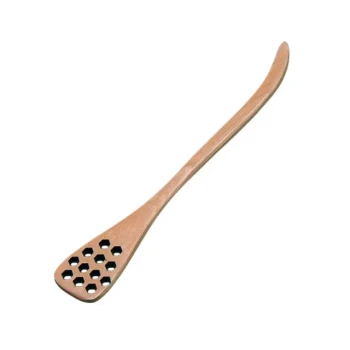
- Modern Honeycomb Pattern Wooden Honey Dipper for Stirring and Drizzling
- Economy Small Scale Honey Dryer Dehumidifier Thickening Machine
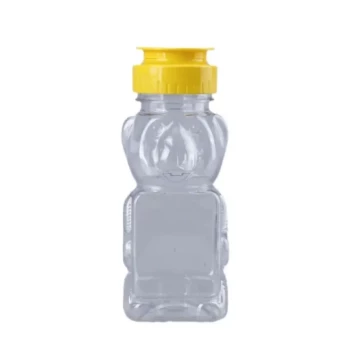
- Classic Honey Bear Jars with Flip Top Dispensing Cap for Liquid Sweeteners
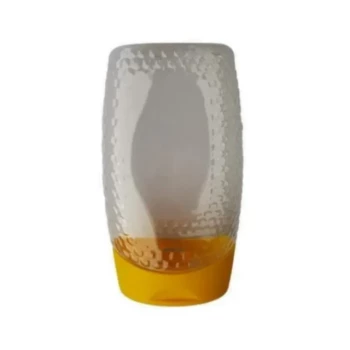
- Inverted Squeezable Honey Jar with No Drip Flip Top Cap for Easy Pouring
People Also Ask
- Can you dehumidify honey? A Beekeeper's Guide to Preventing Fermentation
- How to dry up honey? The Safe Guide to Stabilizing Honey and Preventing Fermentation
- How can the moisture content of honey be reduced? A Guide to Safe, Effective Drying Methods
- How to remove humidity from honey? Protect Your Harvest from Fermentation
- What is the process for using a dehumidifier to lower honey's moisture content? Expert Drying Techniques