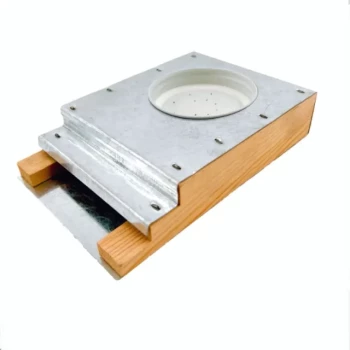
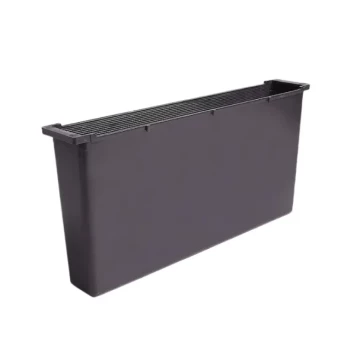
Choosing the correct bee feeder is a critical decision that impacts both colony survival and your operational efficiency. To make an informed choice, you must evaluate the compatibility with your specific hive type, the demands of your geographical location, and the current availability of natural forage, while prioritizing equipment that offers durability, ease of installation, and clear visibility for monitoring.
Core Insight The effectiveness of a feeder is defined by how well it integrates with your specific environment and management style. A superior feeder minimizes disturbance to the colony while maximizing your ability to monitor consumption and maintain hive health.
Assessing Compatibility and Environment
Matching Hive Configuration
The most immediate constraint is physical compatibility. You must select a feeder designed to fit your specific equipment, whether you are using Langstroth, Flow, Top Bar, or Horizontal hives. A feeder that does not fit flush can lead to gaps, inviting robber bees or pests.
The Role of Geographical Location
Your local climate dictates the feeding strategy. As noted in apiary site selection, regions with long, cold winters require different preparation than warmer zones. Your feeder choice must account for temperature; in freezing conditions, external feeders may freeze, whereas internal options benefit from the cluster's heat.
Adapting to Natural Food Availability
Feeder selection should fluctuate based on the local flow of nectar and pollen. During a dearth (a shortage of natural food), you may need a high-capacity feeder to sustain the colony. Conversely, when natural sources are abundant, smaller, stimulative feeders may be sufficient.
Operational Efficiency and Design
Ease of Installation
For both commercial and hobbyist apiaries, labor is a resource. Choose equipment that allows for rapid installation and removal. Complicated setups increase the time the hive is open, which disrupts the bees and alters the internal temperature.
Monitoring Capabilities
The ability to check feed levels without fully opening the hive is a significant advantage. Look for feeders with transparent components or external indicators. This feature allows you to gauge consumption rates instantly, reducing unnecessary stress on the colony.
Equipment Durability
Beekeeping gear faces harsh elements, from intense sun to freezing rain. Prioritize materials that resist cracking and warping. Durability ensures a better return on investment and prevents equipment failure that could lead to leaks or drowning bees.
Understanding the Trade-offs
Pest Risks and Dampness
A poorly chosen or damaged feeder can leak, contributing to damp conditions inside the hive. As indicated by site selection principles, dampness promotes pests like small hive beetles. Ensure your feeder design minimizes the risk of syrup dripping into the brood area.
Climate vs. Capacity
There is often a trade-off between volume and protection. Large bulk feeders reduce the frequency of refilling—essential for the long winters mentioned in climate management—but they can be harder to insulate. You must balance the need for volume against the risk of the syrup cooling the hive core.
Making the Right Choice for Your Goal
- If your primary focus is Operational Efficiency: Prioritize feeders with high transparency and external access to minimize the time spent opening hives for checks.
- If your primary focus is Colony Survival in Extreme Climates: Select durable, internal feeders that utilize the colony's warmth and offer sufficient capacity to supplement natural stores during long winters.
- If your primary focus is Pest Management: Avoid complex feeders prone to leaking and ensure the device fits tightly to prevent dampness that attracts beetles.
Ultimately, the right feeder acts as an extension of the hive itself, seamlessly supporting the colony when nature cannot.
Summary Table:
| Factor | Key Considerations | Benefit |
|---|---|---|
| Hive Type | Compatibility with Langstroth, Flow, Top Bar, etc. | Prevents gaps, robbing, and pest entry. |
| Climate | Local temperatures and winter duration. | Prevents syrup freezing and maintains hive warmth. |
| Capacity | Large bulk vs. small stimulative feeders. | Balances labor efficiency with colony needs. |
| Design | Transparency and ease of installation. | Allows quick monitoring without hive disturbance. |
| Durability | High-quality materials resistant to UV/Cold. | Long-term ROI and prevention of leaks/drowning. |
Scale Your Apiary Operations with HONESTBEE
Maximize your colony productivity and operational efficiency with professional-grade equipment from HONESTBEE. As a premier partner for commercial apiaries and distributors, we provide more than just tools—we deliver a comprehensive wholesale solution tailored to your growth.
Why Partner with HONESTBEE?
- Full Spectrum Supply: From specialized hive-making and honey-filling machinery to essential consumables and beekeeping tools.
- Built for Durability: Our equipment is designed to withstand harsh environments, ensuring long-term reliability for large-scale operations.
- Commercial Expertise: We cater to the specific demands of wholesale buyers with competitive pricing and high-volume availability.
- Cultural Merchandise: Enhance your brand with our unique range of honey-themed cultural merchandise.
Ready to upgrade your equipment or expand your distribution inventory? Contact us today to discuss your wholesale needs and see how HONESTBEE can support your success.
Related Products
- Rapid Bee Feeder White Plastic 2L Round Top Feeder for 8 or 10-Frame Bee Hives
- HONESTBEE Entrance Bee Feeder Professional Hive Nutrition Solution for Beekeeping
- White Plastic 0.5L Beekeeping Entrance Feeder for Bees
- HONESTBEE Entrance Bee Feeder Efficient Hive Front Liquid Feeding Solution for Beekeeping
- HONESTBEE Professional Entrance Bee Feeder Hive Nutrition Solution
People Also Ask
- What should be done with feeders and equipment after feeding bees? Essential Steps for Apiary Health
- What should be done if feed in a feeder is not consumed by the bees? Prevent Hive Mold with Prompt Feed Management
- What is the necessity of specialized internal or entrance feeders? Secure Your Hive with Professional Feeding Tools
- How do bee feeders work to preserve colony health during nectar shortages? Essential Guide for Beekeepers
- How quickly does a medium to strong colony usually empty a feeder? A Beekeeper's Guide to Hive Health