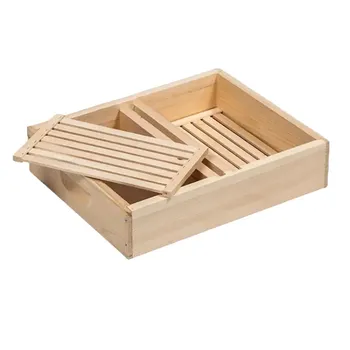
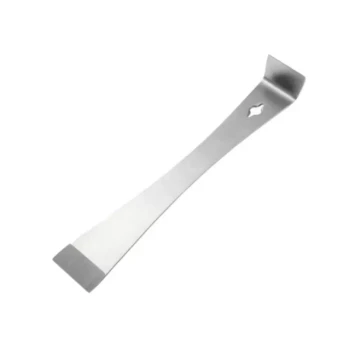
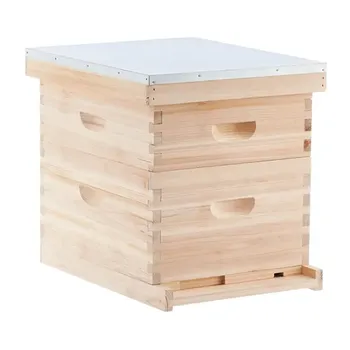
Maintain colony strength during floral shortages by combining measured sugar syrup with a protein-rich pollen substitute and delivering both through hygienic, purpose-built hive feeders. During winter, rainy weather, or gaps between major blooms, this supplemental nutrition helps preserve worker vitality, support the queen’s egg-laying capacity, and sustain brood rearing. For commercial apiaries, frame feeders, top feeders, syrup feeders, and suitable pollen-supplement delivery systems provide more consistent and efficient feeding than improvised equipment.
The objective is not simply to add feed, but to bridge the colony through a resource shortage without creating waste, contamination, or unnecessary brood stimulation. Match the feed type and quantity to the colony’s nutritional need, weather conditions, and available stores.
Why Supplementary Feeding Matters
Protecting Colonies During Forage Dearths
Cold winters, rainy periods, and intervals between flowering cycles can sharply reduce access to nectar and pollen. Without adequate reserves, colonies may lose population strength, reduce brood production, or face starvation and migration pressures.
Supplementary feeding acts as a nutritional buffer until natural forage becomes available again. This is particularly important for urban colonies and apiaries operating in areas with unstable or highly seasonal forage.
Supporting Brood Rearing and Queen Performance
Sugar syrup supplies energy, while pollen substitutes provide protein and other nutrients needed for colony maintenance. Together, they help sustain worker activity and support the queen’s ability to continue laying eggs when natural pollen and nectar are limited.
Maintaining brood-rearing continuity helps ensure that the colony enters the next major nectar flow with a sufficiently large and active workforce.
Building the Next Production Population
A colony weakened during an off-season shortage may not recover quickly enough to take advantage of the following honey flow. Timely nutritional support helps preserve the labor force needed for foraging and honey production later in the season.
Late-season feeding can also support the development of winter bees when natural resources are inadequate.
Selecting the Right Supplemental Feed
Sugar Syrup for Energy
Sugar syrup is primarily an energy supplement used when nectar is unavailable or honey stores are insufficient. The primary recommendation is to provide it in measured, low-dose feedings that meet the colony’s immediate needs without excessive accumulation or waste.
If stores are inadequate in late August or early September, a 2:1 sugar-to-water syrup can be used to help replenish reserves. The appropriate feeding strength and volume should be adjusted for the season, local weather, colony size, and existing stores.
Pollen Substitutes for Protein
A pollen substitute helps compensate for the lack of natural pollen and supports brood production and worker vitality. The primary reference recommends approximately 30 grams per colony as a nutritional supplement.
Commercial formulations may use high-protein ingredients such as barley flour, pea flour, or faba bean flour. The product should be suitable for honeybees, stored correctly, and protected from moisture and contamination.
Combining Energy and Protein Support
Sugar syrup and pollen substitutes address different nutritional requirements. Syrup supports immediate energy needs, while protein supplementation helps maintain brood-rearing capacity and colony development.
Using both is most relevant when colonies face an extended dearth and have limited access to either nectar or pollen. Feeding should still be based on inspection rather than applied automatically to every colony.
Choosing Effective Feeding Equipment
Frame Feeders
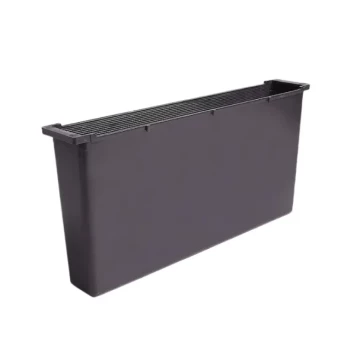
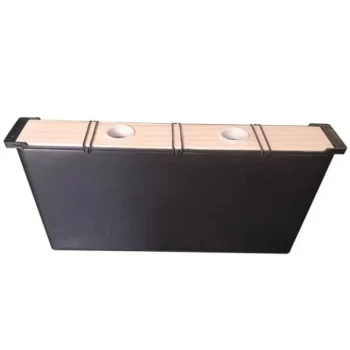
Frame feeders fit inside the hive in place of a frame and allow syrup to be delivered close to the colony cluster. They are practical for routine apiary management and can be useful when weather makes external feeding unreliable.
Their design should allow bees to access the syrup without excessive drowning risk. Regular inspection and cleaning are necessary to maintain hygienic operation.
Top Feeders
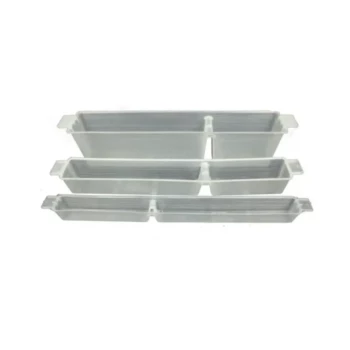
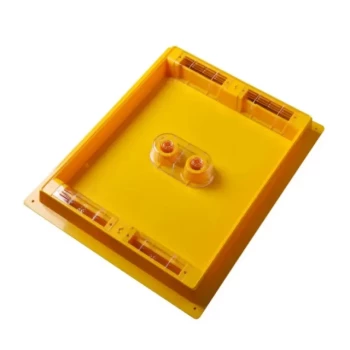
Top feeders are installed above the brood chamber and can often be replenished without fully disturbing the colony. This makes them useful for commercial operations that need efficient access and consistent feeding across many hives.
A well-designed top feeder should limit exposure to rain, pests, and robbing pressure while providing stable access for the bees.
Syrup Feeders
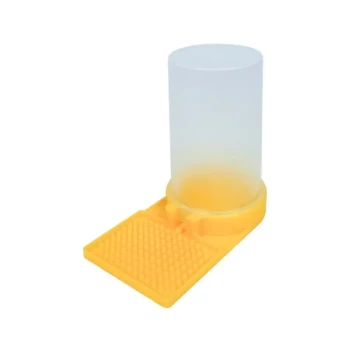
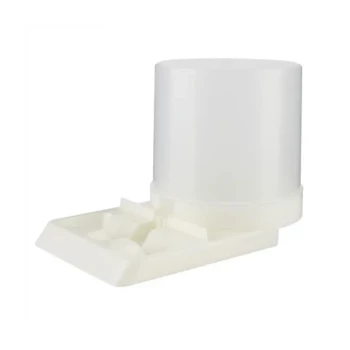
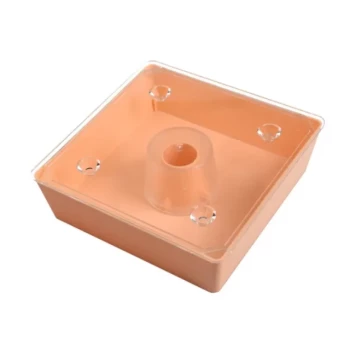
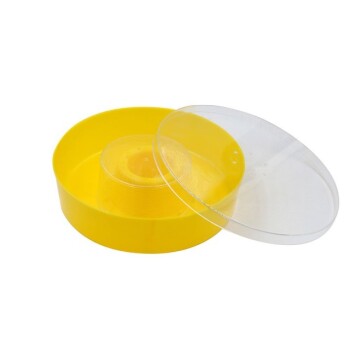
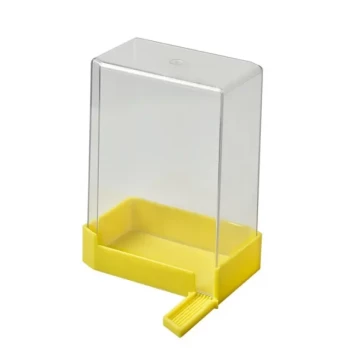
Dedicated syrup feeders provide a controlled method for delivering sugar water during periods of low nectar availability or extreme weather. Their value is greatest when they are easy to fill, clean, inspect, and standardize across an apiary.
For distributors and commercial beekeepers, compatibility with common hive formats and reliable replacement-part availability are important procurement considerations.
Pollen-Supplement Delivery Systems
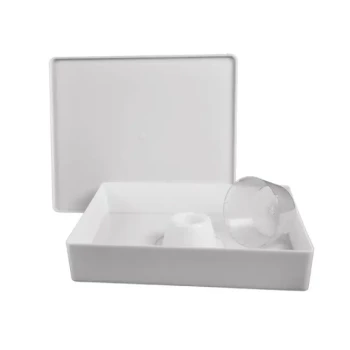
Protein supplements may be provided through dedicated trays, patties, or other hive-compatible systems designed to keep the material accessible and relatively dry. The delivery method should prevent unnecessary exposure to moisture and reduce contamination between colonies.
A complete feeding program therefore includes both liquid-feeding equipment and an appropriate system for placing solid or semi-solid protein supplements.
Managing Feeding Operations Efficiently
Inspect Stores Before Feeding
Feeding decisions should begin with an assessment of honey stores, colony population, brood condition, and weather. A colony with adequate reserves may need little or no supplemental feed, while a smaller or actively brooding colony may require closer monitoring.
This inspection-based approach reduces unnecessary product use and helps identify colonies that need targeted intervention.
Use Small, Controlled Feedings
The primary reference recommends low-dose syrup feeding during cold or rainy shortages. Controlled portions can help maintain continuity of nutrition while reducing spillage, fermentation, and avoidable waste.
Commercial apiaries benefit from standardized feeder capacities, clear replenishment schedules, and records showing which colonies received feed and when.
Maintain Hygienic Delivery
Feeders should be cleaned and inspected regularly. Any spilled, fermented, moldy, or contaminated feed should be removed promptly, and feed should be protected from rain and excessive exposure.
Hygienic handling is especially important when feeding protein supplements, which can deteriorate when exposed to moisture.
Reduce Disruption During Poor Weather
During cold conditions, feeding equipment should allow bees to access nutrition without prolonged hive opening or unnecessary disturbance. Top feeders and other systems that can be serviced efficiently are useful where maintaining cluster stability is a priority.
Equipment selection should reflect the apiary’s climate, hive design, labor capacity, and operating scale.
Understanding the Trade-offs
Feeding Is Not a Substitute for Forage
Supplemental feed can bridge a shortage, but it does not fully replicate a diverse supply of natural nectar and pollen. Where practical, planting complementary flowering plants can provide a biological reserve during gaps between major blooms.
This reduces reliance on purchased feed and supports a more resilient apiary environment.
Excessive Feeding Can Create Management Problems
Feeding more than the colony requires can lead to storage congestion, unnecessary labor, and poor inventory efficiency. Syrup can also encourage unwanted activity when weather conditions are unsuitable or when colonies are not monitored carefully.
The practical solution is to link feed quantity and frequency to inspections, stores, brood status, and the expected duration of the dearth.
Equipment Quality Affects Results
Improvised or poorly sealed feeders can cause leakage, contamination, drowning hazards, and feed loss. These problems become more costly at commercial scale because they increase labor requirements and create inconsistent results between colonies.
Professional equipment should therefore be evaluated for bee access, leak resistance, cleaning requirements, hive compatibility, and delivery reliability.
Product Sourcing Must Support Continuity
A feeding program can fail if syrup feeders, pollen supplements, or replacement components are unavailable when weather conditions change. Distributors and wholesalers should maintain a full-spectrum portfolio that covers consumables, feeder types, and routine service needs.
Rapid response, accurate order fulfillment, and dependable delivery are operational advantages during time-sensitive forage shortages.
Making the Right Choice for Your Goal
The most effective program combines appropriate nutrition with equipment that is easy to inspect, clean, replenish, and standardize.
- If your primary focus is colony survival: Inspect stores regularly and provide controlled sugar syrup and suitable protein supplementation before nutritional stress becomes severe.
- If your primary focus is spring or next-season production: Use supplemental feeding to preserve brood-rearing continuity and build a strong worker population before the main nectar flow.
- If your primary focus is commercial apiary efficiency: Standardize frame feeders, top feeders, syrup feeders, and pollen-delivery systems across compatible hives to simplify labor and replenishment.
- If your primary focus is distribution or resale: Offer a complete feeding portfolio with reliable stock, professional product guidance, rapid response, and fast fulfillment during seasonal demand peaks.
A measured feeding program supported by hygienic, professional equipment gives colonies the nutritional bridge they need to remain productive through floral shortages.
Summary Table:
| Aspect | Recommendation | Key Considerations |
|---|---|---|
| Energy Supplement | Sugar syrup (2:1 sugar-to-water) in measured doses | Match to colony needs; avoid excess |
| Protein Supplement | Pollen substitute (~30 g per colony) | Use high-protein flour blends; protect from moisture |
| Feeding Equipment | Frame, top, and syrup feeders; pollen patty trays | Ensure bee access, hygiene, and leak resistance |
| Feeding Management | Inspect stores before feeding; use small, controlled feeds | Reduce waste and fermentation; maintain cleanliness |
| Operational Strategy | Standardize equipment; monitor weather and brood status | Link feed to inspections and dearth duration |
Elevate your apiary's resilience with HONESTBEE's complete range of feeding solutions—from frame and top feeders to pollen substitutes—designed for commercial beekeepers and distributors. Our wholesale portfolio ensures reliable supply, speedy delivery, and expert support to keep your colonies strong through every season. Contact our team today to discuss your needs and secure your supply chain.
Related Products
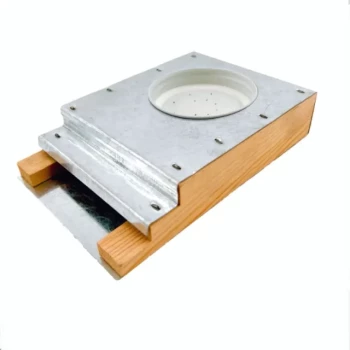
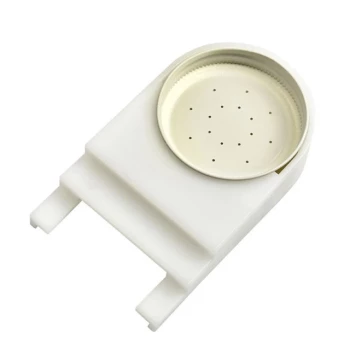
- HONESTBEE Entrance Bee Feeder Efficient Hive Front Liquid Feeding Solution for Beekeeping
- Professional In-Hive Bee Feeder HONESTBEE Frame for Beekeeping
- HONESTBEE Professional Hive Top Bee Feeder Feeding Solution
- HONESTBEE Professional Entrance Bee Feeder Hive Nutrition Solution
- HONESTBEE Entrance Bee Feeder Professional Hive Nutrition Solution for Beekeeping
People Also Ask
- What types of bee feeders are available for beginners? Start with the Simple Entrance Feeder
- What are the advantages and disadvantages of using an entrance feeder for bees? Balance Convenience and Hive Security.
- What is a bee entrance feeder and what are its drawbacks? Essential Guide to Hive Security and Feeding Efficiency
- How does a bee entrance feeder work? A Simple Guide to Convenient Hive Feeding
- How to make an entrance feeder for bees? A DIY Guide for Safe & Effective Feeding