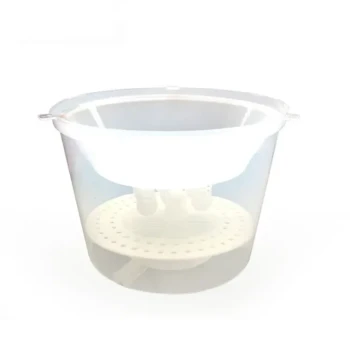
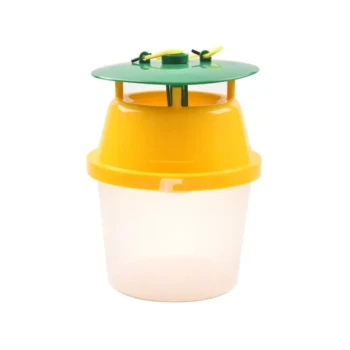
Specialized oil-filled traps function as a primary mechanical defense and diagnostic tool within the hive environment. These devices are placed strategically between hive frames or on bottom boards to lure adult Small Hive Beetles into a reservoir of food-grade oil or vinegar, where they are drowned, thereby reducing the pest population and providing critical data on infestation density without the use of veterinary drugs.
Core Insight: The true value of oil-filled traps lies in their ability to exploit the pest’s natural survival instincts against it. By simulating the dark, tight crevices beetles seek for safety, these traps convert a defensive behavior into a mechanism for elimination and monitoring.
The Mechanics of Capture and Control
Exploiting Defensive Instincts
Small Hive Beetles (Aethina tumida) naturally seek out dark crevices to hide from aggressive honeybee attacks. Oil-filled traps are mechanically designed to simulate these specific refuge spaces.
Selective Entry
These hardware devices feature precise entrance gaps. These openings are large enough to allow beetles to enter the "safe harbor" but small enough to exclude honeybees, ensuring the colony's workforce remains safe from the trap's contents.
The Kill Mechanism
Once inside, the beetle encounters a reservoir of high-viscosity mineral or vegetable oil. This medium acts as a physical consumable that coats the beetle's spiracles, leading to death by suffocation. The oil's surface tension also prevents the pest from climbing back out, effectively immobilizing it.
Strategic Functions in Apiary Management
Chemical-Free Population Reduction
A primary function of these traps is the continuous reduction of adult beetles. By physically removing adults from the ecosystem, beekeepers can manage pest pressure without introducing veterinary drugs or chemical agents that could contaminate honey or wax.
Monitoring Infestation Density
Beyond extermination, these traps serve as critical diagnostic tools. They allow technical personnel to monitor population density accurately. By observing the number of beetles captured, apiarists can confirm the presence of beetles and gauge the severity of an outbreak.
Early Detection
Daily management relies on early identification of threats. When used alongside standard tools like hive tools and smokers, these traps assist in detecting beetles at the initial stage of an outbreak, allowing for timely isolation or further treatment measures.
Understanding the Operational Trade-offs
Maintenance Dependencies
Unlike passive "set and forget" solutions, oil traps require active management. The oil is a consumable that must be monitored; if the reservoir fills with debris or dead beetles, or if the oil level drops, the trap loses efficacy.
Targeting Limitations
These traps are specifically engineered to target adult beetles actively moving within the hive. While they are highly effective at intercepting adults seeking harborage, they rely on the beetle's movement and are not designed to hunt down stationary larvae or eggs elsewhere in the colony.
Making the Right Choice for Your Goal
When integrating oil-filled traps into your apiary management plan, consider your specific objectives:
- If your primary focus is Organic Management: These traps provide a mechanical, chemical-free method to reduce beetle populations without risking residue in your hive products.
- If your primary focus is Infestation Analysis: Use these devices as quantitative tools to track beetle density trends, helping you decide when to escalate to more aggressive interventions.
By turning the beetle's instinct for concealment into a vulnerability, oil-filled traps provide a safe, scalable method for maintaining colony health.
Summary Table:
| Feature | Function & Impact |
|---|---|
| Primary Role | Mechanical defense and diagnostic tool for pest monitoring |
| Mechanism | Exploits beetle hiding instincts; uses oil to suffocate pests |
| Safety Design | Selective entry gaps exclude bees while trapping beetles |
| Chemical Profile | 100% chemical-free; safe for organic honey production |
| Target Stage | Highly effective against adult Aethina tumida |
| Key Benefit | Early detection and continuous population reduction |
Elevate Your Apiary Management with HONESTBEE
Protect your colonies and maximize productivity with professional-grade beekeeping solutions. At HONESTBEE, we specialize in supporting commercial apiaries and distributors with a comprehensive wholesale portfolio.
Whether you need precision-engineered beekeeping tools, high-capacity honey-filling machines, or essential industry consumables, our equipment is designed for durability and efficiency. We help you scale your operations—from hive-making hardware to honey-themed cultural merchandise.
Ready to upgrade your apiary’s defense and efficiency?
Contact HONESTBEE today to discuss our wholesale offerings and how we can support your business growth.
References
- . Panel On Animal Health And Welfare. Survival, spread and establishment of the small hive beetle (Aethina tumida). DOI: 10.2903/j.efsa.2015.4328
This article is also based on technical information from HonestBee Knowledge Base .
Related Products
- Removable Washable Hive Beetle Trap Attractants for Small Hive Beetles
- Reusable Clear Small Hive Beetle Traps for Beehives Beetle Trapping Tools
- Reusable Aluminium Beetle Trap for Small Hive Beetles Silver Bullet
- Black Plastic Beetle Barn Hive Beetle Trap for Beehives
- Plastic Beetle Blaster Trap Beekeeping Tools and Supplies
People Also Ask
- How should powdered substances be used in beetle traps for hive beetle control? Expert Guide for Maximum Colony Protection
- What are the three main types of hive beetle traps? Expert Solutions for Protecting Your Bee Colonies
- What are the types of hive beetle traps available? Master Your Beetle Control Strategy
- What are the main types of hive beetle traps available? A Beekeeper's Guide to Effective Control
- What are the available chemical-free options for trapping hive beetles? Safe and Effective Pest Management Solutions