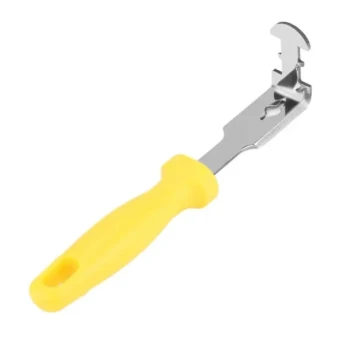
Specialized pest monitoring and diagnostic tools serve as the colony's early warning system, enabling the precise detection and quantification of lethal pathogens such as Varroa mites and Nosema apis. By shifting beekeeping from reactive observation to data-driven management, these tools allow for targeted interventions that suppress infestations before they reach the critical thresholds that trigger irreversible colony collapse.
By enabling a quantitative assessment of hive health, these tools empower beekeepers to disrupt the cycle of disease before it destabilizes the colony’s workforce. This specific data prevents the accelerated loss of foraging bees, which is a primary mechanical driver of colony collapse.
The Mechanics of Detection and Intervention
Quantitative Health Assessment
General observation is often insufficient for detecting microscopic threats or early-stage infestations. Specialized diagnostic tools provide the technical capability to measure exact parasite loads and pathogen prevalence.
This moves the beekeeper away from guessing and toward a quantitative assessment of honeybee health. Knowing the precise level of infection allows for decisions based on data rather than intuition.
Precision in Treatment Application
Once a threat is identified, professional-grade applicators and control consumables ensure that treatments are effective.
High-quality tools are designed to distribute chemical or biological treatments evenly throughout the hive structure. This maximizes the impact on the pest while minimizing secondary harm or stress to the bees themselves.
Timing the Intervention
The primary function of these tools is to facilitate intervention before a major outbreak occurs.
By catching rising pathogen levels early, beekeepers can implement control measures when they are most effective and least invasive. This proactive approach significantly reduces colony mortality rates compared to treating a fully established infestation.
Preventing the Demographic Collapse Loop
Managing Parasite Loads
Varroa destructor mites are a primary external stressor that drastically increases the mortality rate of adult foraging bees.
Utilizing monitoring tools to keep these parasite loads below critical thresholds is essential. If mite populations grow unchecked, the colony suffers a rapid depletion of its older workforce.
Protecting the Hive's Age Structure
The most critical function of these tools is preventing the feedback loop of colony collapse.
When foragers die too quickly due to pests, young hive bees are forced to transition into foragers prematurely to fill the gap. These young bees are not physiologically ready for foraging and die quickly, accelerating the cycle. By controlling pests precisely, these tools preserve the natural maturation process of the workforce.
Understanding the Trade-offs
Equipment vs. Execution
While professional tools provide the capability for precise management, they do not guarantee success on their own.
The effectiveness of diagnostic tools relies entirely on the beekeeper's ability to interpret the data correctly. Misinterpreting a "low" mite count as "zero risk" can still lead to complacency and eventual collapse.
Specificity Limitations
Tools are often specialized for specific threats, such as Varroa or Nosema.
Relying heavily on a tool designed for one pathogen may lead to a "tunnel vision" effect, where other biological threats or environmental stressors are overlooked because the diagnostic tool does not detect them.
Making the Right Choice for Your Goal
To effectively utilize these tools for colony preservation, align your equipment choice with your management strategy:
- If your primary focus is Early Detection: Prioritize diagnostic tools that offer quantitative metrics for Varroa and Nosema, allowing you to identify thresholds before they become critical.
- If your primary focus is Treatment Efficacy: Invest in professional-grade applicators that ensure even distribution of acaricides to minimize secondary harm to the bees.
- If your primary focus is Long-term Sustainability: Use monitoring data to maintain parasite loads low enough to prevent the premature transition of young bees into foragers.
Success lies in using these tools not just to treat sickness, but to maintain the precise demographic balance required for a thriving colony.
Summary Table:
| Tool Category | Primary Function | Key Benefit for Colony Health |
|---|---|---|
| Diagnostic Tools | Quantitative assessment of Varroa & Nosema | Early detection of pathogens before critical thresholds are hit. |
| Precision Applicators | Even distribution of chemical/biological treatments | Maximizes pest impact while minimizing secondary stress on bees. |
| Monitoring Systems | Tracking parasite load and population trends | Prevents premature foraging transitions by maintaining age structure. |
| Management Software | Data-driven decision making | Replaces reactive observation with proactive, targeted interventions. |
Secure Your Apiary’s Future with HONESTBEE
Protecting your colonies from collapse requires more than just observation—it demands professional-grade precision. HONESTBEE specializes in supporting commercial apiaries and distributors with a comprehensive wholesale range of beekeeping tools and machinery.
From advanced diagnostic hardware to honey-filling machines and high-quality industry consumables, our portfolio is designed to enhance your operational efficiency and hive survival rates. Partner with us to access the specialized equipment you need to maintain a thriving, sustainable workforce.
Contact HONESTBEE Today to Explore Our Wholesale Solutions
References
- Shairra SA. The Rapid Disappearance of the National Bee in Egypt is a Phenomenon Whose Causes Could be Solved. DOI: 10.23880/izab-16000331
This article is also based on technical information from HonestBee Knowledge Base .
Related Products
- HONESTBEE Professional Telescopic Pole Bee Swarm Catcher
- HONESTBEE Collapsible Tiered Bee Swarm Catcher for Beekeeping
- Professional Stainless Steel Pry-Bar Hive Tool
- Professional Queen Catcher and Introduction Queen Cage
- Classic Wooden Bee Brush with Double-Row Boar Bristles
People Also Ask
- What should be done if the swarm is situated on the bottom of a tree limb? A Guide to Methodical Bee Capture
- What role do swarm catchers play in maintaining the production scale of an apiary? Turn Colony Loss into Growth.
- What information should be gathered before attempting to catch a swarm of bees? A Safe and Successful Guide
- What precautions can be taken to prevent a newly captured swarm from absconding? Secure Your Swarm with Proven Methods
- What role does a Swarm Catcher play in the process of expanding apiary colony scale? Optimize Growth & Reduce Costs