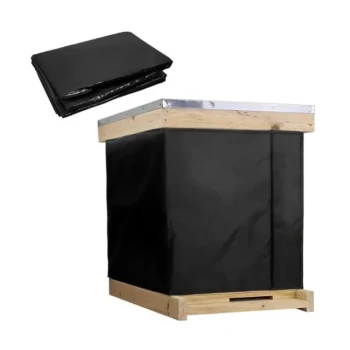
Cork Oak bark functions as a highly effective, dual-purpose shield for beehives by leveraging its unique "dense yet porous" physical structure. It serves as a comprehensive top cover that simultaneously provides robust waterproofing and thermal insulation while actively managing internal airflow to prevent moisture buildup and pests.
The core advantage of Cork Oak bark is its ability to balance protection with breathability. It creates a regulated microclimate that prevents the moisture accumulation responsible for honey spoilage, all while physically barring rain and insects from entering the hive.
The Mechanics of Microclimate Regulation
Structural Integrity and Waterproofing
The primary function of the bark is to act as a physical barrier against the elements. Its dense structure creates an effective shield that prevents rainwater from penetrating the hive.
This ensures the internal environment remains dry even during precipitation. By maintaining a waterproof seal, the bark protects the structural integrity of the hive and the health of the colony.
Thermal Insulation
Beyond simple rain protection, Cork Oak bark serves as a natural insulator. The material's inherent properties allow it to buffer the hive against temperature fluctuations.
This thermal regulation helps maintain a stable internal temperature. It reduces the energy burden on the bees, who otherwise must consume resources to heat or cool the hive actively.
Ventilation and Dehumidification
Perhaps its most critical physiological function is its ability to "breathe" due to its porous nature. Unlike synthetic impermeable covers, the bark facilitates passive ventilation.
This porosity allows excess moisture generated by the bees to escape. Effective dehumidification is vital because it directly lowers the risk of honey spoilage, which is often caused by trapped humidity fostering fermentation or mold.
Pest Deterrence
The bark acts as a formidable security layer for the colony. It creates a physical barrier that helps prevent insect infestations.
By sealing the top of the hive effectively, it stops opportunistic pests from breaching the colony's defenses, ensuring the bees can focus on production rather than defense.
The Critical Balance of Properties
Relying on Dual Characteristics
The effectiveness of Cork Oak bark relies entirely on the coexistence of two opposing traits: density and porosity.
If the material were only dense, it would trap moisture like plastic, leading to condensation and spoilage. If it were only porous, it would fail to stop rain or insulate the colony. The material's success is defined by this specific structural equilibrium.
Making the Right Choice for Your Goal
When selecting hive cover materials, understanding these functional properties allows you to align them with your specific management objectives.
- If your primary focus is Honey Quality: Rely on the bark's dehumidification properties to prevent moisture-related spoilage.
- If your primary focus is Colony Survival: Utilize the bark's thermal insulation to reduce stress on the bees during extreme weather.
- If your primary focus is Pest Management: leverage the material's density to maintain a secure, sealed perimeter against invasive insects.
Cork Oak bark offers a passive, self-regulating system that secures the hive's health through natural structural engineering.
Summary Table:
| Functional Property | Mechanism | Primary Benefit |
|---|---|---|
| Waterproofing | Dense physical structure | Prevents rain penetration and structural decay |
| Thermal Insulation | Natural buffering material | Stabilizes hive temperature; reduces bee energy expenditure |
| Dehumidification | Porous "breathable" nature | Allows moisture to escape; prevents honey spoilage and mold |
| Pest Deterrence | Secure physical barrier | Blocks insect infestations and maintains colony security |
Elevate Your Beekeeping Standards with HONESTBEE
Are you looking to optimize hive health and improve honey quality? HONESTBEE specializes in supporting commercial apiaries and distributors with high-performance beekeeping solutions. From specialized hardware like hive-making and honey-filling machines to premium consumables and protective materials, we provide everything you need to scale your operations.
Partner with us for:
- Comprehensive Wholesale Range: Full spectrum of beekeeping tools and industry-standard consumables.
- Expert Machinery: Professional-grade equipment designed for efficiency and durability.
- Global Distribution Support: Tailored offerings for large-scale apiaries and equipment retailers.
Contact HONESTBEE today to discover how our comprehensive wholesale offerings can enhance your productivity and secure your colony's success!
References
- Mi Sun Park, Yeo‐Chang Youn. Traditional knowledge of Korean native beekeeping and sustainable forest management. DOI: 10.1016/j.forpol.2011.12.003
This article is also based on technical information from HonestBee Knowledge Base .
Related Products
- Telescopic Beehive Outer Cover Lid Roof with Galvanised Sheeting for Langstroth Hive and Beehive Outer Cover
- Inner Beehive Cover for Beekeeping Bee Hive Inner Cover
- Long Langstroth Style Horizontal Top Bar Hive for Wholesale
- Professional Insulated Winter Hive Wrap for Beekeeping
- Top Bar Beehive for Beekeeping Wholesales Kenya Top Bar Hive
People Also Ask
- What is a telescoping outer cover and what are its advantages? Maximize Hive Protection in Harsh Climates
- What is the function of an outer telescoping cover on a beehive? Ultimate Weather Protection for Your Colony
- What is the purpose of the outer telescoping cover in a beehive? The Key to Weatherproofing Your Hive
- What are the benefits of the telescoping outer cover? Essential Protection for Hive Health & Longevity
- How should a telescoping outer cover be removed? Expert Techniques for Smooth Beekeeping Operations